Can Frying Pan Go In Oven: Safety Guide & Pan Types
Yes, many frying pans can go in the oven, but not all are safe.
If you have ever wondered can frying pan go in oven, you are not alone. I test pans daily in real kitchens and in studio shoots, and I know what fails under heat. This guide breaks down how to tell if a frying pan can go in the oven, what temperatures are safe, and how to avoid damage. Stick with me for clear tips, real examples, and expert-backed advice to help you cook smarter and safer.

What determines if a frying pan can go in the oven
Whether can frying pan go in oven comes down to three things: material, handle, and lid. The pan body might be oven-safe, but the handle or lid knob may not be. You also need to match the pan’s rating to the oven temperature, including broiler use.
Key factors that decide oven safety:
- Pan material and its heat tolerance
- Handle material and how it is attached
- Lid material, especially knobs and seals
- Manufacturer’s stated oven-safe temperature
From years of use and testing, the biggest mistake I see is assuming a “metal-looking” handle means safe at any heat. It often is not.

Oven-safe materials: a complete guide
Materials set the baseline for can frying pan go in oven and how hot it can go.
Cast iron
- Safe at high temperatures and broilers.
- Great for searing steak and finishing in the oven.
- Heats slow but stays hot and even.
Enameled cast iron
- Usually safe to 500°F, but check specifics.
- Do not shock with cold water when hot.
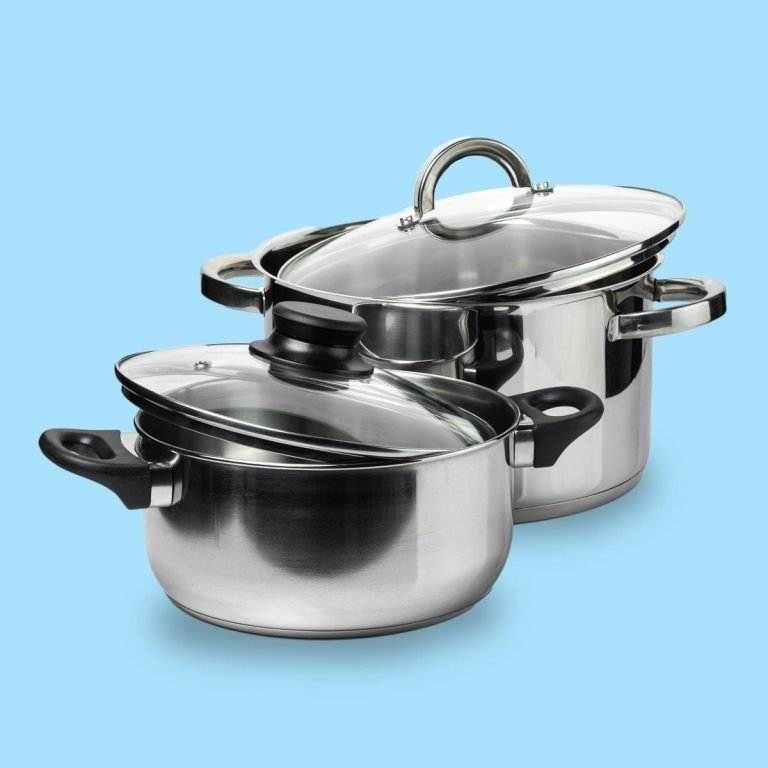
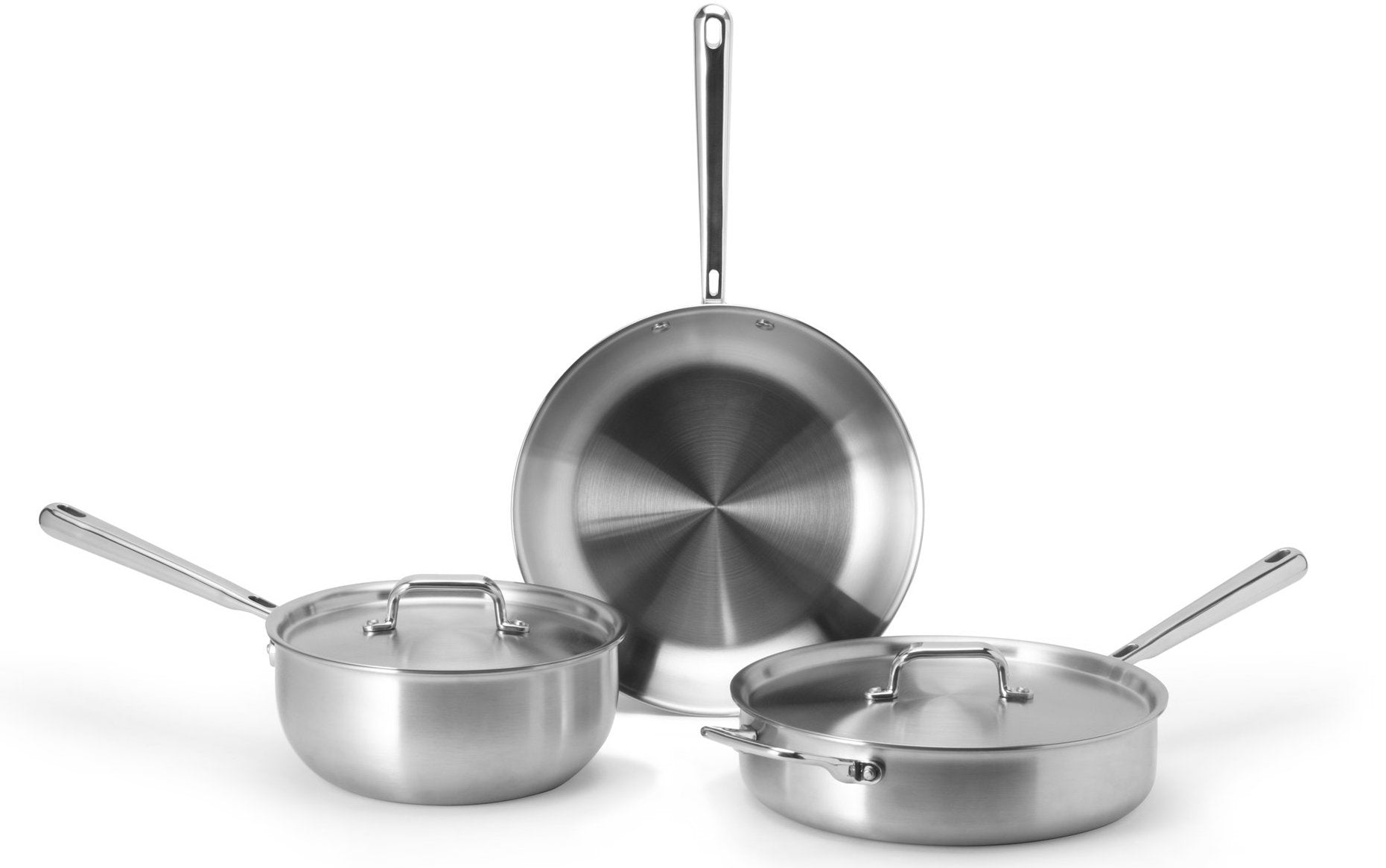
Stainless steel (uncoated)
- Often oven-safe to 500°F or higher.
- Balanced choice for sear, bake, and roast.
- Commonly safe to 600°F.
- Seasons like cast iron; avoid soap-heavy cleaning.
Hard-anodized aluminum (uncoated)
- Usually safe to 400–500°F.
- Light and responsive, but watch handles.
Nonstick PTFE (Teflon-type)
- Often rated 400–500°F; avoid broilers.
- Overheating can degrade coating and release fumes.
Ceramic nonstick
- Often 450°F max; avoid sudden high-heat broiling.
- More tolerant than PTFE at moderate heat but can wear faster.
Copper
- Depends on lining. Tin-lined often under 450°F; stainless-lined higher.
- Heats very fast; easy to overdo under a broiler.
In short, the real answer to can frying pan go in oven depends on the exact combo of body, handle, and lid.

Handles, lids, and coatings: the real limiters
Handles and lids are where most pans fail. A pan body might be safe to 600°F, but a handle can limit you to 350°F.
What to look for:
- Stainless or cast metal handles are best for high heat.
- Silicone handle sleeves are often safe to 400–500°F.
- Phenolic and Bakelite handles often cap at about 350°F.
- Wood or rubberized handles are not oven-safe.
- Glass lids are often safe only to 350–400°F; check the knob rating too.
For coatings, the big rule is simple: nonstick plus broiler is a no. Broilers deliver intense radiant heat that can push coatings past limits in seconds.

How to check if your frying pan is oven-safe
Before you test can frying pan go in oven at home, confirm first.
Step-by-step check:
- Look for an oven-safe icon or stamping under the pan.
- Read the manual or the maker’s website for a specific max temp.
- Check the handle and lid ratings, not just the pan body.
- If uncertain, stay at or under 400°F and avoid broilers.
Quick PAA-style answers:
- Can a nonstick frying pan go under the broiler? No. Most nonstick coatings are not safe under direct broiler heat.
- Can a glass lid go in the oven? Often yes, to 350–400°F, but check the lid knob rating.
- Can frying pan go in oven with a plastic handle? Usually no. Many plastic or phenolic handles cap at about 350°F.
A simple way to answer can frying pan go in oven is to check the maker’s rating and match it to your recipe.
Best practices for using a frying pan in the oven
I have finished hundreds of dishes in the oven, and a few small habits make all the difference.
Safe temperature rules
- Match the pan’s max rating. If it says 450°F max, do not set 500°F.
- Avoid the broiler unless the pan and handle are all-metal and rated for it.
- Use middle racks to limit direct radiant heat on handles and coatings.
Handling and setup
- Use dry, thick oven mitts. Wet towels can steam-burn skin.
- Preheat the oven before you move the pan.
- Turn the handle inward and leave a towel over it to signal it is hot.
Cooking tips that shine
- Sear steak or chicken on the stove, then finish in the oven for even doneness.
- Bake a frittata in a nonstick or seasoned pan for easy release.
- Start a pan pizza on the stove and crisp the crust in the oven.
When friends ask me can frying pan go in oven for a perfect crust on steak or pizza, I say yes with cast iron or stainless, within the rated heat.
Common risks and how to avoid them
Things that can go wrong:
- Warping: Thin aluminum pans can warp if shocked or overheated. Use moderate heat and stable racks.
- Handle melt or crack: Stay under the handle’s limit; keep handles away from broiler elements.
- Coating damage: Nonstick can blister if overheated. Keep it under the listed max and skip the broiler.
- Smoke and fumes: Overheating oil or PTFE can smoke. Vent the kitchen and control heat.
Real-life lesson: I once slid a cheap aluminum skillet under the broiler for salmon skin. The base warped in two minutes. Since then, I use carbon steel for broiler work and never nonstick there.
If you need a fast rule for can frying pan go in oven, avoid broilers unless the whole pan is rated for it.

Care and cleaning after oven use
Good care keeps your pan safe longer.
After cooking
- Let the pan cool on a trivet. Do not add cold water to a hot pan.
- Wipe out burned bits while warm with a soft spatula or paper towel.
Cleaning by type
- Cast iron or carbon steel: Hot water, gentle scrub, dry, and oil lightly.
- Stainless steel: Warm water and soap; for stuck bits, simmer water to lift.
- Nonstick: Soft sponge only; avoid metal tools and abrasive cleaners.
Storage
- Keep lids off until fully dry.
- Stack with protectors to prevent scratches on coatings.

Real-life uses and simple recipes
Here are oven moves I use every week to answer can frying pan go in oven with a tasty yes.
My go-to dishes
- Pan-seared steak to 125–130°F, then 5–7 minutes in a 450°F oven.
- Crispy chicken thighs: sear skin-side down, then 20–25 minutes at 425°F.
- Skillet frittata: sauté fillings, add eggs, bake at 375°F for 10–15 minutes.
- Pan pizza: par-bake crust in a hot skillet, add toppings, finish at 475°F.
Personal notes
- Cast iron gives great sear and finishes clean in the oven.
- Stainless is best when I want a fast fond for pan sauces.
- Nonstick is my pick for eggs but I cap it at 400°F and skip the broiler.
If you still wonder can frying pan go in oven for weeknight speed, try a sear-then-bake method. It saves time and cleans up quick.

Troubleshooting: when things go wrong
Common issues and fixes
- The handle got sticky or cloudy: It likely overheated. Lower your next bake by 25–50°F and keep it off the top rack.
- Food sticks after oven use: Preheat the pan, dry proteins well, and add oil after the pan is hot.
- Nonstick looks dull: You may have hit the max temp. Switch to cast iron or stainless for higher heat dishes.
One last check for can frying pan go in oven is to test at a lower heat first. Build up heat only after you know the pan handles it well.
Frequently Asked Questions of can frying pan go in oven
Can frying pan go in oven if it has a silicone handle
Yes, in many cases up to about 400–500°F. Always check the exact handle rating because brands vary.
Can frying pan go in oven under a broiler
Not if it is nonstick or has low-temp handles. Use all-metal cast iron, carbon steel, or stainless only when rated for broilers.
Can frying pan go in oven if it has a glass lid
Sometimes, but most glass lids top out at 350–400°F. The lid knob can be the weak point, so check that rating too.
Can frying pan go in oven when it says hand wash only
Hand wash only refers to dishwashers, not ovens. You still need to verify the oven-safe temperature and handle limits.
Can frying pan go in oven if it has a removable handle
Often yes, if you remove the handle. Confirm that the attachment point and any gaskets are also rated for oven use.
Can frying pan go in oven for baking cornbread
Yes, cast iron is classic for cornbread. Preheat the pan so the crust turns crisp and golden.
Can frying pan go in oven at 500°F
Only if the pan, handle, and lid are rated to 500°F. When in doubt, cap at 425–450°F and avoid the broiler.
Conclusion
You now know how to decide if a frying pan can go in the oven, how hot it can go, and when to avoid the broiler. Match the pan, handle, and lid to the recipe, and build heat with care. With a few habits and the right pan, you will cook faster, cleaner, and tastier weeknight meals.
Ready to try it tonight Use what you learned, start with a safe pan, and finish a simple sear-and-bake dinner. Share your results, ask questions, or subscribe for more tested kitchen tips.

Hi, I’m Mary, the founder of KitchenClue.com. I’m deeply passionate about everything that makes a kitchen smarter, easier, and more enjoyable. I share hands-on insights and practical expertise on kitchen gear that truly helps in daily cooking. Along with my dedicated research team, we study products carefully, and our writers create honest, well-tested reviews using trusted, authentic sources—so you can choose kitchen tools with total confidence.