Can You Sous Vide With Ziploc Bags: Safety Guide 2026
Yes, you can sous vide with Ziploc bags, if you follow safety rules.
If you have ever wondered can you sous vide with Ziploc bags, you are not alone. I’ve cooked hundreds of steaks, eggs, and chicken breasts this way in home kitchens and test labs. In this guide, I’ll unpack when it’s safe, when to avoid it, and how to get perfect results with simple gear you already own. Expect clear steps, real-life tips, and science-backed answers you can trust.

How sous vide works and why bag choice matters
Sous vide means cooking food in a sealed bag in a water bath at a steady, precise temperature. It keeps meat juicy, fish tender, and veggies crisp. The bag matters because it must be food-safe, leak-free, and heat-stable for the set temperature and time.
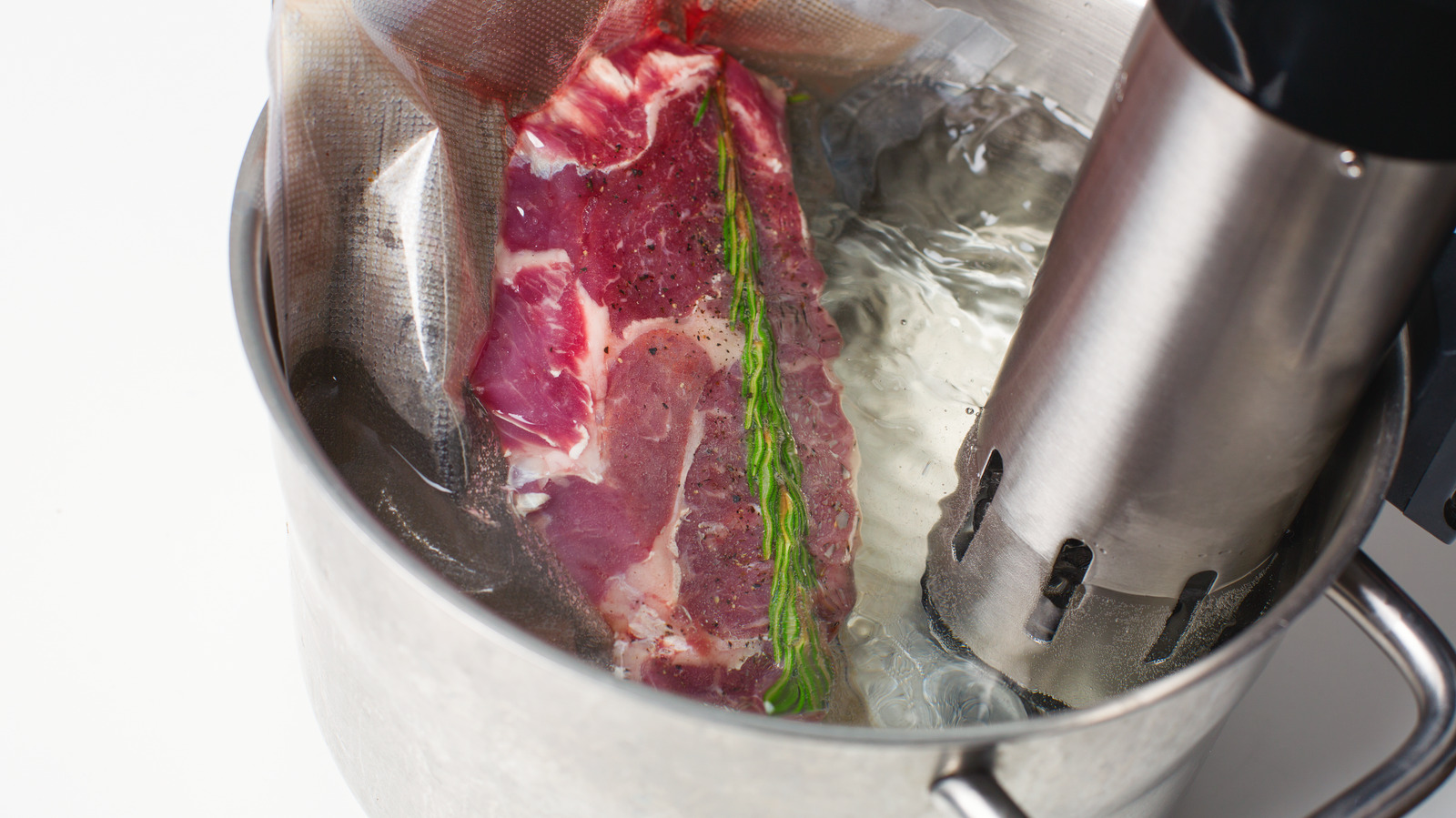
At home, many cooks ask can you sous vide with Ziploc bags. You can, and it works well for most low- to mid-temperature cooks. The key is to use freezer-grade bags, remove as much air as you can, and keep the bag away from hot metal.
Key points to remember:
- Temperature control is the heart of sous vide. Hold temp steady from start to finish.
- Oxygen causes floating and poor heat transfer. Remove air for even cooking.
- Bag integrity matters over long cooks. Pick the right type for the job.

Source: cnet.com
Safety first: can you sous vide with Ziploc bags?
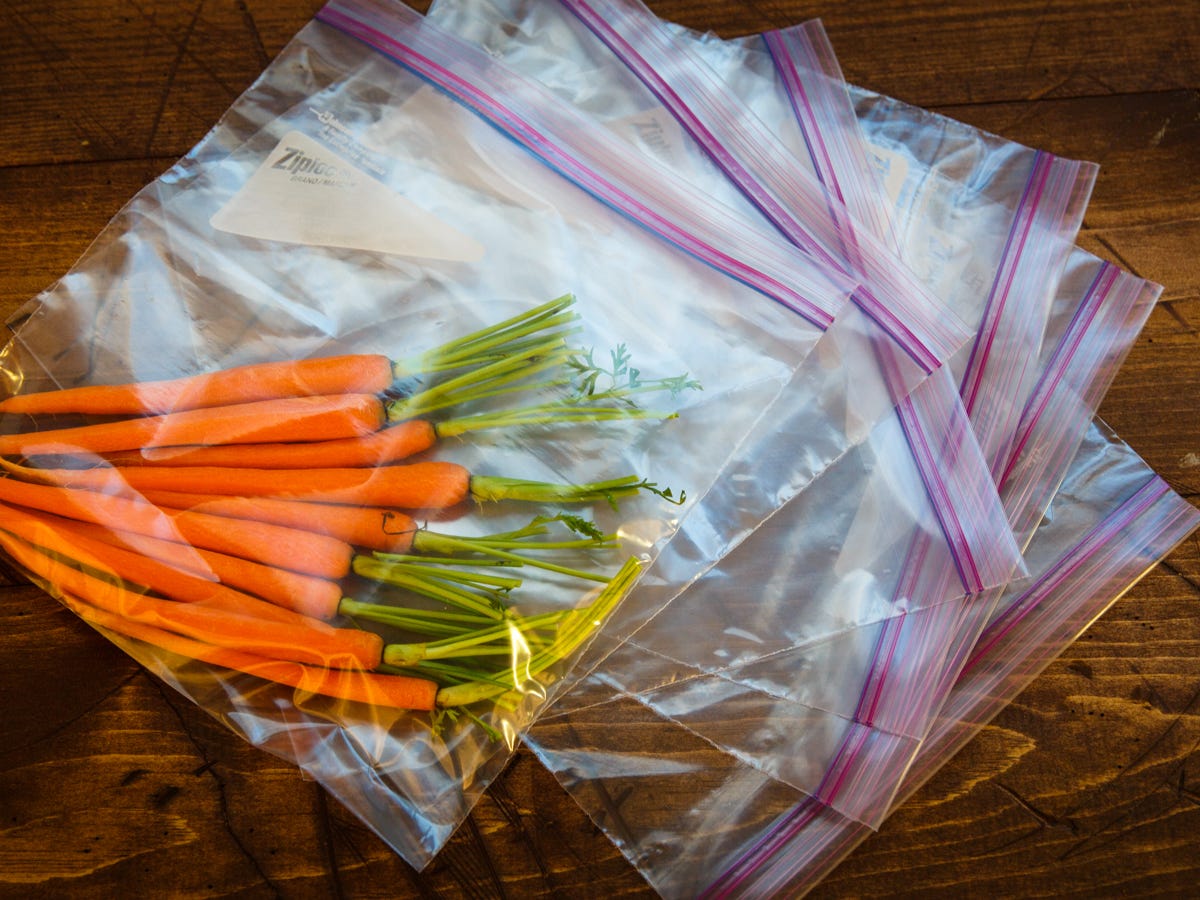
Short answer: yes, you can sous vide with Ziploc bags for most common home temperatures, especially from about 120°F to 170°F. Freezer-weight zipper bags are made for cold and heat swings and are BPA-free. In my experience, they hold up well for steaks, chicken, pork chops, and many veggies.
Key safety notes I follow:
- Use freezer-grade zipper bags. They are thicker and resist leaks.
- Keep temps under about 185°F. At very high temps or long times, seams may weaken.
- Do not place bags against a hot pot or metal rack. Clip the bag so it floats free.
- Avoid direct boiling. Maintain your sous vide bath below simmering.
- Follow food safety times. Hold foods at pasteurization temps long enough.
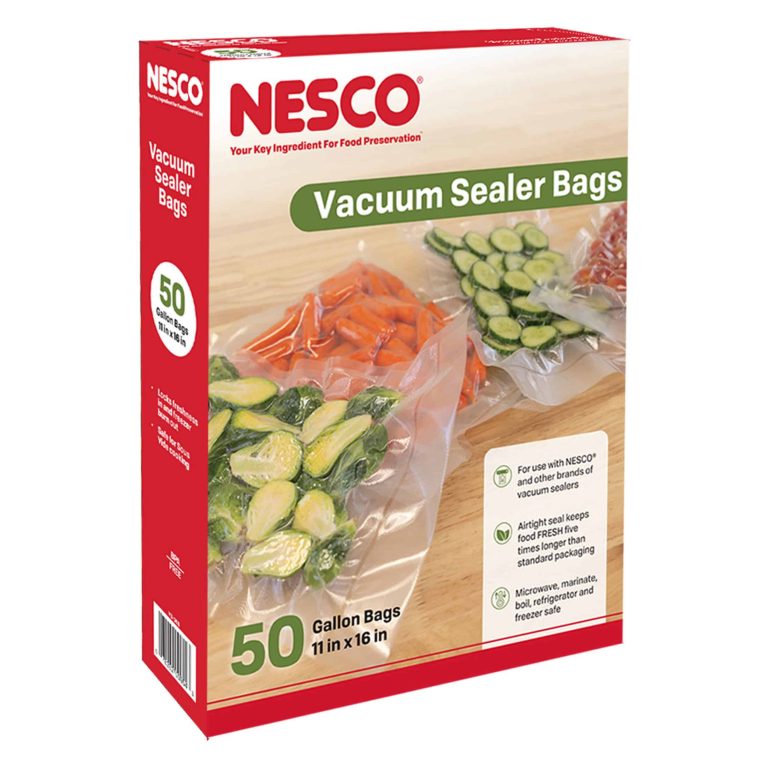
Many food safety resources note that modern polyethylene bags have low chemical migration at typical sous vide temps. Still, use common sense. If a bag warps or smells odd, toss it and start fresh. For higher temps, consider silicone bags or vacuum-seal rolls rated for heat.
If your question is can you sous vide with Ziploc bags for 24 to 48 hours, you can, but take care. Double-bag, use freezer grade, and check the seal mid-cook. For 72-hour cooks or temps above 185°F, switch to heat-rated vacuum bags.
:max_bytes(150000):strip_icc()/GettyImages-1152048495-2000-269152a4422948bcb2fda3d56290fd5d.jpg)
Ziploc-style vs vacuum sealer bags
Both work, but each has trade-offs. Here is how I choose.
When I use Ziploc-style bags:
- Quick weeknight steak, 129°F to 134°F
- Chicken breast at 145°F to 150°F
- Delicate fish at 118°F to 125°F
- Short cooks under 4 hours
- Marinades or last-minute prep without a sealer
When I use vacuum sealer bags:
- Very long cooks like pork shoulder 24 to 36 hours
- Higher temps for vegetables at 183°F
- Large batches where leaks would be costly
- Extra-saucy items that can squeeze toward the seal
- When I want perfect air removal
Pros of Ziploc-style:
- Cheap, easy to find, and fast to use
- Great for beginners
- Good seal with water-displacement trick
Cons of Ziploc-style:
- Zippers can pop under pressure or long cooks
- More prone to tiny leaks
- Not ideal for very high temps or extra-long cooks

Source: tastingtable.com
Step-by-step: sous vide with Ziploc bags the right way
Here is my simple method that never lets me down.
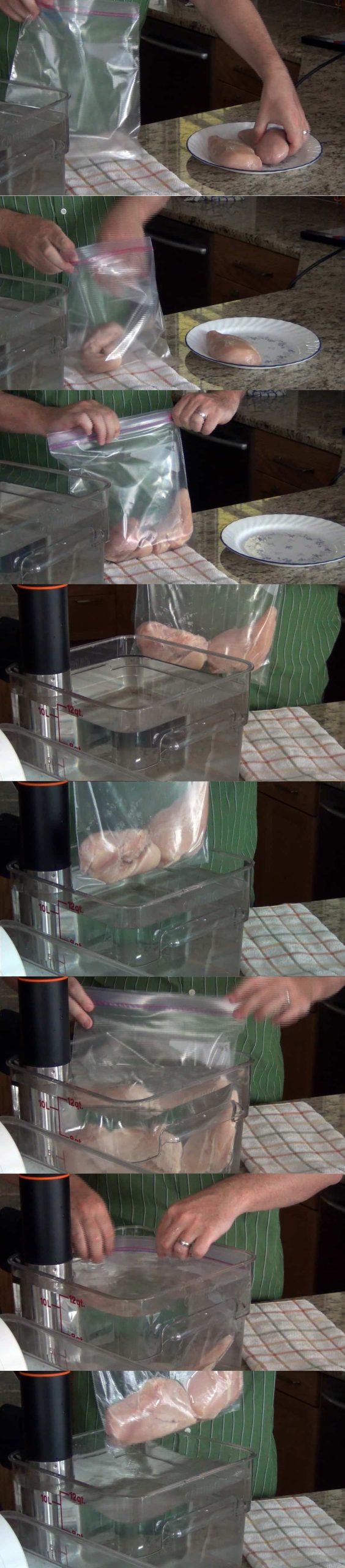
- Season and bag: Add your protein to a freezer-grade bag. Add salt, fat, and aromatics.
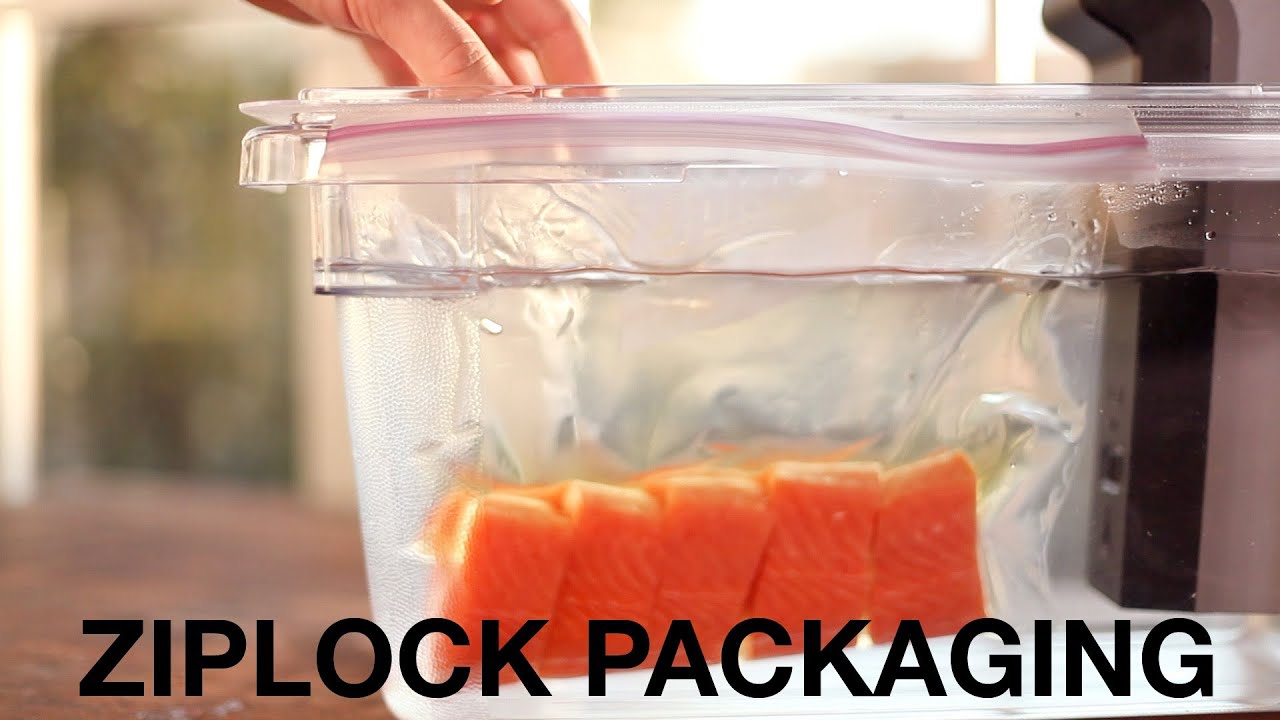
- Displace the air: Lower the bag into the water, zipper end up. Let the water push the air out. Seal the zipper right before it goes under.
- Clip it: Clip the top to the pot so the zipper stays above water.
- Keep it clear: Use a small rack or spoon as a weight so the bag does not float into the machine.
- Cook at target temp: Hold steady for the right time.
- Finish with a sear: Dry the food well. Sear in a hot pan with a little oil or blowtorch.
Extra insurance:
- Double-bag for long cooks like 12 to 48 hours.
- Fold the zipper area back when loading so it stays clean and seals tight.
- Label the bag with a marker if freezing for later.
If you ask can you sous vide with Ziploc bags for meal prep, yes. Bag and freeze portions. Then drop frozen bags in the bath and add extra time for thawing.
What to cook, what to skip with Ziploc in sous vide
Great matches for Ziploc-style bags:
- Steaks, pork chops, and lamb chops at mid-rare temps
- Chicken breast and thighs for juicy results
- Fish fillets and shellfish that cook fast
- Soft fruits and some veggies for quick infusions
- Eggs in shell (no bag needed, but you can bag for neat storage)
Better to avoid or rethink:
- Very hot veggie cooks near 183°F to 190°F. Use heat-rated vacuum or silicone bags.
- Long braises 48 to 72 hours. Zippers may weaken. Use vacuum bags.
- Sharp bones or shells. They can pierce thin plastic. Wrap with parchment inside the bag if needed.
If your core question is can you sous vide with Ziploc bags for steak night, absolutely. It is one of the best use cases, and the results are stellar.

Time and temperature snapshots for Ziploc-friendly cooks
These are simple, home-proven targets that work with freezer-grade zipper bags.
- Steak, medium-rare: 129°F, 1 to 2 hours
- Chicken breast, juicy and safe: 149°F, 1.5 to 2 hours
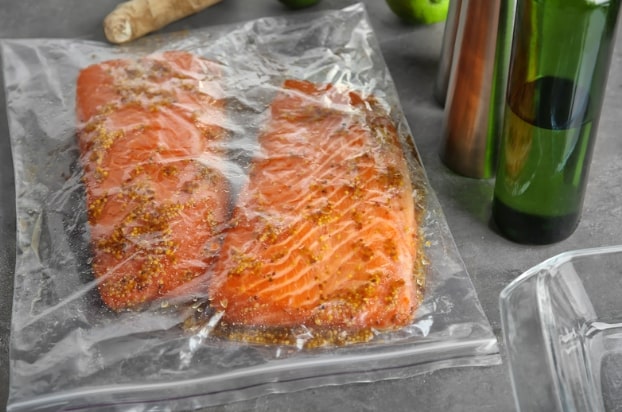
- Salmon, tender: 122°F, 30 to 45 minutes
- Pork chop, medium: 140°F, 1.5 to 2 hours
- Shrimp, snappy: 135°F, 20 to 30 minutes
Food safety tip:
- Hold at safe temps long enough to pasteurize based on thickness. For thick cuts, add time. For very long cooks or higher temps, vacuum bags are safer.
I often get asked can you sous vide with Ziploc bags for chicken safely. Yes. Freezer-grade bags with proper time and temp give tender, safe results.

Troubleshooting and pro tips from my kitchen
What I learned the hard way can save your dinner.
- Floating bags: Add a stainless spoon to the bag or clip a binder clip with a weight.
- Cloudy bath or oil leaks: Double-bag or use less oil inside the bag.
- Zipper popped open: Always leave the zipper above the water line and clip it.
- Uneven cook or gray band: Remove all air and keep the bag flat for good water flow.
- Bag touching metal: Use a silicone trivet or a small rack as a buffer.
Taste and texture boosters:
- Salt early for meat. It helps seasoning sink in.
- Pat very dry before searing. Dry surface equals deep crust.
- For fish, add a thin layer of olive oil to prevent sticking to the bag.
If you wonder can you sous vide with Ziploc bags for 12-hour ribs, you can, but I suggest double-bagging and checking the seal. For 24 to 48 hours, I go vacuum.
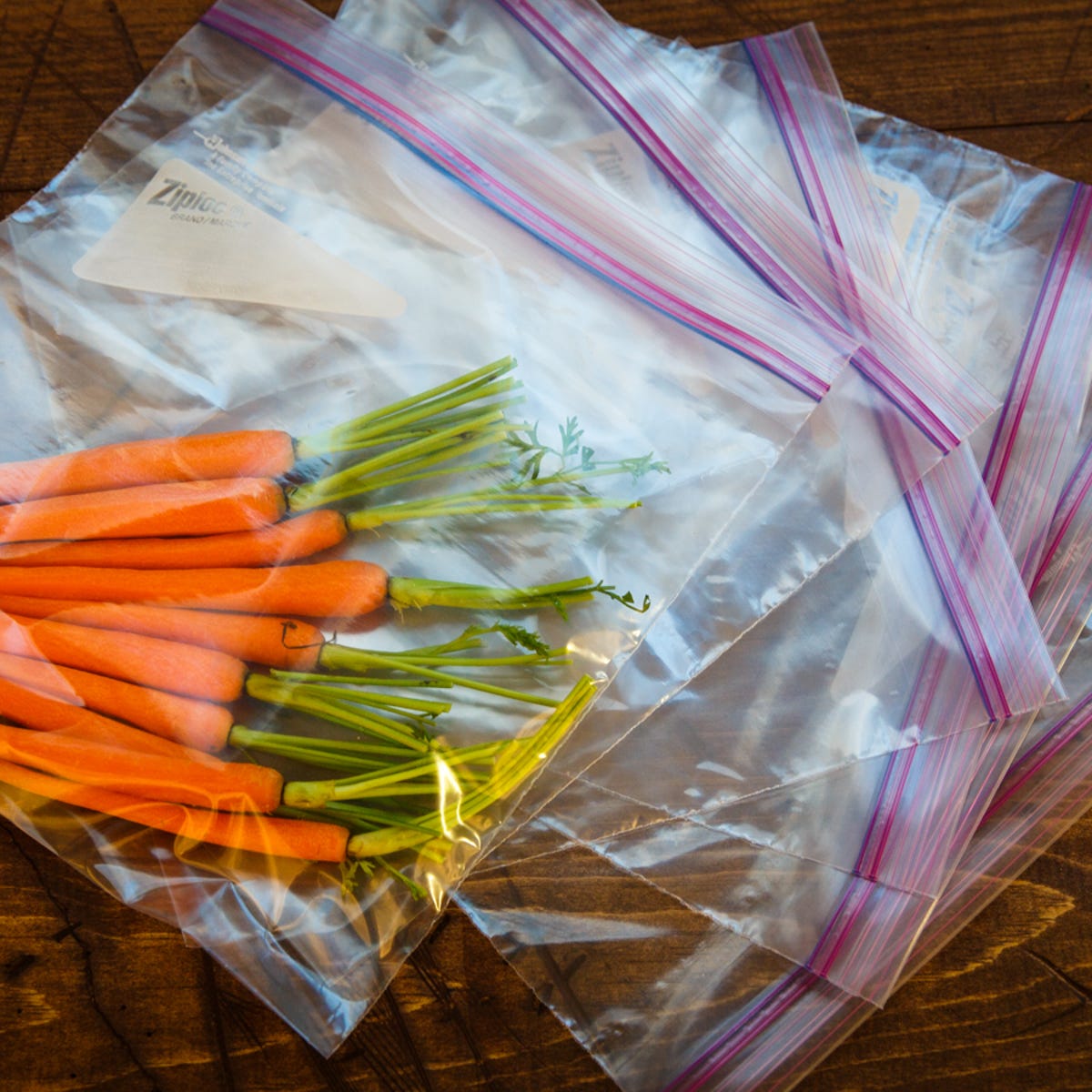
Cost, sustainability, and storage tips
Using what you have makes sous vide more accessible.
- Cost: Ziploc-style bags are cheap and need no sealer. Great for beginners.
- Waste: Reuse bags that held only dry items or raw veggies. Do not reuse bags that touched raw meat juices.
- Storage: Freeze flat in the bag for fast thawing and easy stacking.
- Upgrades: For heavy use, buy a handheld zipper-vac system or reusable silicone bags.
If you keep asking can you sous vide with Ziploc bags long-term, the answer stays yes for many cooks. Over time, consider a vacuum sealer for fewer leaks, better storage, and high-temp jobs.
Frequently Asked Questions of can you sous vide with ziploc bags
Are Ziploc bags safe for sous vide?
Yes, freezer-grade zipper bags are safe for most home sous vide temperatures. Keep temps below about 185°F and avoid direct contact with hot metal.
Do Ziploc bags leach chemicals when heated?
Modern food-grade polyethylene bags show very low migration at common sous vide temps. If a bag warps or smells, discard it and use a new one.
Can I reuse Ziploc bags after sous vide?
You can reuse bags that held only veggies or sealed foods. Do not reuse bags that touched raw meat, fish, or eggs due to food safety risks.
Will my bag float and ruin the cook?
It can float if air remains. Use the water displacement method, add a small weight, and clip the zipper above water.
Can I sous vide at 185°F or higher with Ziploc bags?
It is possible but not ideal, as seams can weaken. For high temps or long veggie cooks, use vacuum-seal or silicone bags rated for heat.
Is it okay to sous vide with marinade in a Ziploc?
Yes, but avoid a lot of sugar or thick sauces that can block sealing. Double-bag and keep the zipper area clean.
Can you sous vide with Ziploc bags for 24 to 48 hours?
Yes, but double-bag and check the seal mid-cook. For 48 to 72 hours, heat-rated vacuum bags are safer.
Conclusion
You asked can you sous vide with Ziploc bags, and the answer is a confident yes for most home cooks and most temperatures. Use freezer-grade bags, master the water displacement method, keep temps reasonable, and double-bag for long cooks. You will get juicy chicken, tender steaks, and clean, repeatable results without buying new gear.
Take the plunge this week. Try a simple 149°F chicken breast or a 129°F steak and note the difference. If this guide helped, subscribe for more step-by-step cook times, or leave a comment with your results and questions.

Hi, I’m Mary, the founder of KitchenClue.com. I’m deeply passionate about everything that makes a kitchen smarter, easier, and more enjoyable. I share hands-on insights and practical expertise on kitchen gear that truly helps in daily cooking. Along with my dedicated research team, we study products carefully, and our writers create honest, well-tested reviews using trusted, authentic sources—so you can choose kitchen tools with total confidence.