Can You Use Steel Wool On Ceramic: Safe Cleaning Guide
No. Steel wool can scratch ceramic and strip the protective glaze fast.
If you’ve wondered can you use steel wool on ceramic, you’re not alone. I’ve cleaned countless kitchens and baths, tested tools side by side, and seen what works and what ruins a finish. In this guide, I’ll break down what happens when steel meets ceramic, safer ways to remove stains, and the fixes that help if damage already happened.
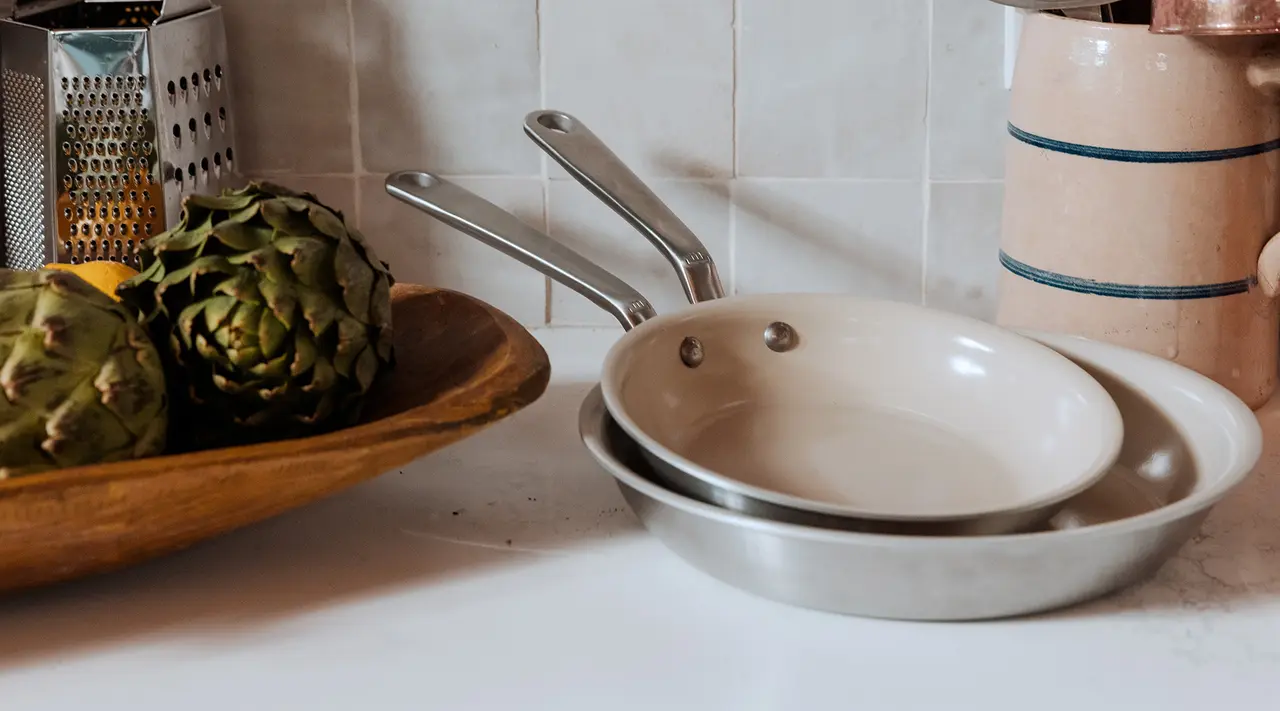
Understanding ceramic surfaces and finishes
Ceramic is not one single thing. It can be a glazed tile, a porcelain sink, a glass-ceramic cooktop, or vitreous china in a toilet. These surfaces look tough, but the shiny layer is a thin glass-like glaze.
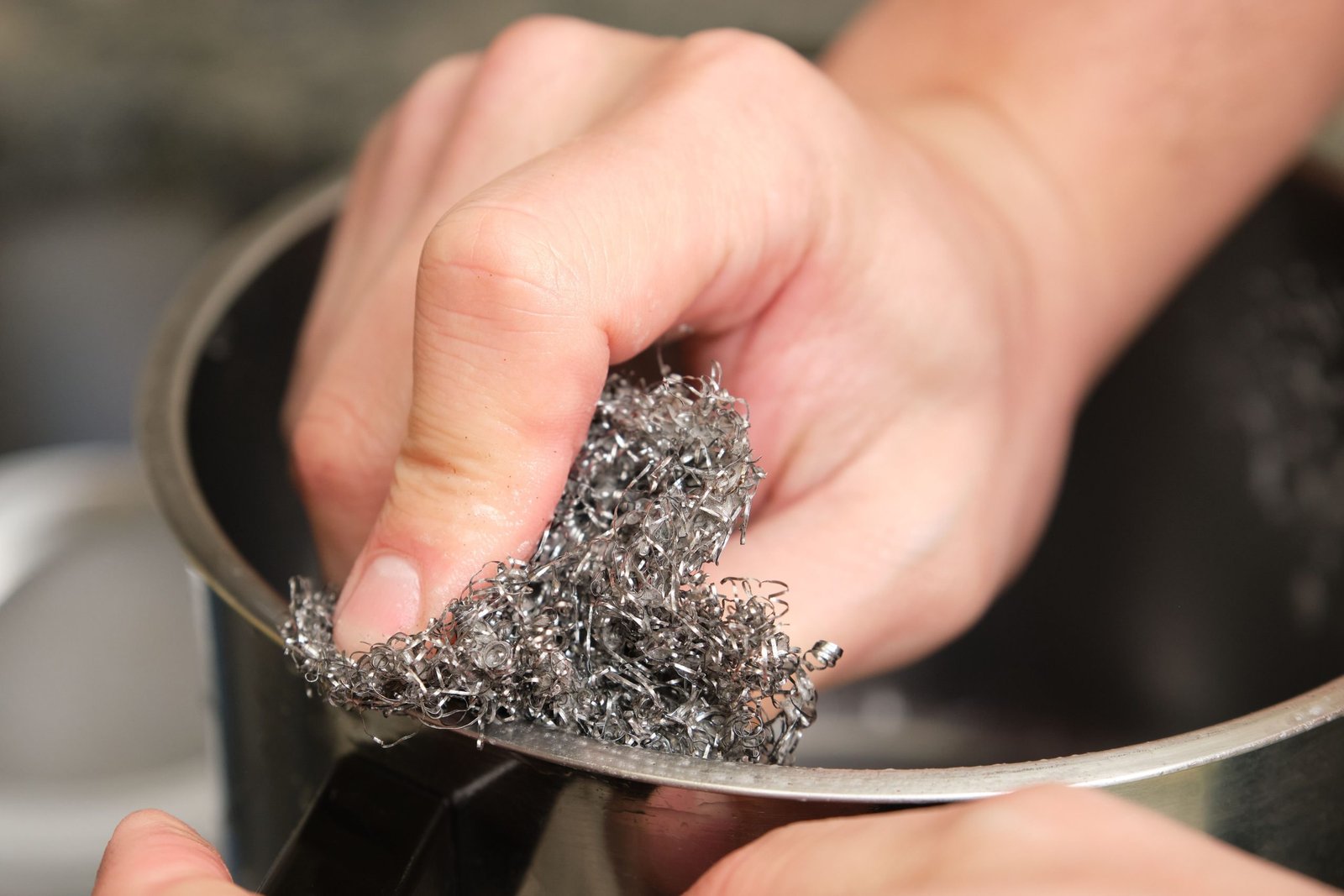
Here’s the key problem. Steel wool is an abrasive made of sharp metal fibers. On ceramic, it can leave fine scratches, dull spots, and gray marks. Those tiny scratches hold dirt and soap. Over time, the surface loses shine and gets harder to clean.
You might ask, can you use steel wool on ceramic? The short answer is still no. Even ultra-fine 0000 steel wool can scratch glaze and leave metal bits that rust into orange stains.
- Glazed ceramic tile: Scratches dull the gloss and invite grime.
- Porcelain sinks and tubs: Steel marks can transfer and rust.
- Glass-ceramic cooktops: Most manuals warn against any steel wool.
- Unglazed tile and quarry tile: The wool can embed and stain the pores.
- Enameled cast iron: The enamel is glass-like; steel wool can haze it.
What steel wool does on ceramic
Think of steel wool like sandpaper made of hair-thin knives. Each pass cuts micro-grooves into the glaze. Under light, those grooves show up as a cloudy haze. On cooktops, that haze can spread heat unevenly and void warranties.
I once tested 0000 steel wool on a worn porcelain sink. It looked better for a minute. The next day, gray streaks turned orange. That was rust from the metal fibers. If you’re asking can you use steel wool on ceramic to remove a stubborn mark, know that you often trade one small stain for permanent surface damage.
- It scratches and dulls the glaze.
- It leaves metal transfer that can rust.
- It creates spots where limescale and soap scum grab on.
:strip_icc()/GettyImages-1305330966-8a5149cd8584416483e4fc1345496b9e.jpg)
When, if ever, can you use steel wool near ceramic?
Near is the key word. You can use steel wool on exposed metal hardware that sits away from ceramic. Think pot bottoms, shower rods, or stainless trim removed from the area. Keep it off any ceramic or enamel.
People also ask: can you use steel wool on ceramic if it’s unglazed or matte? I still do not recommend it. The fibers can lodge in pores and stain later. If you must test a method, try a melamine sponge or a non-scratch pad first. For metal scuff marks on porcelain dinnerware, use a gentle cleanser and a soft pad, not steel wool.

Safe alternatives to steel wool for ceramic
Skip the risk. Use these safer tools and cleaners that do not scratch when used as directed.
- Non-scratch nylon scrub pad: Great for soap scum and grime.
- Melamine sponge: Lifts marks and light stains with water.
- Plastic scraper or old gift card: Pops off gunk without scratching.
- Baking soda paste: Mild abrasive that is far gentler than steel.
- Cream cleanser with oxalic acid: Helps remove metal marks and rust stains.
- White vinegar spray: Softens limescale and hard water film.
- Wet pumice stone made for toilets: Safe on vitreous china when kept wet.
- Cooktop razor scraper: For glass-ceramic tops only, at 45 degrees, per manual.
If you wondered can you use steel wool on ceramic to speed things up, these options do the job with far less risk.

Step-by-step: remove tough stains on ceramic without damage
Follow this simple plan before you reach for harsh tools.
- Identify the surface. Glazed tile, porcelain sink, or glass-ceramic cooktop each need care.
- Pre-clean with warm soapy water. Rinse and dry so you can see the real stains.
- Match the cleaner to the stain.
- Hard water: Vinegar soak, then nylon pad.
- Soap scum: Baking soda paste or a cream cleanser.
- Metal marks: Oxalic acid cleanser and a soft cloth.
- Grout haze: pH-neutral grout haze remover; test first.
- Burned-on sugar on cooktop: Use a cooktop cleaner and a razor scraper per the manual.
- Let the cleaner sit. Give it time to work so you scrub less.
- Agitate gently. Use a melamine sponge or nylon pad.
- Rinse well and dry. Check under bright light.
If you’re still thinking, can you use steel wool on ceramic when nothing else works, try a targeted cleaner and the right pad first. Most stains let go when chemistry does the heavy lifting.

Repairing steel-wool damage on ceramic
If the deed is done, here’s how to limit the harm.
- Gray or orange marks on porcelain: Use an oxalic-acid cleanser and a soft pad. Rinse well. This lifts metal transfer and light rust.
- Light haze on enamel or glazed tile: Try a mild polishing compound and a microfiber cloth. Work small areas and check often.
- Glass-ceramic cooktops: Use the brand’s polish and a proper razor scraper. Deep scratches are permanent, but haze can improve.
- Deep gouges or dull patches: Consider re-glazing a sink or replacing a tile. Be honest about limits. Abrasion removes finish; it does not grow back.
Many folks ask again: can you use steel wool on ceramic to “fix” an old, dull sink? No. It removes more glaze and makes the dullness worse over time.

Cost, time, and risk comparison
Here’s how common methods stack up for ceramic care.
- Steel wool
- Cost: Low.
- Time: Fast.
- Risk: Very high. Scratches, rust stains, and voided warranties.
- Non-scratch nylon pad
- Cost: Low.
- Time: Moderate.
- Risk: Low when paired with the right cleaner.
- Melamine sponge
- Cost: Low to medium.
- Time: Fast on marks.
- Risk: Low. Test on dark matte finishes.
- Pumice stone (toilets only)
- Cost: Low.
- Time: Moderate.
- Risk: Low when kept wet on vitreous china.
- Professional service
- Cost: High.
- Time: Scheduled.
- Risk: Low. Best for re-glazing or deep damage.
If budget and safety matter, the choice is clear. For anyone asking can you use steel wool on ceramic to save time, know that the “fast” route often brings the highest repair cost later.

Frequently Asked Questions of can you use steel wool on ceramic
Can you use steel wool on ceramic tile?
No. It can scratch the glaze and leave dull spots. Use a non-scratch pad and a mild cleaner instead.
Can you use steel wool on ceramic cooktops?
No. Most manuals forbid it and say to use a razor scraper and cooktop cleaner. Steel wool can haze the glass and void your warranty.
Can you use steel wool on ceramic sinks or tubs?
No. It can leave gray marks that turn rusty. Use a cream cleanser with oxalic acid and a soft pad.
Can you use steel wool on ceramic mugs or plates?
It’s risky on glossy glazes. A gentle cleanser and soft pad remove metal marks without scratching.
Can you use steel wool on unglazed ceramic?
Still not advised. The fibers can lodge in pores and cause stains later.
What grade of steel wool is safe for ceramic?
None. Even 0000 steel wool can scratch or leave residue on glazed or enameled surfaces.
How do I get rid of metal marks on porcelain without steel wool?
Use a cleanser with oxalic acid and a soft cloth. Rub lightly and rinse well.
Conclusion
Steel wool and ceramic do not mix. It scratches, dulls, and can leave rust stains that stick around. With the right cleaner and a gentler tool, you can remove tough buildup and keep the finish bright.
Try one safe method from this guide on a small spot today. Build a simple cleaning kit with a nylon pad, melamine sponge, plastic scraper, and a trusted cleanser. Want more practical tips like this? Subscribe, share your results, or drop a question in the comments so we can help you solve the next tricky stain.

Hi, I’m Mary, the founder of KitchenClue.com. I’m deeply passionate about everything that makes a kitchen smarter, easier, and more enjoyable. I share hands-on insights and practical expertise on kitchen gear that truly helps in daily cooking. Along with my dedicated research team, we study products carefully, and our writers create honest, well-tested reviews using trusted, authentic sources—so you can choose kitchen tools with total confidence.