
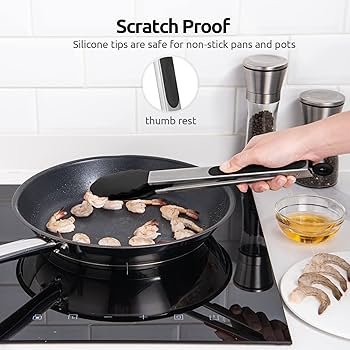
Can You Use Rubber Tongs In Oil: Safety Guide 2026
Avoid using rubber-tipped tongs in hot oil; use metal or silicone instead.
If you have ever asked, can you use rubber tongs in oil, you are not alone. I have cooked in home and pro kitchens, and I have tested many tools. In this guide, I explain what counts as “rubber,” how hot oil behaves, and what is safe. You will learn when you can use rubber tongs in oil, when you should not, and which tools work best for frying.

What “rubber tongs” really are
Many people say rubber when they mean silicone. True rubber includes natural rubber and latex. It also includes blends like neoprene and nitrile. Silicone is a different material. Nylon is another. All these act very differently in heat and oil.
Most frying oil sits between 350°F and 375°F. True rubber softens and swells in hot oil. It can lose grip and can leach odor. Nylon can soften near 400°F and can warp on a hot pan. Food grade silicone is more stable. It is often rated to 450°F. Stainless steel is safe at any cooking heat.
So, can you use rubber tongs in oil? Not if the tip is true rubber. If the tips are food grade silicone, brief contact is okay. Full submersion is still not ideal. Stainless steel is the safest call for deep frying.

Heat, oil, and material basics
To judge can you use rubber tongs in oil, you need the heat numbers. Most oils fry well at 350°F to 375°F. Some oils have a smoke point near 400°F. Hot oil transfers heat fast. This speeds up damage to soft materials.
Natural rubber is not built for that heat. It breaks down and can get sticky. Nylon can deform at high heat. Food grade silicone resists heat and oil well. It can handle 428°F to 482°F for short times. Stainless steel has no issue with fry temps.
Labels matter. Look for a clear heat rating on the handle or box. NSF or FDA food-contact claims are a plus. If there is no rating, do not trust it in hot oil.
:max_bytes(150000):strip_icc()/sea-kitchen-tongs-test-oxo-good-grips-12in-ashlee-redger-15_crop-e90d193285484c6f91bb673a15cab979.jpeg)
Risks of using rubber tongs in hot oil
Here is why can you use rubber tongs in oil is risky with true rubber. Hot oil breaks down rubber bonds. The tips can slip or tear. You can drop food and splash hot oil.
Other hazards include:
- Melting and off-gassing that can harm taste and smell
- Sticky residue that traps crumbs and grows bacteria
- Leaching of fillers or dyes into food
- Sudden grip failure that can cause burns
If a tool smells like burning tires, stop using it at once. That smell signals breakdown.

What to use instead for frying
A better way than asking can you use rubber tongs in oil is to pick tools built for fry work. My top picks focus on reach, control, and safety.
Best options for deep or shallow fry:
- Stainless steel tongs with scalloped tips for turning cutlets and wings
- A wire spider skimmer for dropping and lifting batches
- A long slotted spoon for small items or fries
- Long wooden chopsticks for light, shallow fry work
- A fry basket for deep pots and large batches
Look for 12 to 16 inch length. This keeps hands away from splatter. Choose tools with solid rivets and no loose joints.
If you still plan to use coated tongs in oil
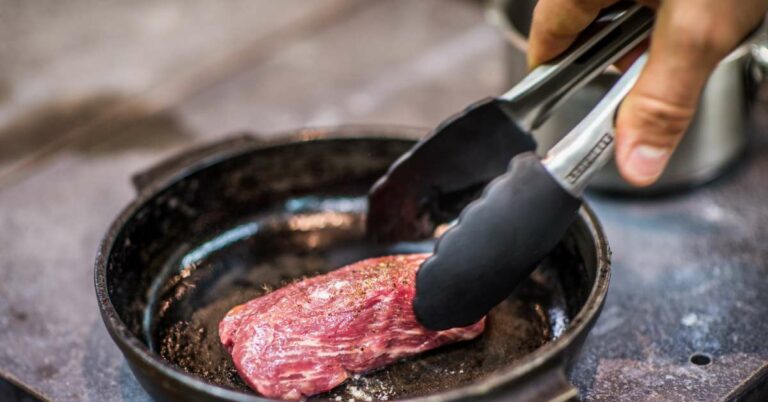
If you still wonder can you use rubber tongs in oil, follow strict rules. Use only tongs with food grade silicone tips. The tips should be rated to at least 450°F. Avoid nylon and avoid unknown “rubber.”
Keep these tips in mind:
- Use them for brief contact, not long soaks
- Do not leave tips sitting in the oil
- Inspect tips for nicks, cuts, or gloss loss
- If tips turn sticky or chalky, retire them
- Keep handles dry and clean to reduce slips
I still switch to metal for deep frying. Silicone is fine for pan searing or tossing in a skillet. It shines when you do not want to scratch nonstick pans.

How to tell what your tongs are made of
Labels fade and parts get mixed in drawers. Here is how to check fast. This helps you answer can you use rubber tongs in oil for your gear.
- Read the tiny print on the handle or hinge. Many brands mold heat ratings there.
- Search the model on the brand site. Most list heat limits for tips.
- Feel and look. Silicone is rubbery and holds shape. Nylon feels harder and can mark when scraped with a fingernail.
- Smell after a hot wash. A strong tire smell hints at true rubber. Do not heat tools just to test.
- When in doubt, treat it as not safe for oil.
Care, cleaning, and lifespan in oily cooking
Oil and heat age soft tips. Even silicone loses life if left in oil or under broiler heat. Good care helps you get safe use for longer.
Do this after oily cooks:
- Hand wash in hot, soapy water to strip oil film
- Dry fully so water does not boil on next use
- Do not use harsh scrub pads on soft tips
- Store with tips closed to protect edges
- Replace tips once they nick, tear, or turn sticky
With care, you will not need to ask can you use rubber tongs in oil again. You will know the limits of your tools.

Notes from my kitchen and the line
On a busy fry station, metal wins every time. I once watched a nylon tip bend while turning a breaded cutlet. It slipped. Hot oil splashed. No one liked that shift.
At home, I use silicone-tipped tongs for nonstick pans. They are great for soft fish or tossing noodles. But for fries or chicken in 375°F oil, I grab a spider or steel tongs. This simple swap has saved me from burns and from ruined gear. That is the real lesson behind can you use rubber tongs in oil.

Frequently Asked Questions of can you use rubber tongs in oil
Is it safe to use silicone-tipped tongs in hot oil?
Yes, if they are food grade and rated to at least 450°F. Keep contact brief and do not leave the tips soaking in oil.
Will rubber tongs melt in oil?
True rubber can soften, swell, or melt near fry temps. This can cause odor, stickiness, and even tip failure.
What tongs are best for deep frying?
Stainless steel tongs with long handles are best. A wire spider skimmer is even better for lifting batches safely.
Can I use nylon-tipped tongs for frying?
I do not recommend it. Nylon can soften near 400°F and may warp or shed under high heat in oil.
How do I know if my tongs are silicone or rubber?
Check the label or maker site for a heat rating. Silicone feels springy and is often marked heat safe to 450°F or more.
Can you use rubber tongs in oil for shallow frying?
I would still avoid true rubber. Food grade silicone can work for brief flips in shallow oil at moderate heat.
Do rubber tongs leach chemicals into food?
Degraded rubber can leach odors and compounds. Use food grade silicone or stainless steel to avoid this risk.
Conclusion
The short answer is simple: can you use rubber tongs in oil depends on the material. True rubber is a no. Food grade silicone can work for brief tasks. Stainless steel is best for deep frying. Choose the right tool, check the heat rating, and keep your hands safe.
Try this today: set aside a metal spider or steel tongs for all fry jobs. Use silicone only for quick flips in pans. Want more smart kitchen tips like this? Subscribe, share your questions, or leave a comment with your setup.

Hi, I’m Mary, the founder of KitchenClue.com. I’m deeply passionate about everything that makes a kitchen smarter, easier, and more enjoyable. I share hands-on insights and practical expertise on kitchen gear that truly helps in daily cooking. Along with my dedicated research team, we study products carefully, and our writers create honest, well-tested reviews using trusted, authentic sources—so you can choose kitchen tools with total confidence.