Can Made In Pans Go In The Oven: Oven-Safe Guide 2026
Yes, most Made In pans can go in the oven, but heat limits vary.
If you’ve wondered can made in pans go in the oven, you’re in the right place. I work with these pans in real kitchens and have tested them at high heat. This guide gives a clear, tested answer to can made in pans go in the oven, plus safe temperatures, best practices, and pro tips to help you cook better and protect your gear.

What oven-safe really means for your Made In pan
Oven-safe means both the pan and its handle can handle set heat for a set time. That limit depends on the material, the handle, and any coatings. It also depends on the lid, if you use one.
Look for a stamp or note on the bottom or in the manual. Many Made In pieces note an exact max temperature. If you ask can made in pans go in the oven, that stamp is your best quick check. When in doubt, follow the lower limit between the pan and the lid.
Thermal shock matters. Hot pan to cold sink can warp metal or crack enamel. Let the pan cool on the stove or a trivet before washing. Oven use is safe when you respect heat and cool-down.
Can made in pans go in the oven? Yes—here are the limits
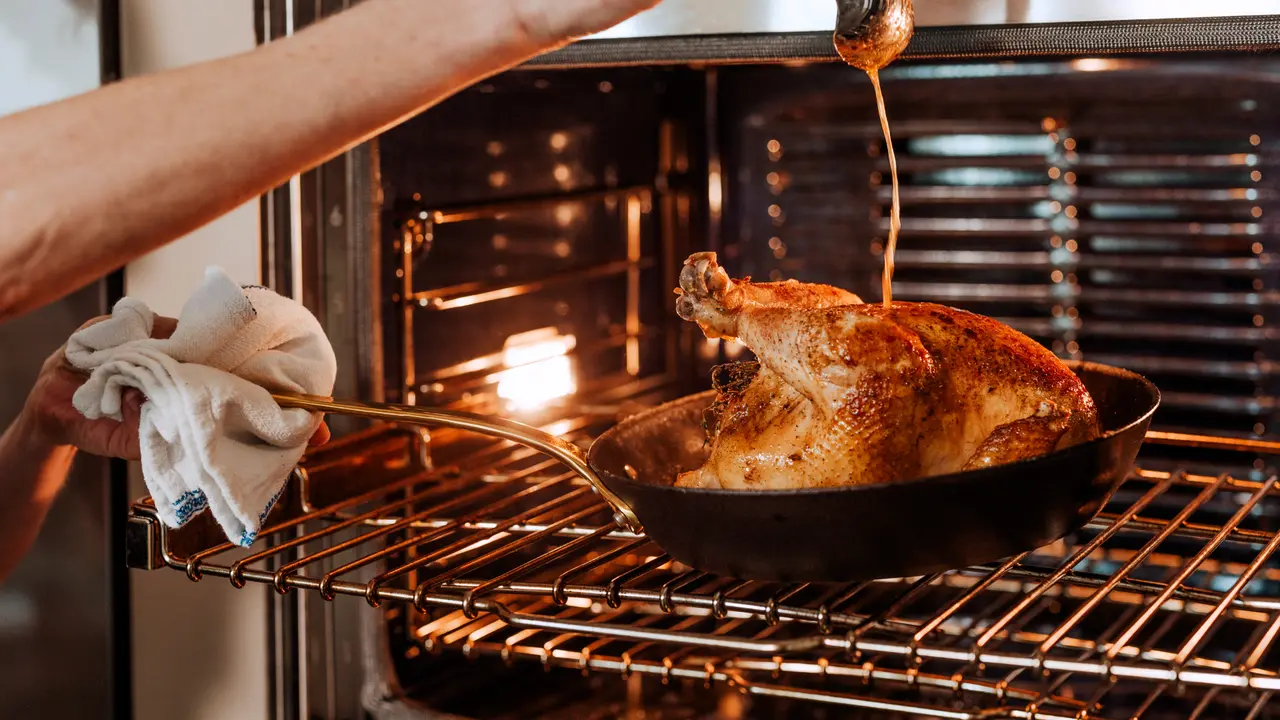
The short answer to can made in pans go in the oven is yes, with rules. The safe limit depends on the type of pan. Here are typical ranges based on common manufacturer guidance for Made In cookware. Always confirm your exact model.
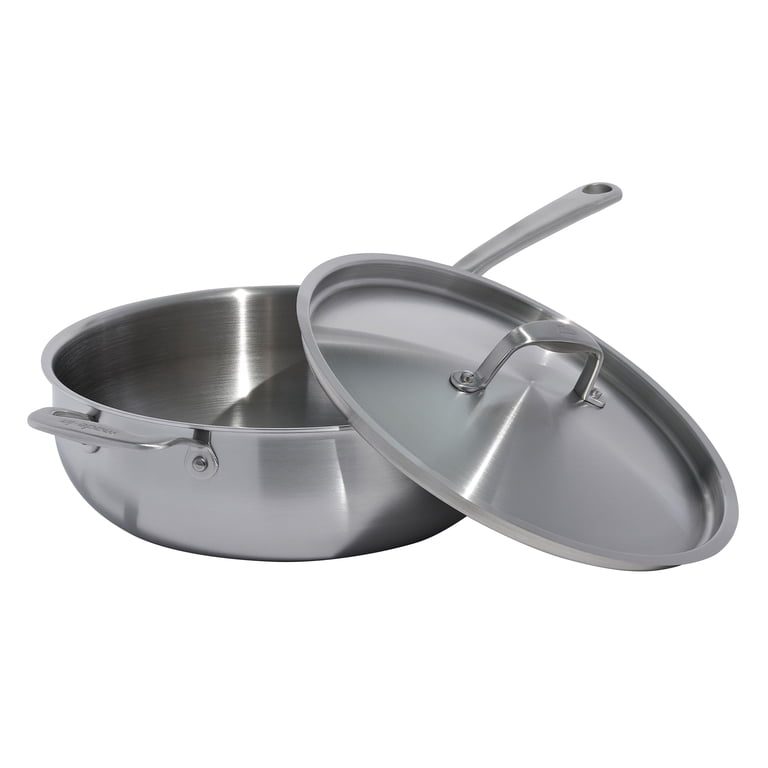
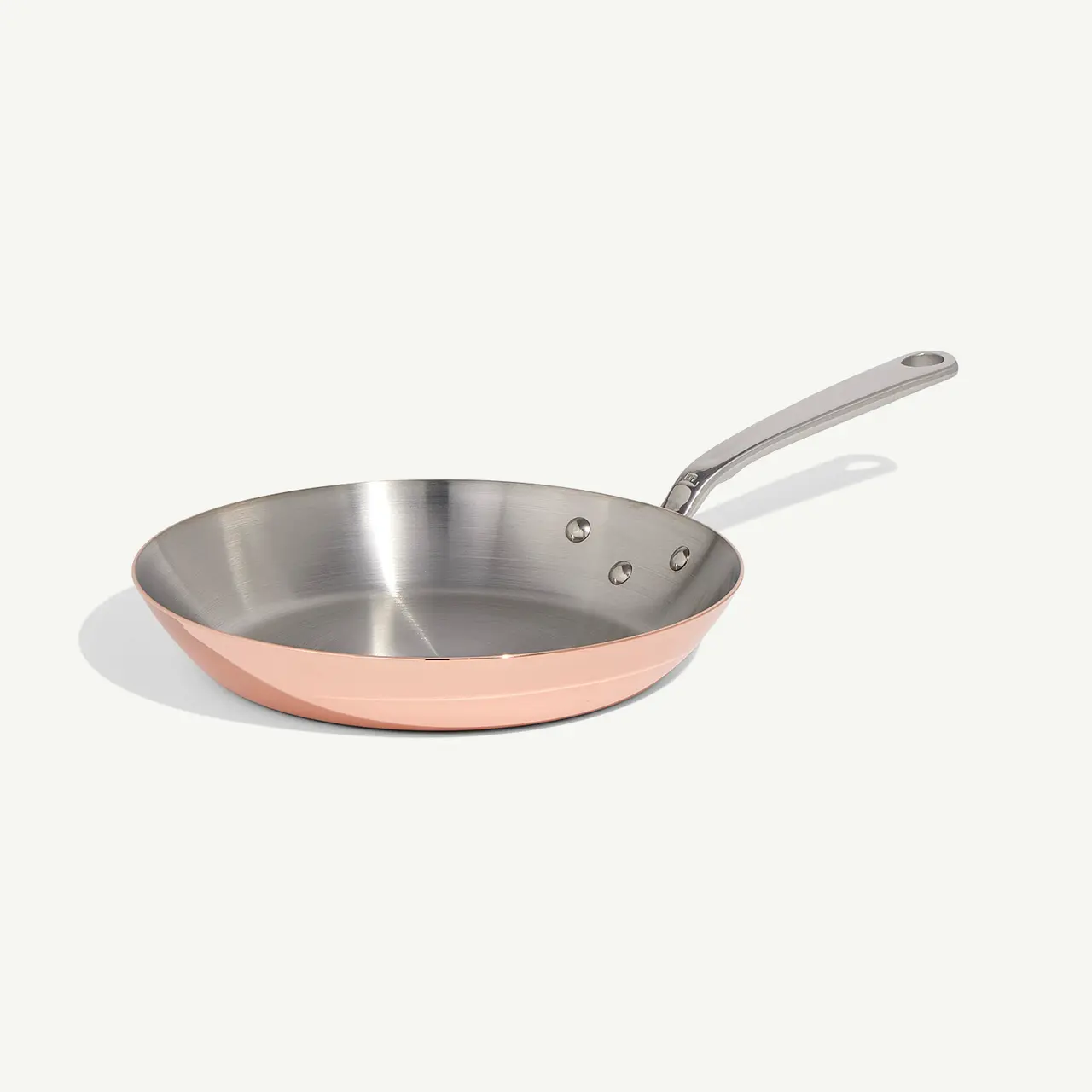
- Stainless Clad pans. Generally oven-safe up to about 800°F. Broiler-safe. No coating to fail. Great for sear-then-roast.
- Carbon Steel. Often safe up to about 1200°F. Broiler-safe. Needs seasoning. Avoid soap scrubs after.
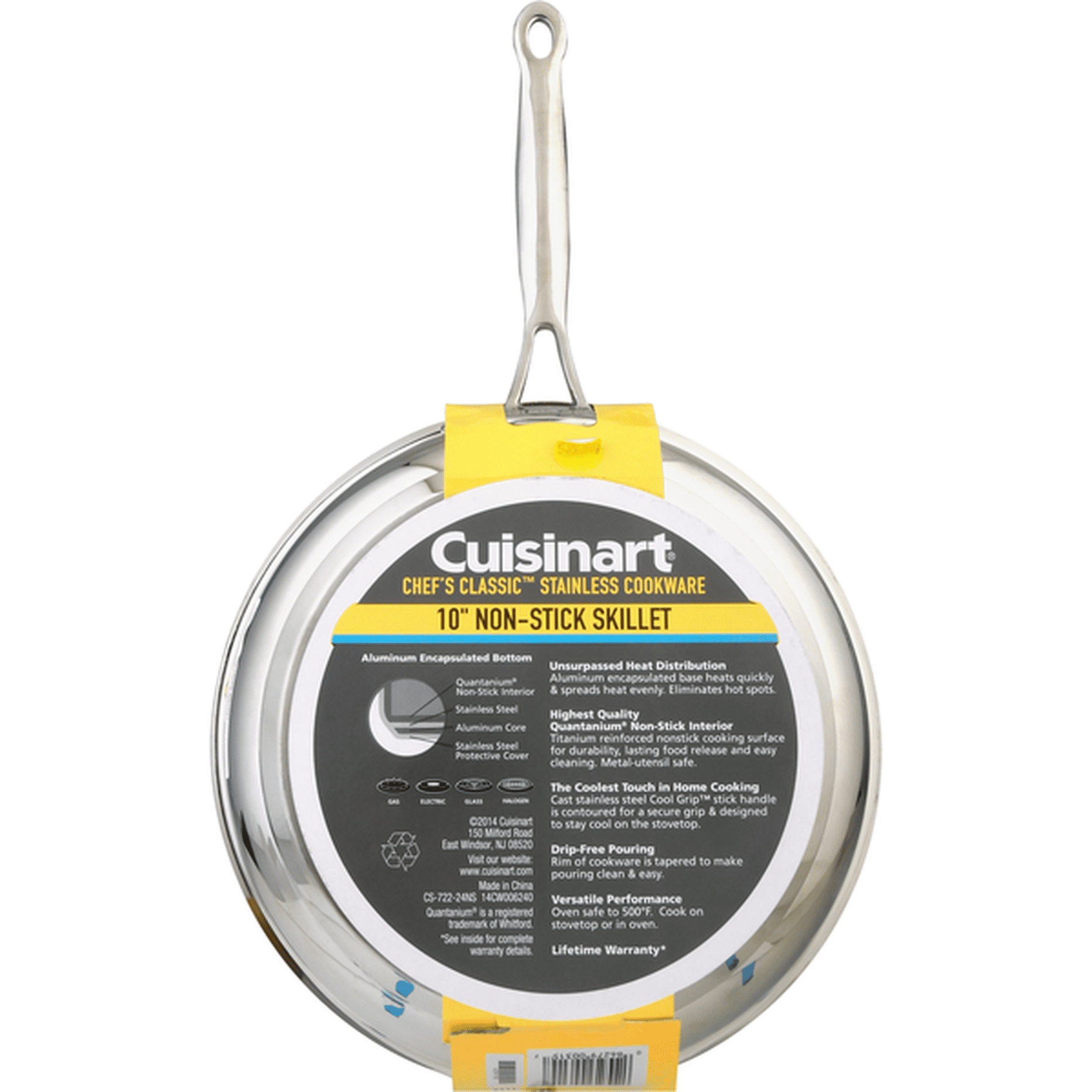
- Nonstick (PTFE). Usually oven-safe up to about 500°F. Do not use under the broiler. Use gentle heat and wood or silicone tools.
- Enameled cast iron (Dutch oven). Often safe to about 580°F. Handles match the rating. Avoid big temperature swings.
- Lids and handles. Stainless lids and handles can match pan limits. Glass lids, if any, often cap at around 400–500°F. Always follow the lowest max temp in use.
If you are still asking can made in pans go in the oven, use this rule: stainless and carbon steel can handle broilers and high heat; nonstick stays below 500°F and away from the broiler; enamel is strong but hates shock.
:strip_icc()/BHG-oven-safe-skillet-hero-2680_1rrwNcHR424Ar7XISRl75a-404a2bf75be940169e049eebed3ba417.jpg)
Oven temperatures by material and piece
Here is a clearer breakdown you can use day to day.
- Frying pans and sauté pans
- Stainless Clad: up to 800°F. Broiler-safe.
- Carbon Steel: up to 1200°F. Broiler-safe. Keep it dry and seasoned.
- Nonstick: up to 500°F. Not broiler-safe.
- Stock pots and saucepans
- Stainless Clad: up to 800°F. Great for braises and bakes.
- Nonstick saucepans: check your label, often up to 500°F.
- Dutch ovens and roasters
- Enameled cast iron: often up to 580°F. Use gentle heat rise and cool-down.
- Lids and knobs
- Stainless lids and handles: usually match pan rating. Use dry mitts.
- Glass lids: often 400–500°F max. Do not broil with glass.
People ask can made in pans go in the oven for bread, steaks, or frittatas. Yes, they can, if you match the recipe heat to the right pan. If you do that, you protect your pan and your food.
How to use Made In pans in the oven safely
Follow these steps for best results and longer pan life.
- Check the rating. Look at the manual or base stamp. If you ask can made in pans go in the oven for a 500°F roast, your nonstick is fine, but not the broiler.
- Preheat right. Heat the empty pan for 2–3 minutes on the stove if you want a good sear. Then move it to the oven. For carbon steel, preheat longer for even heat.
- Choose the right fat. Use oils with high smoke points for hot ovens. Avocado or refined canola work well. Butter is fine at moderate heat.
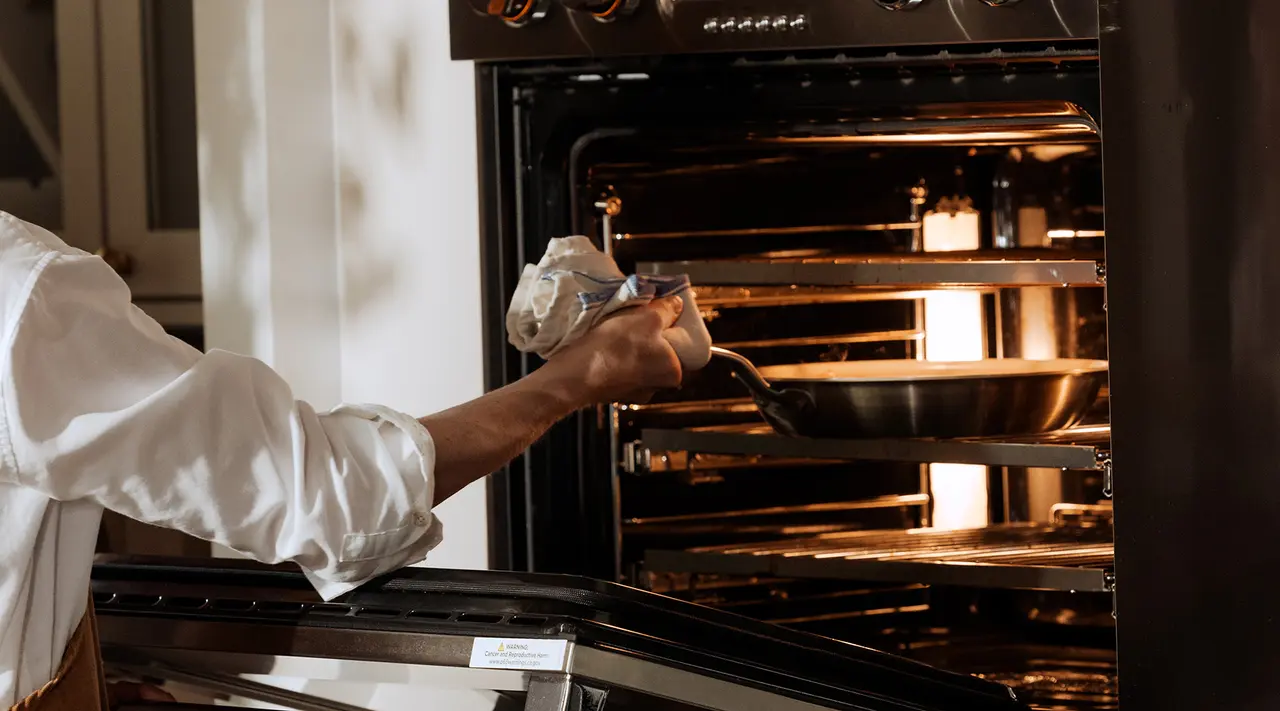
- Mind the handle. Use dry, thick mitts. Metal handles get very hot. Set a towel on the counter as a reminder.
- Rack position matters. Keep nonstick away from the broiler. Put stainless and carbon steel closer for browning.
- Avoid shock. Let hot pans cool on a trivet. Do not run cold water over a hot pan.
- Clean with care. For stainless, a quick soak and a gentle scrub work. For carbon steel, wipe, re-oil, and keep it seasoned. For nonstick, use soft sponges.
This routine answers can made in pans go in the oven and helps you cook with confidence.
Mistakes to avoid
Small errors can ruin a pan or a meal. Skip these traps.
- Using the broiler with nonstick. PTFE coatings do not like that intense top heat.
- Ignoring the lid rating. Your stainless pan might handle 800°F, but a glass lid may not.
- High heat on empty nonstick. It can overheat fast without food to absorb heat.
- Cold shock to hot enamel or steel. That invites warps and cracks.
- Abrasive tools on nonstick or enamel. Use wood, nylon, or silicone tools instead.
When friends ask can made in pans go in the oven for pizza or steak night, I say yes, but follow these guardrails. They save pans and keep food better.
Real-world tests and results
Here is what I have seen in my kitchen.
- Stainless Clad steak finish. I sear on the stove, then finish at 500°F for 4 minutes. The crust is deep and even. The pan cleans up with a brief soak.
- Carbon steel pizza. I heat the pan at 550°F, slide in the dough, and bake for 8 minutes. The edge is crisp. Seasoning stays intact with a light oil wipe after.
- Nonstick frittata. I cook on low, then bake at 400°F for 10 minutes. It slides right out. The coating looks the same months later because I never broil it.
- Enameled Dutch oven braise. I go low and slow at 300°F for 3 hours. No chips, no stains. I avoid cold water until it is warm to the touch.
These runs back up the core point behind can made in pans go in the oven. Match pan type to heat, and you will be set.
Pro tips I swear by:
- Move a preheated sheet pan under a carbon steel skillet for even base heat.
- For baked eggs, oil the rim too. Releases cleaner.
- If stainless sticks, deglaze with a splash of water or wine. That lifts fond and saves scrubbing.

Frequently Asked Questions of can made in pans go in the oven
Can made in pans go in the oven with the lid on?
Yes, if the lid matches or exceeds the recipe temperature. Follow the lower rating between the lid and the pan, and avoid broiling with glass lids.
Can made in pans go in the oven under the broiler?
Stainless and carbon steel can handle the broiler. Nonstick should not go under the broiler due to coating limits.
Can made in pans go in the oven at 500°F?
Yes for stainless, carbon steel, and most nonstick rated to 500°F. Check your exact model and never exceed the listed limit.
Can made in pans go in the oven if the handle is metal?
Yes, metal handles on Made In are built for oven use. Still use dry mitts and confirm the pan’s max heat.
Can made in pans go in the oven straight from the fridge?
It is better to let cold food sit for 10–15 minutes first. Avoid big temperature swings, which can warp metal and stress enamel.
Can made in pans go in the oven on convection mode?
Yes. Convection can brown faster, so reduce temp by about 25°F and check early for doneness.
Can made in pans go in the oven for sourdough or no-knead bread?
Yes, in a carbon steel or enameled Dutch oven within the stated limit. Preheat the vessel to get a great crust and oven spring.
Conclusion
Most Made In pans are oven-safe, and many thrive at high heat. Stainless and carbon steel work under the broiler. Nonstick is great up to 500°F but not for broiling. Enameled cast iron loves steady, even heat. If you remember these limits, you never need to ask can made in pans go in the oven again.
Pick the right pan, set the right temp, and cook with confidence tonight. Want more gear tips and tested recipes? Subscribe, share your results, or drop a question in the comments.

Hi, I’m Mary, the founder of KitchenClue.com. I’m deeply passionate about everything that makes a kitchen smarter, easier, and more enjoyable. I share hands-on insights and practical expertise on kitchen gear that truly helps in daily cooking. Along with my dedicated research team, we study products carefully, and our writers create honest, well-tested reviews using trusted, authentic sources—so you can choose kitchen tools with total confidence.