Can Pans Go Into The Oven: Ultimate Safety Guide 2026
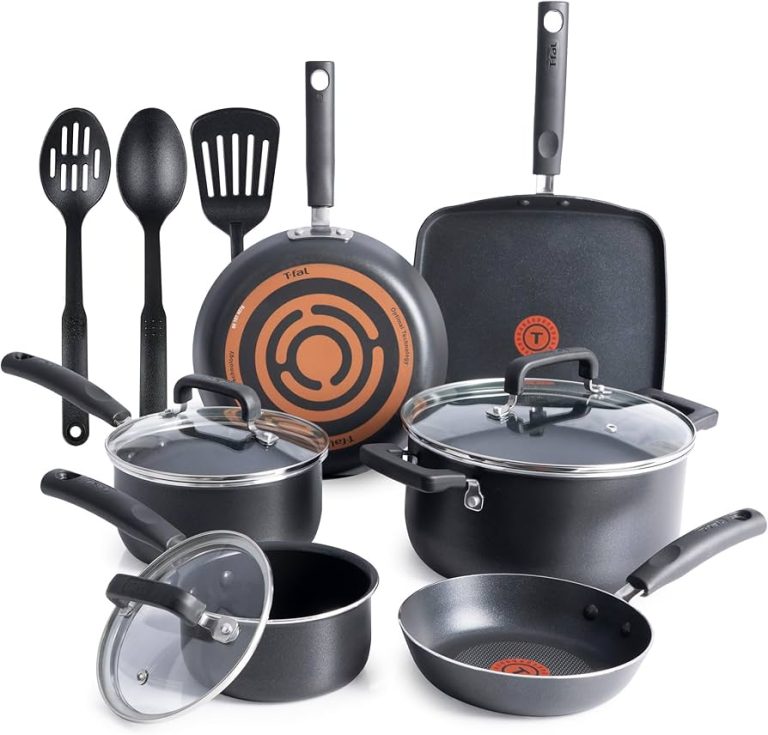
Yes, many pans can go into the oven if their materials and handles are oven-safe.
If you have ever paused mid-recipe and wondered, can pans go into the oven, you are not alone. I test cookware for a living and cook at home every day. In this guide, I break down what makes a pan oven-safe, what to avoid, and how to use your gear with care. By the end, you will know exactly when can pans go into the oven, and when they should not.
:strip_icc()/BHG-oven-safe-skillet-hero-2680_1rrwNcHR424Ar7XISRl75a-404a2bf75be940169e049eebed3ba417.jpg)
What “oven-safe” really means
Oven-safe means the pan and all parts can stand a set heat for a set time. It covers the body, the handle, the lid, and any coating. If one part fails, the whole pan is not oven-safe.
Most brands print a max oven temp. Look on the base, handle, or in the manual. Common limits are 350°F, 400°F, 450°F, and 500°F. A safe rule: if you ask, can pans go into the oven, check the lowest rated part first. That part sets the true limit.
What if there is no label? Use care. Many metal pans are safe, but plastic, wood, and some glues are not. When in doubt, call the maker or check the product page. That is the best path to a clear yes to “can pans go into the oven.”
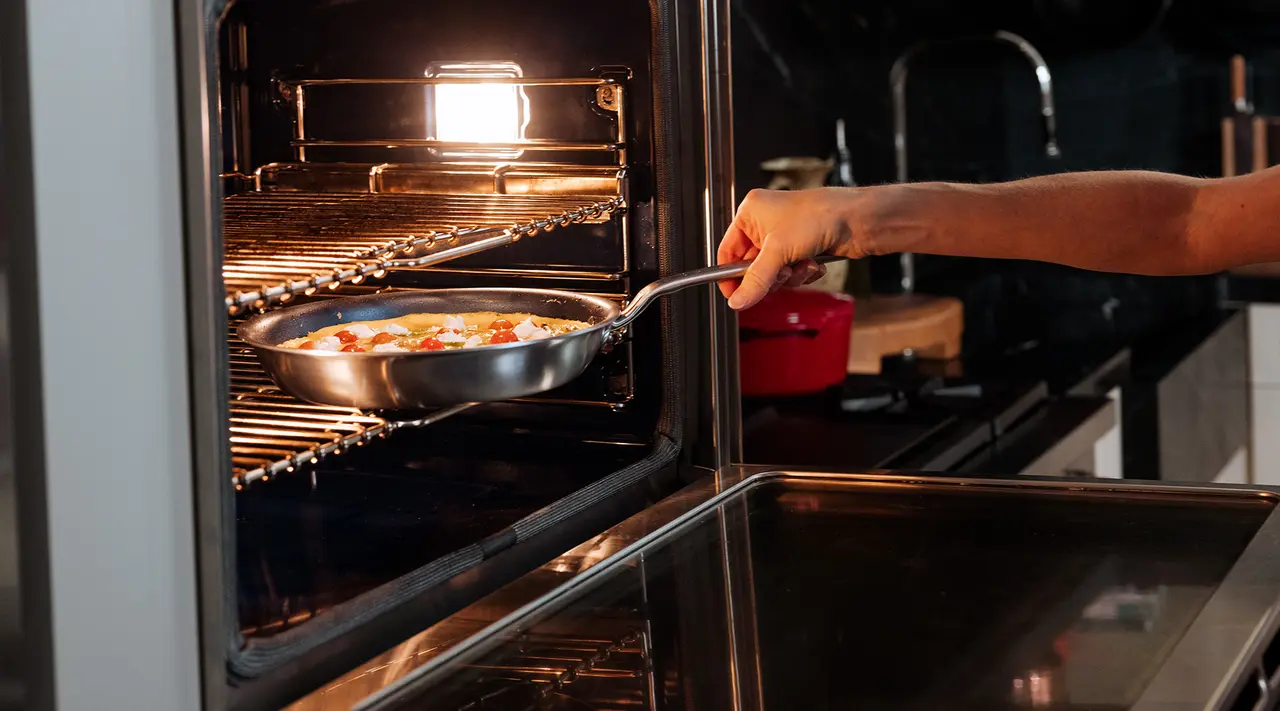
Which pans can go into the oven? A material-by-material guide
Here is how common materials behave. This is what I see in testing and in real kitchens.
- Tri-ply and 5-ply pans are often safe to 500°F.
- Bare metal handles are fine. Silicone sleeves lower the limit.
- Great for searing then roasting.
Cast iron (bare)
- Safe at very high heat. 500°F and more is normal.
- Seasoning may smoke at high heat. Use oil with a high smoke point.
- Ideal for skillet pizzas, steaks, and cornbread.
Enameled cast iron
- Usually safe to 500°F for the pot. Some lids cap at 400–450°F.
- Enamel can chip if dropped or shocked by cold water.
- Often safe to 600°F, but handles can limit this.
- Treat like cast iron. Keep it dry and oiled.
Hard-anodized aluminum
- Many are safe to 400–500°F. Check the handle and coating.
- Even heat. Lighter than cast iron.
Nonstick (PTFE)
- Common limits are 400–450°F. Do not use under a broiler.
- Keep birds out of the kitchen and avoid empty preheat at high temps.
Ceramic nonstick
- Many list 500°F. Real life use is best at 425°F or less.
- Avoid sudden heat jumps to keep the coating smooth.
Copper
- Stainless-lined copper can go to 500°F or more.
- Tin-lined copper is softer. Keep it at or below about 425°F.
Glass and stoneware
- Oven-safe by design. Not for stovetop or broiler.
- Avoid thermal shock. Do not move hot glass to cold water.
Baking aluminum sheets and cake pans
- Great for the oven. Avoid broiler if thin.
- Warps less when heavy gauge.
If you ask can pans go into the oven, the answer depends on the weakest link. The core metal may be fine. The handle, the lid, or the coating may set the cap.
 coatings: the real limiters”
style=”max-width: 100%; height: auto; border: 2px solid black; border-radius: 10px; display: block; margin: 0 auto;”
loading=”lazy”
/>
Handles, lids, and coatings: the real limiters
Handles
- Bare stainless or cast iron handles are fine up to 500°F or more.
- Silicone sleeves often cap at 400°F.
- Plastic, wood, or Bakelite can fail at 350°F or lower.
Lids
- Tempered glass lids are often 350–400°F. Do not broil them.
- Metal lids match the pan’s limit in most cases.
- Knobs can be the weak point. Many knobs cap at 350–400°F.
Coatings
- PTFE nonstick should not see 500°F or a broiler. 400–450°F is common advice.
- Ceramic nonstick may list higher temps but lasts longer at mid heat.
- Enamel is oven-safe but can chip if hit or shocked.
So, can pans go into the oven? Yes, if the handle, lid, and coating all match your target heat.
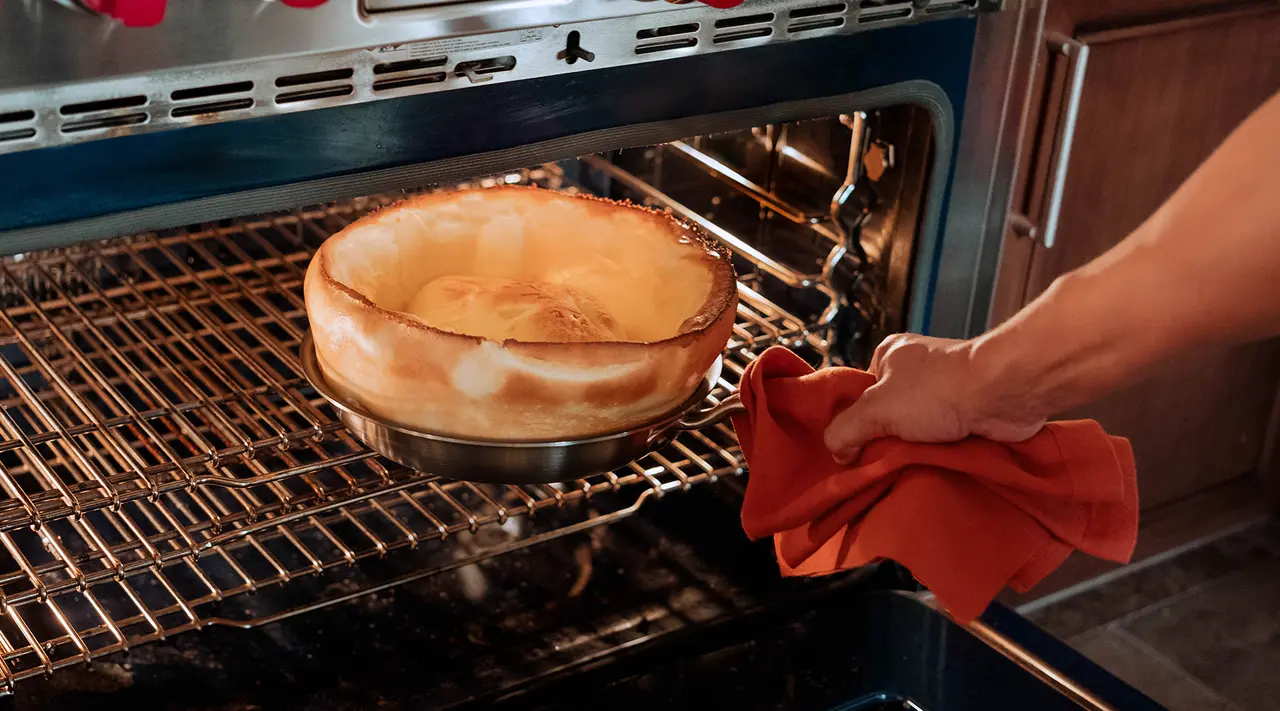
How to check if your pan is oven-safe at home
Use this quick check. It takes two minutes.
- Read the base, handle, and manual for a max temp.
- Search the model number online if the pan is older.
- Check the handle material. Bare metal is safest. Wood or plastic says no.
- Look at the lid and knob rating. The lowest number wins.
- If you still wonder, can pans go into the oven, call customer care with your model ID.
One more tip: if your pan smells like burning plastic in the oven, stop and remove it at once. That is a clear sign a part is not oven-safe.

Safe use: from stovetop to oven without warping or burns
Good moves make a big difference.
- Preheat the oven before you start searing.
- Use a light coat of high-smoke oil for cast iron and carbon steel.
- Do not preheat nonstick pans empty. Add food or liquid first.
- Keep handles dry. Wet towels can pass heat fast and burn your hand.
- Slide the pan to the center rack for even heat.
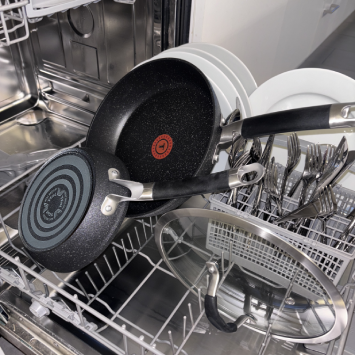
- Let hot pans rest before washing. Avoid cold water on hot metal.
I get asked a lot, can pans go into the oven right after searing? Yes, if they are oven-safe and you avoid thermal shock. Gradual heat changes help your pan last.
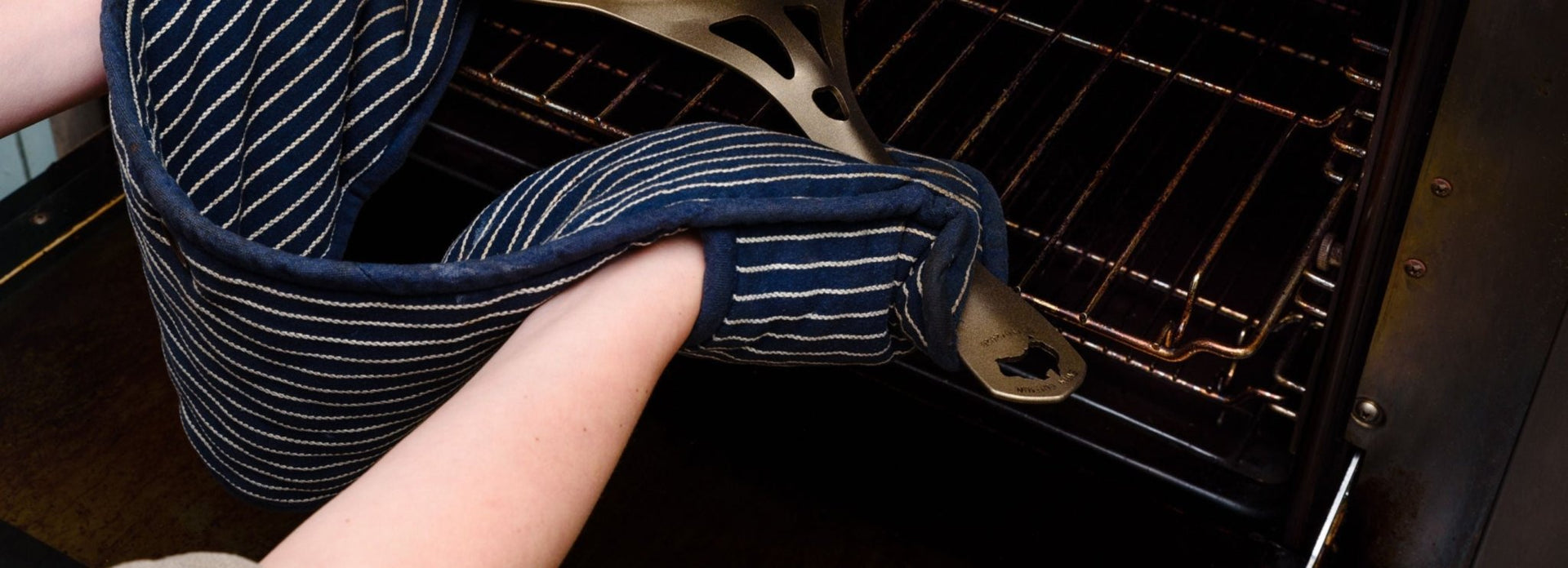
Baking vs. broiling: different rules for heat
Baking heats the whole oven. Broiling is a blast of top heat near 500–550°F. This gap matters.
- Nonstick pans should not go under a broiler.
- Many glass lids and knobs are not broiler-safe.
- Bare cast iron, carbon steel, and stainless steel do well under a broiler.
- Keep 6 inches between the food and the broiler element unless a recipe says less.
So, can pans go into the oven for broiling? Only some. Check the label. If the pan says no broiler, trust it.

Nonstick safety and health notes
Nonstick is great for eggs and fish. It needs care.
- Keep heat at or below the maker’s limit, often 400–450°F.
- Do not heat nonstick empty. Add food, oil, or water first.
- Avoid broilers and open flames on the coating.
- Vent your kitchen. Any high-heat cooking makes fumes.
A common question is can pans go into the oven if they are nonstick. Yes, many can, but at moderate heat and never under a broiler. That keeps you safe and the coating smooth.
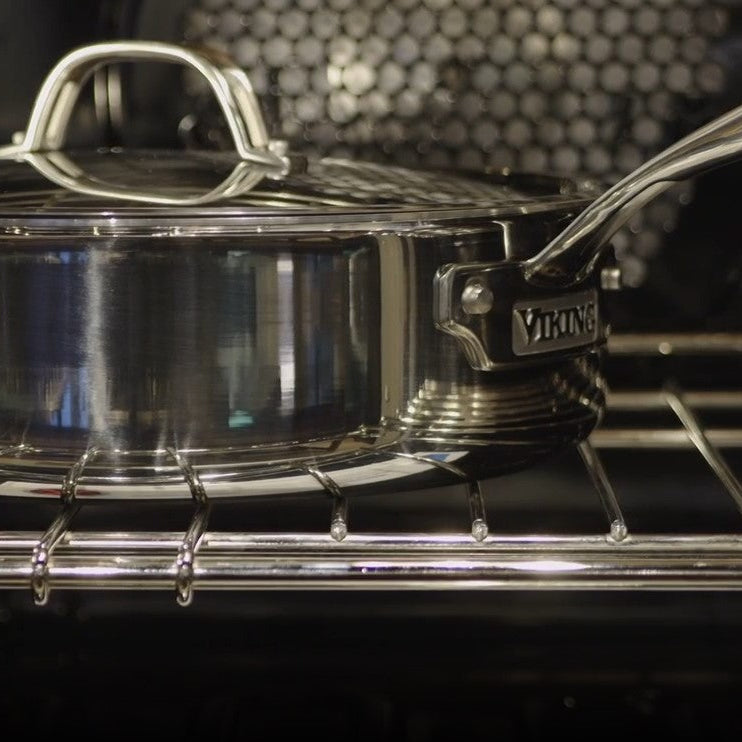
Real-world examples and lessons learned
Here are quick stories from my own kitchen and test bench.
- I once slid a skillet with a silicone sleeve into a 500°F oven. The sleeve browned and turned sticky. Since then, I remove sleeves or cap the oven at 400°F.
- A friend put a tin-lined copper pan under a broiler. The lining smeared. We had to get it relined. Now we keep that pan to 425°F tops.
- I love cast iron for sear-then-roast steaks. It goes from burner to 500°F oven with no stress at all. It is a clear yes when we ask, can pans go into the oven.
- I warped a thin baking sheet by tossing cold water on it right after use. Now I let pans cool on the stovetop first.
- My rule for nonstick is simple: 425°F max and no empty preheat. The pans last years with that habit.
These small habits answer the daily question, can pans go into the oven, with more wins and fewer mishaps.
Quick answers to related questions
Can pans go into the oven if the handle is plastic?
- No. Plastic and many composite handles soften or off-gas. Use bare metal handles for oven work.
Can pans go into the oven if they have a glass lid?
- Sometimes. Many glass lids cap at 350–400°F and are not broiler-safe. Check the knob too.
Can pans go into the oven right from the fridge?
- Not wise. Sudden heat can warp metal and crack glass. Let the pan warm up first.
Frequently Asked Questions of can pans go into the oven
Can pans go into the oven if they are stainless steel?
Yes, most stainless steel pans are oven-safe up to about 500°F. Check the handle and lid limits, as they may be lower.
Can pans go into the oven if they have a nonstick coating?
Many nonstick pans can at 400–450°F, but not under a broiler. Avoid empty preheat and use mid heat for longer life.
Can pans go into the oven with wooden handles?
No. Wood dries, cracks, and can burn. Keep wood-handled pans on the stovetop only.
Can pans go into the oven if they are cast iron?
Yes. Bare cast iron can handle very high heat. Watch for oil smoke and use oven mitts, as handles get very hot.
Can pans go into the oven when the recipe calls for broiling?
Only if the pan is broiler-safe. Avoid nonstick and most glass lids under a broiler.
Can pans go into the oven if they have silicone grips?
Sometimes. Many silicone parts are safe to 400°F. Remove sleeves for higher heat or check the maker’s limit.
Can pans go into the oven if they are hard-anodized aluminum?
Often yes, to 400–500°F, but the handle and coating set the cap. Verify the exact model rating.
Can pans go into the oven lined with tin or with copper cores?
Tin-lined copper should stay at or below about 425°F. Stainless-lined copper can go higher, often to 500°F.
Conclusion
You now have a clear map for when can pans go into the oven and when they should not. Check the whole pan, not just the body. Watch the handle, lid, and coating. Match the heat to the weakest part. Use gentle heat changes, and skip the broiler for nonstick.
Put this into action tonight. Sear on the stove, finish in the oven, and enjoy the ease of one-pan cooking. If you found this helpful, subscribe for more smart kitchen guides or drop a question in the comments.

Hi, I’m Mary, the founder of KitchenClue.com. I’m deeply passionate about everything that makes a kitchen smarter, easier, and more enjoyable. I share hands-on insights and practical expertise on kitchen gear that truly helps in daily cooking. Along with my dedicated research team, we study products carefully, and our writers create honest, well-tested reviews using trusted, authentic sources—so you can choose kitchen tools with total confidence.