Can I Put A Saucepan In The Oven: Safe Use Guide 2026
You can put some saucepans in the oven, but only if they’re oven-safe.
If you have ever asked can i put a saucepan in the oven, you are not alone. I have tested dozens of pans in home and pro kitchens, and I know the traps. In this guide, I explain what makes a saucepan oven-safe, how to check yours in seconds, the safe temperatures for each material, and simple steps to avoid damage. Stick with me, and you will know exactly when, how, and why to bake with your saucepan like a pro.
The quick breakdown: When it is safe and when it is not
When readers ask can i put a saucepan in the oven, I start with this rule. If every part of the pan is rated for your oven temperature, you are safe. That means the body, the handle, and the lid.
Watch the weak links. Plastic and wooden handles are not oven-safe. Most tempered glass lids have lower limits. Nonstick coatings have strict caps. If you are still thinking can i put a saucepan in the oven, check the handle and lid first, then confirm the temperature limit for the body.
Key red flags that say do not bake:
- Plastic, wood, or Bakelite handles that are not marked as oven-safe
- PTFE nonstick coatings near broil heat or over 500°F
- Tempered glass lids over 350 to 400°F, or with hollow knobs that trap heat
- Painted trim, glued-on decorations, or snap-on silicone parts

How to check if your saucepan is oven-safe
Here is a fast path for anyone asking can i put a saucepan in the oven.
- Look for symbols or words under the pan. Many brands stamp “Oven Safe” and a max temperature on the base.
- Check the manual or product page by model number. Brands publish specific limits for the pan, handle, and lid.
- Inspect materials. Bare stainless steel, cast iron, and carbon steel are often safe. Plastic or wood parts are not.
- If in doubt, start low. Use 300 to 350°F, no broiler, and watch for smells or softening around the handle.
Pro tip from my kitchen: I snap a photo of the stamped base and save it in my notes. That way, when I wonder can i put a saucepan in the oven mid-recipe, I have the answer in seconds.
:strip_icc()/BHG-oven-safe-skillet-hero-2680_1rrwNcHR424Ar7XISRl75a-404a2bf75be940169e049eebed3ba417.jpg)
Materials and safe temperature ranges
Different materials behave in the oven in very different ways. If you ask can i put a saucepan in the oven, the answer depends on the metal, the coating, and the handle.
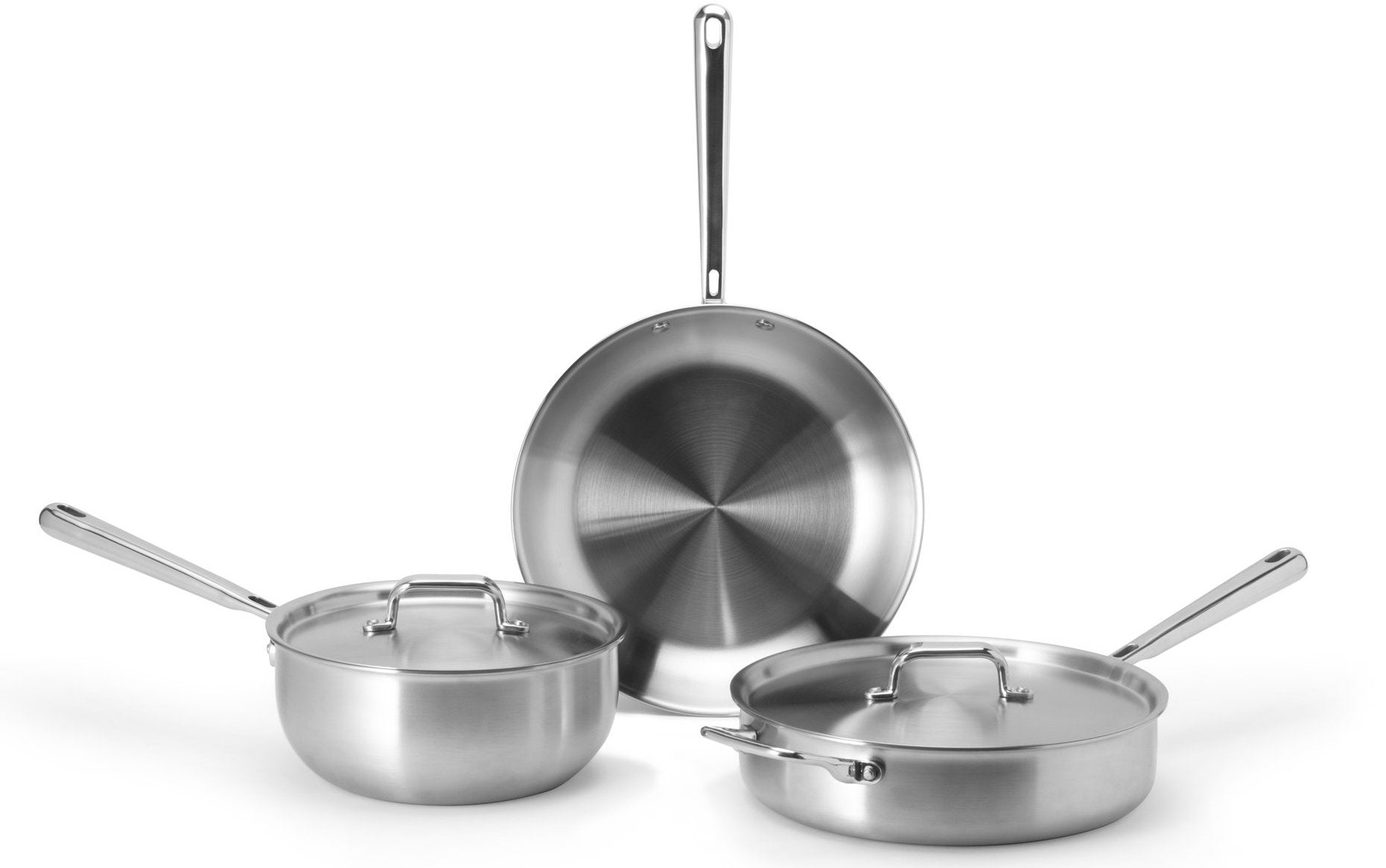
- Stainless steel body: Often safe to 500°F or higher. Excellent for sear-and-bake. Check the handle and lid rating.
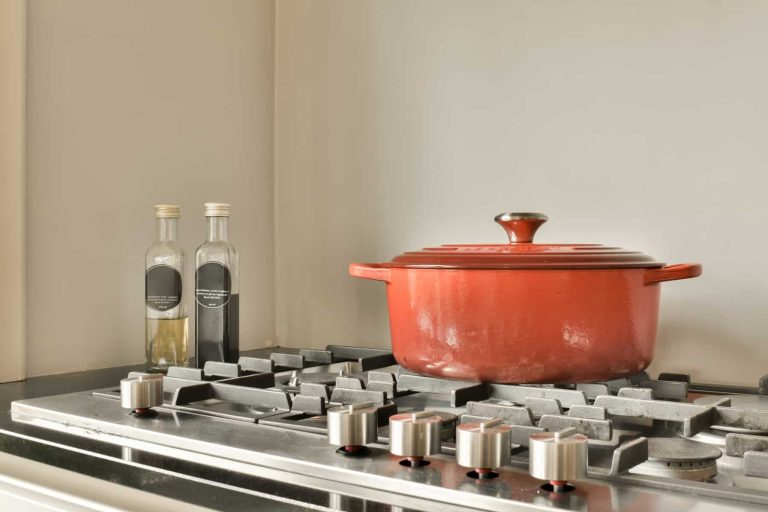
- Cast iron or carbon steel: Safe well past 500°F. Heats slow and holds heat. Seasoned surfaces prefer gentle cleaning.
- Enameled cast iron: Usually safe to 500°F. Avoid sharp thermal shocks to protect the enamel.
- Hard-anodized aluminum: Commonly safe to 400°F. Some premium lines go higher. Confirm with the brand.
- Copper with stainless lining: Often safe to 500°F, but brass or bronze handles may affect limits.
- PTFE nonstick: Typically 350 to 450°F. Avoid broiler. Overheating can damage the coating and create fumes.
- Ceramic nonstick: Often 400 to 450°F. Still avoid broiler and very high heat for long periods.
Handle and lid cheat sheet:
- Stainless steel handles: Often 500°F. Can get very hot. Use mitts.
- Silicone-wrapped handles: Usually 400 to 450°F. Do not exceed the rating.
- Bakelite or plastic handles: Often 320 to 350°F or not oven-safe at all.
- Wood handles: Not oven-safe.
- Tempered glass lids: Commonly 350 to 400°F. Knob may limit more. Avoid broiler and direct flame.

Why use the oven for saucepan cooking
Once you know the answer to can i put a saucepan in the oven, you unlock easy wins. The oven gives even heat and a calm cooking zone. This helps sauces set, grains steam, and proteins finish without scorching.
Great uses I rely on:
- Sear on the stove, finish in the oven for even doneness
- Bake eggs, custards, or crème anglaise in a water bath inside a saucepan
- Finish risotto or pilaf covered in the oven for fluffy grains
- Crisp mac and cheese with a breadcrumb cap using a quick bake
- Hold sauces at a steady low temp without hot spots

Risks and mistakes to avoid
You asked can i put a saucepan in the oven, so here are the traps I see most.
- Exceeding limits: A 450°F oven can melt low-rated handles or knobs. Always check the weakest part.
- Broiler danger: Broiler heat is intense and localized. It can blister nonstick or crack lids.
- Thermal shock: Do not add cold liquid to a hot pan fresh from the oven. Let it rest first.
- Warping: Thin aluminum can warp at high heat. Use moderate temps or a thicker pan.
- Fumes: Overheated PTFE can off-gas. Keep birds out of the kitchen and stay below rated temps.
How to put a saucepan in the oven the right way
If you still wonder can i put a saucepan in the oven, follow these simple steps. They keep your pan and your food safe.
- Confirm ratings for the pan, handle, and lid. Set the oven below the lowest limit.
- Preheat the oven. Avoid sudden blasts of heat from a cold start with a broiler.
- Use the middle rack for even heat. Keep space around the pan for air flow.
- Use dry, thick mitts. Metal handles can burn even at low temps.
- Rest the pan after baking. Set it on a dry towel or rack. Avoid cold counters and cold water.
Cleaning and care after oven use
Heat changes how food bonds to metal. Treat your pan right after baking.
- Let the pan cool. Sudden water on hot metal can warp it or crack enamel.
- Deglaze with warm water. Add a splash and loosen fond with a wooden spoon.
- For stainless or cast iron, use a non-scratch scrubber. Avoid steel wool on nonstick and enamel.
- Re-season carbon steel or bare cast iron if needed. Wipe on a thin oil layer and warm it.

Real-world examples and lessons from my kitchen
I often get messages that say can i put a saucepan in the oven right now, mid-recipe. Here is what has worked for me.
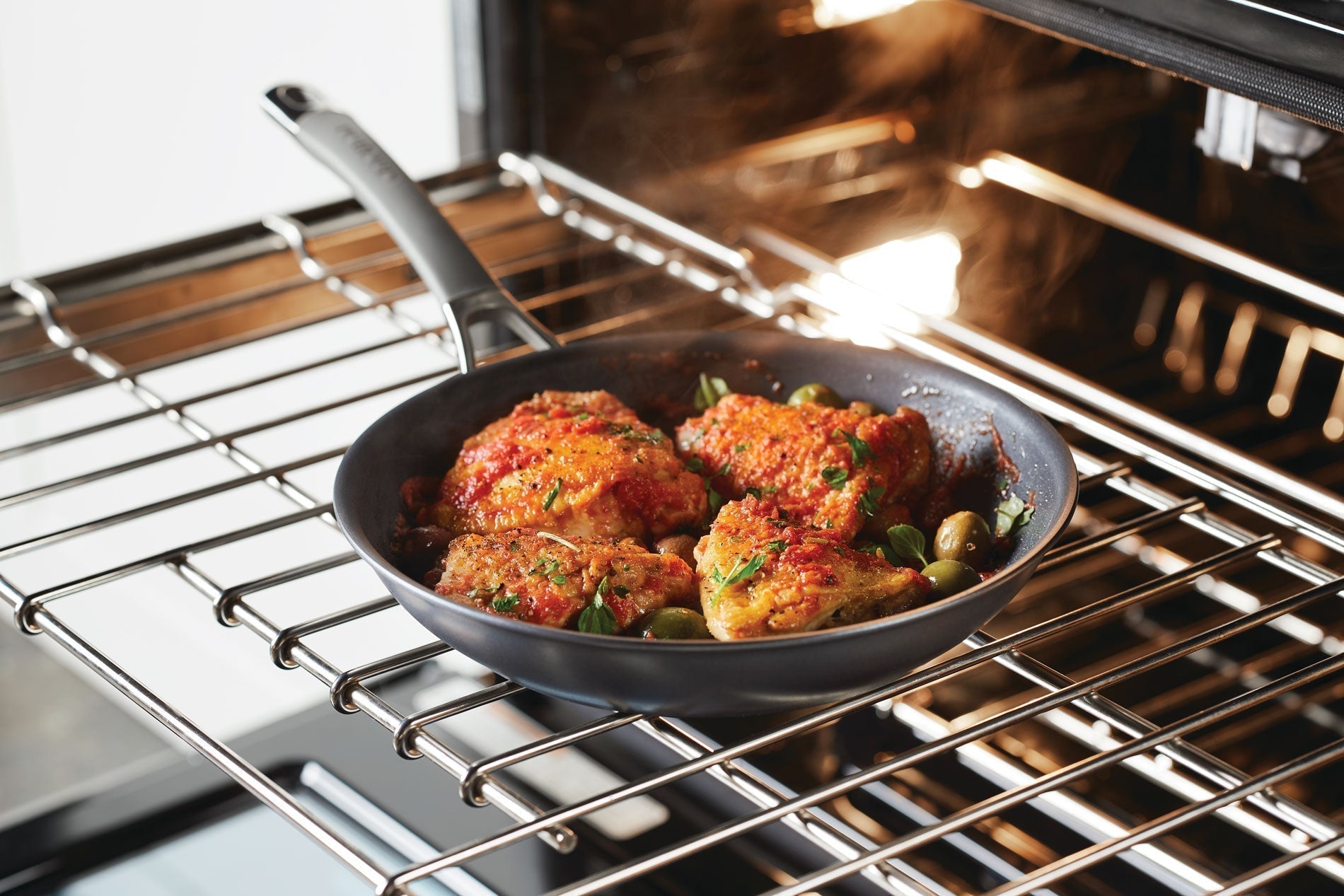
- Stainless steel win: I sear chicken thighs on the stove, then finish at 400°F for 12 minutes. The skin stays crisp, the meat stays juicy, and cleanup is simple.
- Nonstick caution: I once baked a PTFE pan at 475°F by mistake. The smell was a warning. The coating dulled. I retired that pan.
- Glass lid limit: A friend took a tempered lid to 450°F. It survived, but the knob warped. Now we cap at 375°F with glass, no broiler.
What I learned is simple. When I ask can i put a saucepan in the oven, I obey the lowest-rated part every time.

Smart alternatives if your pan is not oven-safe
If the answer to can i put a saucepan in the oven is no, you still have options.
- Transfer to a Dutch oven or cast iron skillet. Both are oven champs.
- Use a stainless mixing bowl as a lid in the oven. It can shield heat without a glass cap.
- Bake on a sheet pan and return the food to the saucepan to sauce and serve.
- For broiling, use a broiler-safe pan or rack. Keep nonstick and glass away from the element.
Frequently Asked Questions of can i put a saucepan in the oven
Can I put a saucepan with a plastic handle in the oven?
Usually no. Many plastic and Bakelite handles soften or melt at 320 to 350°F.
Can I put a saucepan in the oven if it has a glass lid?
Often yes, but most tempered glass lids top out at 350 to 400°F. Avoid the broiler.
Can I put a nonstick saucepan in the oven?
Yes if the brand allows it, but stay within 350 to 450°F. Never use the broiler.
Can I put a stainless steel saucepan in the oven?
Usually yes up to around 500°F, but the handle or lid may have a lower limit. Check the exact model.
Can I put a saucepan in the oven under the broiler?
It depends on the material and coating. Avoid broiling with nonstick or glass, and keep a large gap from the element.
Can I put a copper saucepan in the oven?
Often yes if it has a stainless lining and metal handle. Confirm the rating, since brass or decorative parts can reduce limits.
Can I put a saucepan in the oven at 450°F?
Only if the pan, handle, and lid are rated for 450°F or above. If any part is lower, reduce heat.
Conclusion
You came in asking can i put a saucepan in the oven, and now you know the clear path. Check the pan, the handle, and the lid. Follow the lowest limit, skip the broiler unless your gear allows it, and avoid thermal shock. With that, your sear-and-bake dinners, set-and-forget sauces, and oven-finished grains will shine.
Try one small oven finish this week, even at 350°F, and feel the difference in texture and ease. If this guide helped, share it with a friend, subscribe for more smart kitchen tips, or drop your question in the comments.

Hi, I’m Mary, the founder of KitchenClue.com. I’m deeply passionate about everything that makes a kitchen smarter, easier, and more enjoyable. I share hands-on insights and practical expertise on kitchen gear that truly helps in daily cooking. Along with my dedicated research team, we study products carefully, and our writers create honest, well-tested reviews using trusted, authentic sources—so you can choose kitchen tools with total confidence.