Can You Put A Dutch Oven On The Stove: Safe Use Guide 2026
Yes. You can put a Dutch oven on the stove, on most burner types.
If you have wondered can you put a dutch oven on the stove, you are in the right place. I have cooked with cast iron for years, in restaurants and at home. In this guide, I break down safety, heat control, and gear tips. You will learn how to use your Dutch oven on gas, electric, glass, and induction tops with confidence.

What is a Dutch oven and why it works on the stovetop
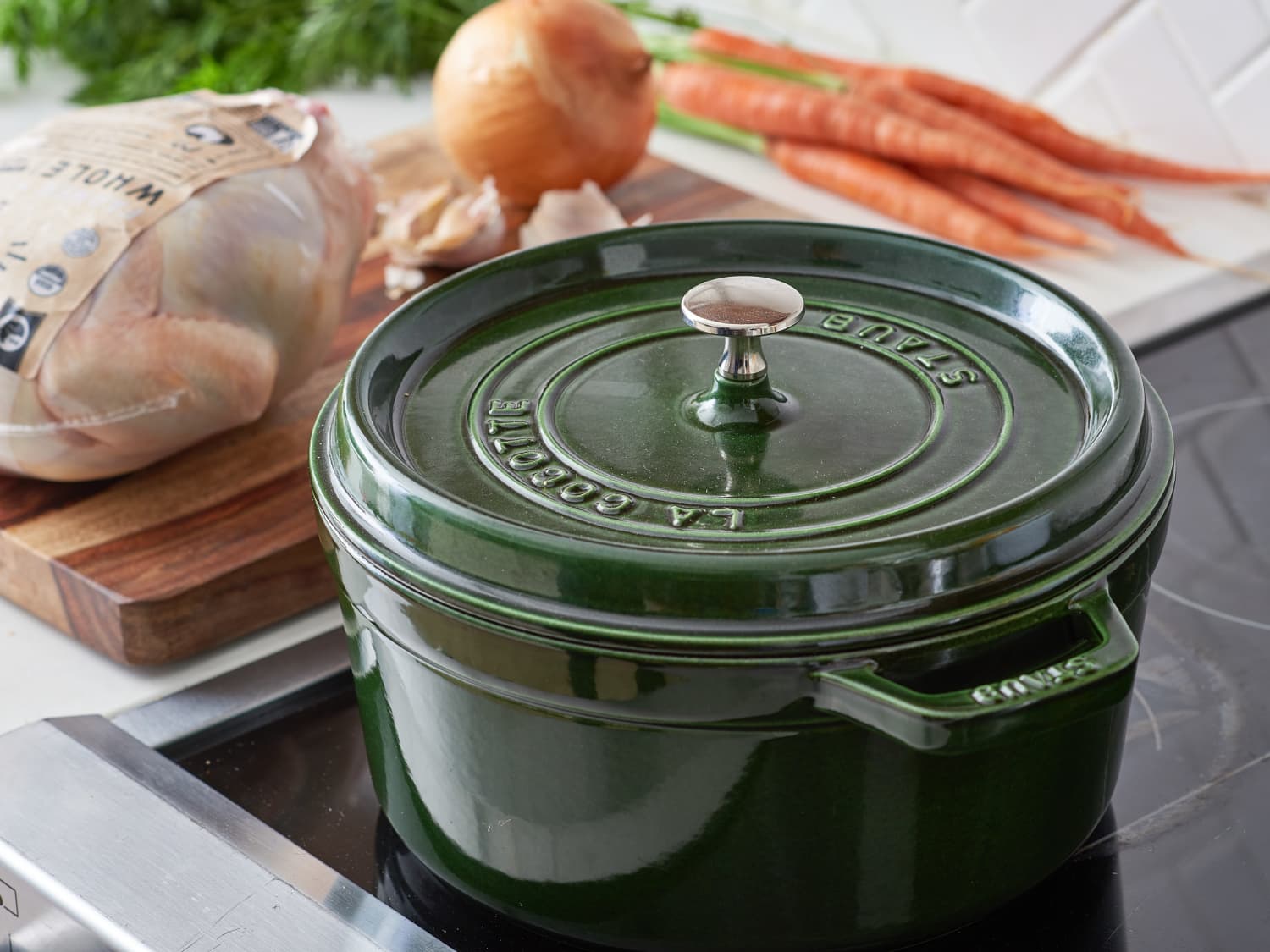
A Dutch oven is a heavy pot with thick walls and a tight lid. It is often made of cast iron or enameled cast iron. The metal holds heat well and spreads it evenly. That is why it shines on the stove.
The short answer to can you put a dutch oven on the stove is yes. A Dutch oven can boil, sear, braise, and fry. It moves from burner to oven with ease. This makes it a go-to for soups, stews, and crusty bread.
On the stove, the mass of the pot helps prevent hot spots. You can keep a gentle simmer for hours. You can also sear meat well due to the steady heat.

Is it safe? Stove types and compatibility
Many people ask, can you put a dutch oven on the stove without risk. It is safe when you follow a few rules. Let’s match pots to burner types.
Gas
Gas works great. The flame wraps the sides for even heat. Keep flames under the pot base to avoid scorching the enamel.
Electric coil
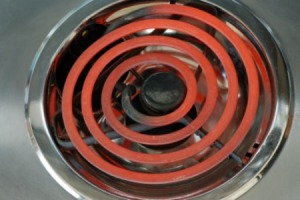
Coils also work well. Match the ring to the pot base. Use medium heat for enameled cast iron.
Glass or ceramic cooktops
You can use a Dutch oven, but take care. Lift, do not slide, to avoid scratches. Keep the bottom clean and dry to prevent burn rings.
Induction
Most Dutch ovens work on induction. Cast iron is magnetic, so it heats fast. Use a lower setting at first to avoid overshoot.
Manufacturers note that enameled cast iron is safe for all these stoves. The key is steady, moderate heat. Avoid sudden shocks to the pot or the cooktop.

Step-by-step: How to use a Dutch oven on the stove
If you ask can you put a dutch oven on the stove and get perfect results, follow this plan.
Check the base
Make sure it sits flat. A flat base gives even contact and safe heating.Preheat low and slow
Start on low. Increase to medium over a few minutes. This helps protect the enamel and reduces sticking.Add fat before high heat
Add oil or butter before searing. This prevents scorching and builds flavor.Sear in batches
Do not crowd. Brown meat in small batches. Fond will form, which you will deglaze later.Control the simmer
Once boiling, drop to low. A gentle simmer is ideal for braises and stocks.Finish and rest
Turn off the heat and let it rest for a few minutes. Cast iron holds heat, so food keeps cooking off-burner.
Pro tip from my line-cook days: use a heat diffuser on finicky electric coils. It smooths out hot spots and helps with slow simmers.
Heat control, temperature limits, and thermal shock
Here is what to know about heat. Enameled cast iron likes low to medium heat. Bare cast iron can handle higher heat, but watch for oil smoke.
Most enamel is safe up to high oven temps. On the stove, you rarely need more than medium. For deep frying, use a thermometer and stay around 350–375°F.
Thermal shock is a risk. Do not add cold liquid to a very hot pot. Do not put a hot pot under cold water. Let it cool first.
If you still wonder can you put a dutch oven on the stove for high-heat searing, yes. Just preheat with oil and keep it at medium to medium-high. Pat food dry to reduce sticking.

Common mistakes to avoid
Many mishaps happen from small habits. Here are the big ones to dodge when you think can you put a dutch oven on the stove safely.
- Sliding on a glass cooktop. Always lift to avoid scratches.
- Cranking heat to high. Use medium. Let the pot do the work.
- Pouring cold stock into a hot pot. Warm liquids first to prevent shock.
- Using metal tools on enamel. Use wood or silicone to protect the coating.
- Skipping preheat. Cold pot plus hot burner leads to sticking.
A simple fix for sticky food is patience. Wait for the sear to release. Then flip with a thin spatula.

Practical use cases and stovetop recipes
When someone asks can you put a dutch oven on the stove for daily meals, I smile. It is built for it. Here are easy wins.
- Sear and braise. Brown short ribs. Add wine and stock. Simmer on low until tender.
- One-pot pasta. Sauté garlic. Add tomatoes, pasta, and water. Simmer until al dente.
- Chili and stews. Brown meat. Add beans and spices. Slow simmer brings depth.
- Frying. Use a thermometer. The high sides reduce splatter and hold temp well.
- No-knead bread start. Warm the pot on low to take the chill off. Then move to the oven for the bake.
I often make chicken thighs on a weeknight. Sear skin-side down on medium. Add onions, stock, and lemon. Simmer covered for 25 minutes. The meat is juicy and the sauce is silky.
Care, cleaning, and maintenance
Good care keeps your pot strong. It also answers can you put a dutch oven on the stove often and still trust it.
- Let it cool before washing. Hot enamel plus cold water can crack the coating.
- Hand wash with warm water and a soft sponge.
- For stuck bits, soak and use a brush. A paste of baking soda can lift stains.
- Dry fully. For bare cast iron, rub a thin oil layer to prevent rust.
- Store with the lid ajar. This avoids trapped moisture and odors.
If food sticks, it is often heat, not the pot. Lower the flame and give it time. A gentle simmer does wonders.
Choosing the right Dutch oven for your stove
If your goal is can you put a dutch oven on the stove with top results, pick the right build.
- Size. A 5.5–7 quart pot fits most families and burners.
- Weight and base. A flat, heavy base gives even heat on all stoves.
- Material. Enameled cast iron is low-maintenance. Bare cast iron is tougher but needs seasoning.
- Color and interior. Light enamel inside helps you see browning.
- Induction-ready. Cast iron is magnetic, so it works. If buying steel, check for magnetic bases.
A smooth enamel base is kinder to glass cooktops. If your stove scratches easy, place a paper towel under the pot when measuring fit, not during cooking.
Troubleshooting: hot spots, sticking, and enamel care
You might still wonder, can you put a dutch oven on the stove and avoid hot spots. Yes. Keep these fixes in mind.
- Hot spots. Use a heat diffuser or lower the heat. Stir now and then.
- Sticking. Preheat longer on low. Add fat before raising heat. Pat food dry.
- Enamel stains. Simmer water with a spoon of baking soda. Let it sit. Rinse and dry.
- Chipped enamel. Do not cook acidic foods on exposed cast iron. If chips grow, retire the pot.
If your glass top shows rings, it is from sugar or oil burns. Clean the cooktop with a proper cream cleaner once cool.
Frequently Asked Questions of can you put a dutch oven on the stove
Can you put a Dutch oven on the stove if it’s enamel-coated?
Yes. Enameled cast iron is made for stovetop use on gas, electric, glass, and induction. Use low to medium heat to protect the enamel.
Can you put a Dutch oven on the stove on high heat?
You can, but it is rarely needed. Medium heat gives better control and prevents scorching and oil smoke.
Can you put a Dutch oven on a glass stove without damage?
Yes, if you lift instead of slide and keep the bottom clean and dry. Match the burner size and avoid sudden temperature changes.
Do you need a heat diffuser under a Dutch oven?
Not always, but it helps on electric coils or thin glass tops. It smooths heat and protects delicate sauces.
Is it safe to deep fry in a Dutch oven on the stove?
Yes, the heavy pot holds heat well. Use a thermometer, avoid overfilling, and keep oil between 350–375°F.
Can you put a Dutch oven on the stove and then into the oven?
Yes. That is a key benefit. Check that your knob and handles are oven-safe to your target temperature.
Can you put a Dutch oven on the stove when it’s empty?
Avoid heating an empty pot on high. Add oil or water during preheat to protect the enamel and prevent thermal shock.
Conclusion
You now know the full answer to can you put a dutch oven on the stove. Yes, and it is one of the best tools for steady heat, deep browning, and slow simmers. With gentle preheating, moderate flame, and simple care, your pot will serve you for decades.
Try a simple stovetop braise this week. Start with a good sear, then let a quiet simmer do the work. If this guide helped, share it, subscribe for more tips, or drop a question in the comments.

Hi, I’m Mary, the founder of KitchenClue.com. I’m deeply passionate about everything that makes a kitchen smarter, easier, and more enjoyable. I share hands-on insights and practical expertise on kitchen gear that truly helps in daily cooking. Along with my dedicated research team, we study products carefully, and our writers create honest, well-tested reviews using trusted, authentic sources—so you can choose kitchen tools with total confidence.