Can A Non Stick Skillet Go In The Oven: Oven-Safe Guide
Yes, many non-stick skillets are oven-safe, but only within specific temperature limits.
If you have ever asked can a non stick skillet go in the oven, you’re not alone. I test cookware for a living, and the truth is simple but nuanced. The answer depends on the coating, the handle, the lid, and the heat. This guide shares real kitchen experience, clear safety rules, and pro tips so you cook smarter and protect your pan. Read on to learn exactly when a non-stick skillet can go in the oven, how hot it can go, and what to avoid.

What Oven-Safe Actually Means For Non-Stick Skillets
Oven-safe means the skillet and every attached part can handle a certain oven temperature. That includes the coating, handle, screw caps, and lid. It also includes any silicone grip and the knob on the lid.
Most makers test to a max rating. You will see numbers like 350°F, 400°F, 450°F, or 500°F. The lowest-rated part sets the real limit. If the handle is only safe to 350°F, that is your ceiling, even if the coating can take more. So, can a non stick skillet go in the oven? Yes, if the whole pan is rated for it.

Materials, Coatings, And Temperature Limits
Not all non-stick is the same. Know your coating and your handle before you bake or roast.
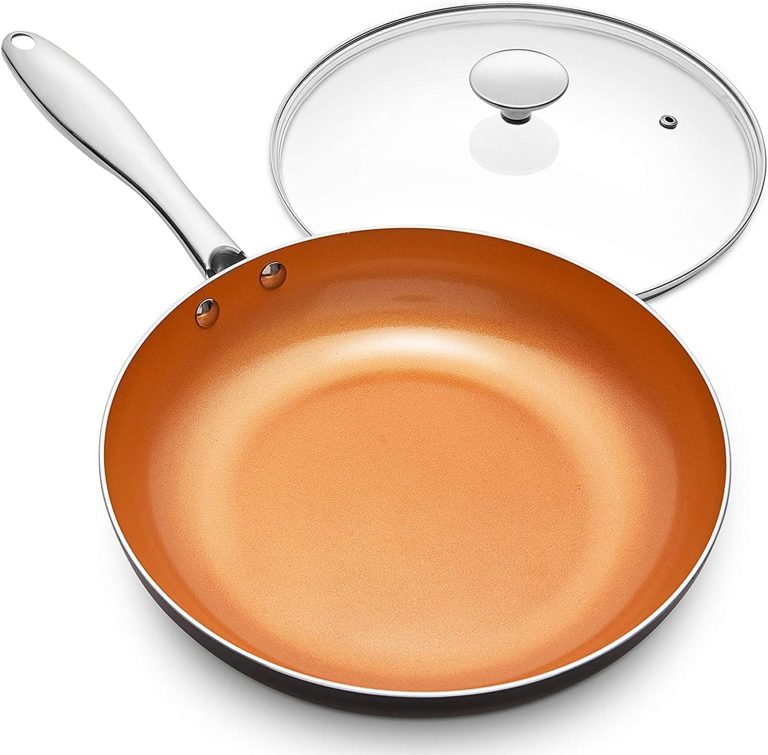
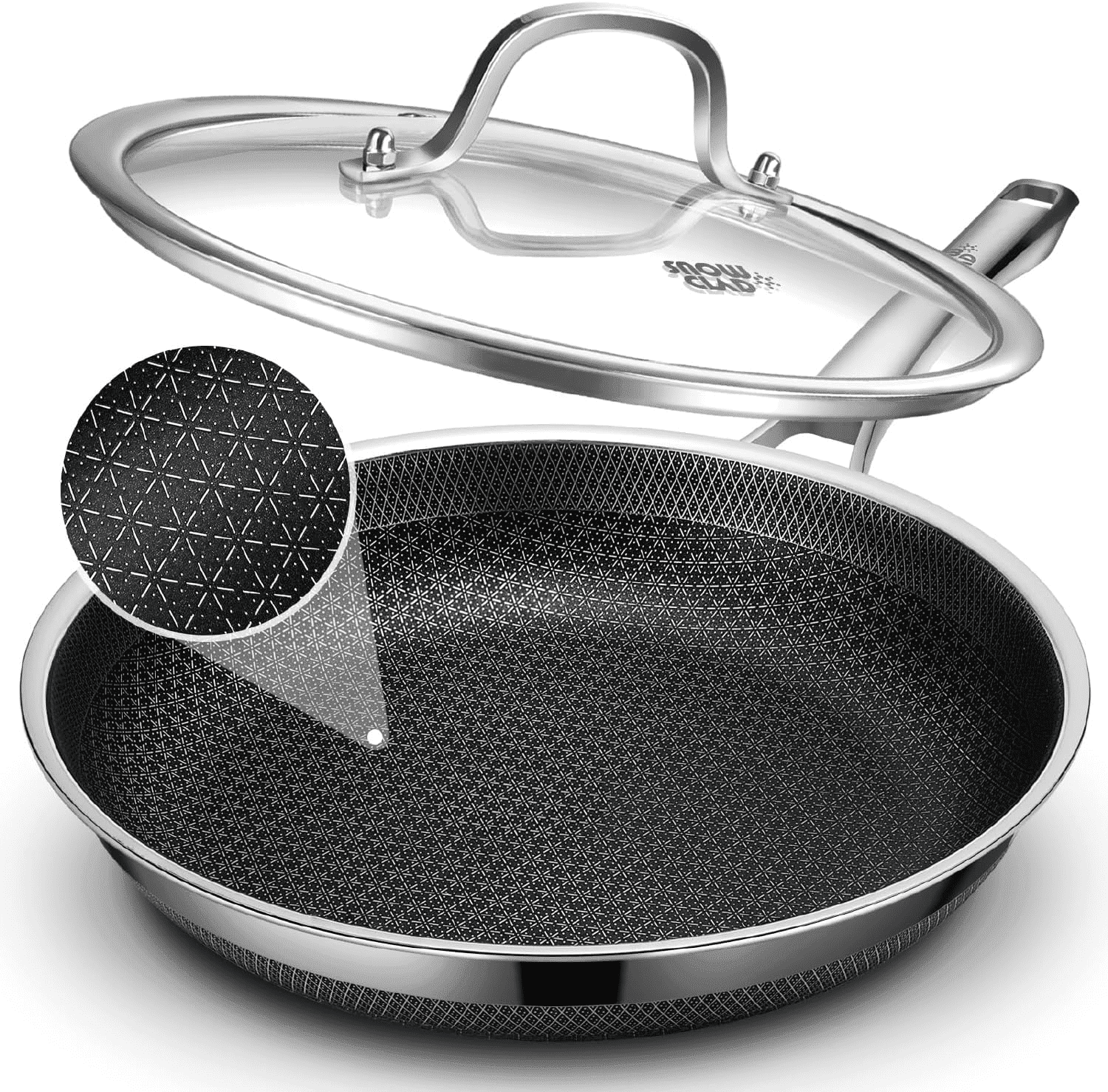
- PTFE coating, often called Teflon: Many pans are safe up to 400 to 500°F. Avoid the broiler. Dry, empty PTFE pans overheat fast.
- Ceramic non-stick coating: Many are safe to 450 to 600°F. Still avoid the broiler and sudden heat shocks.
- Hard-anodized aluminum bodies: Great heat spread. The body is fine. The handle or lid often sets the limit.
- Stainless steel handles: Often safe to 500°F. They get very hot. Use mitts.
- Silicone grips: Many are safe to about 400 to 428°F.
- Phenolic or Bakelite handles: Often safe only to 320 to 350°F.
- Glass lids: Commonly rated 350 to 400°F. Check the knob and gasket rating.
Broilers and open flames can exceed 600°F. That can damage a non-stick coating. It can also discolor the pan or warp it. When in doubt, ask the maker. If you still wonder, can a non stick skillet go in the oven, match your pan’s rating with your recipe temp.
How To Tell If Your Non-Stick Skillet Can Go In The Oven
You can confirm oven safety in a few quick steps.
- Check the bottom stamp. Many pans list the oven-safe temp on the base.
- Read the manual or the product page. Search the model number.
- Inspect the handle. Plastic or wood means keep it off high heat. Removable handles help.
- Look at the lid. Glass is often fine at moderate heat. The knob may be the weak point.
- Do a low-temp test. Bake at 300°F for 15 minutes. Look for smells, softening grips, or loose screws.
If you still ask, can a non stick skillet go in the oven, follow those steps first. A few minutes of checking can save your pan.

Safety, Health, And Common Myths
There is a lot of lore out there. Here is what matters.
- Off-gassing risk grows if PTFE is overheated. Keep temps at or below the stated max. Never preheat a non-stick pan empty in a hot oven.
- PFOA is no longer used in modern PTFE non-stick in most markets. The concern now is heat abuse, not PFOA.
- Scratches expose the base metal. The pan may still work, but food can stick more. Replace a badly damaged pan.
- The broiler is not your friend. It exposes pans to direct radiant heat above most ratings.
- Foil on the handle is not a fix. It will not raise the safe temp.
These points matter for anyone wondering, can a non stick skillet go in the oven without harm. Respect the limits, and the pan will last longer.
Best Practices When Using A Non-Stick Skillet In The Oven
Use these steps for safe, repeatable results.
- Preheat the oven, not the empty pan. Add food or a bit of liquid before the skillet goes in.
- Keep temps within the pan’s rating. If it says 400°F max, aim for 375 to build in a buffer.
- Skip aerosol sprays. They can leave sticky residue and smoke.
- Move from stove to oven fast. Do not let oil sit and smoke.
- Use two mitts. Non-stick pans are light and can twist when hot.
- Avoid sudden chills. Let the hot pan cool on a trivet before washing.
Follow these habits each time. If someone asks you, can a non stick skillet go in the oven, you can say yes, and you can also show them how to do it right.

Practical Use Cases, Recipes, And My Experience
I use non-stick in the oven for weeknight wins.
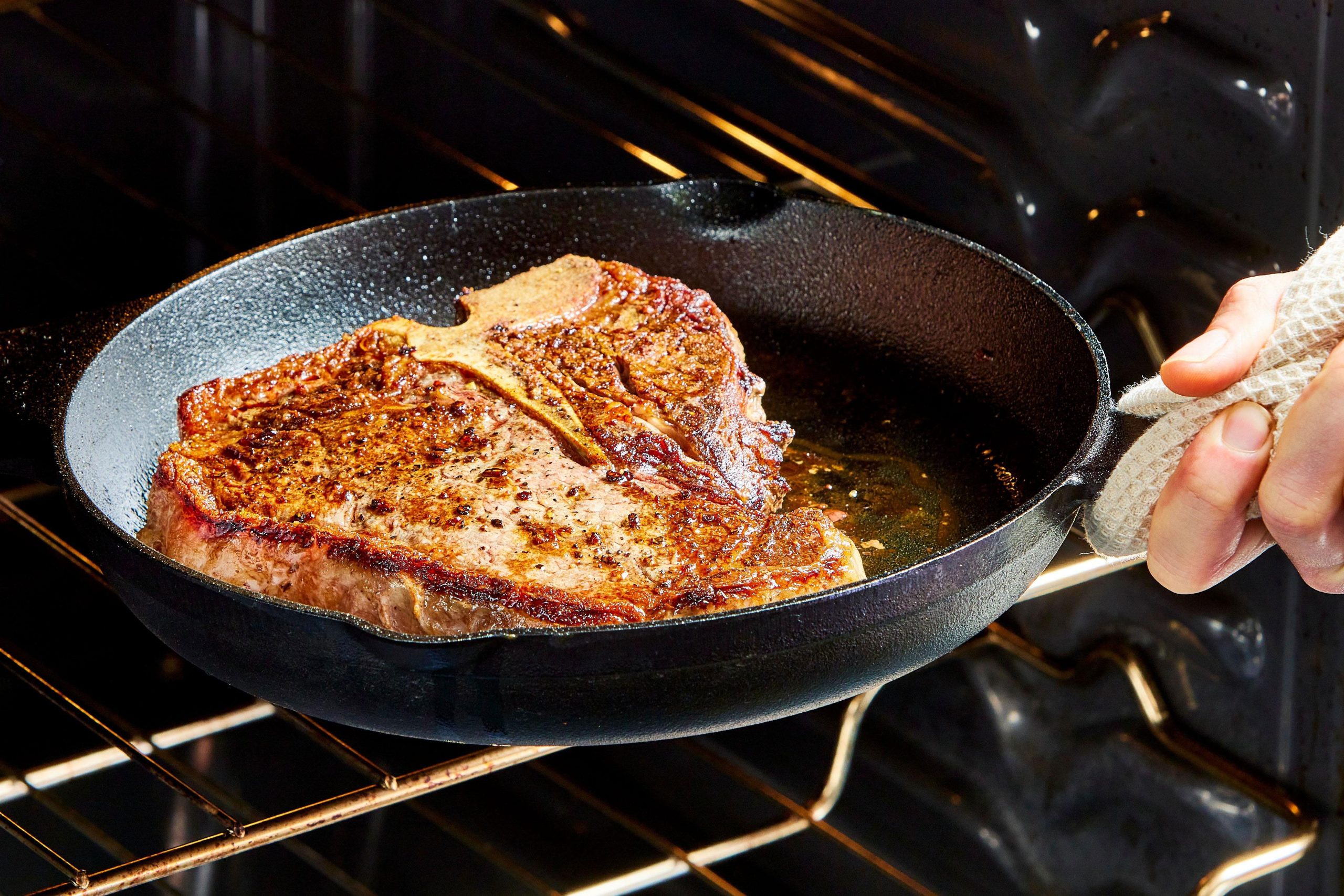
- Frittata at 375°F: Start on the stove, add eggs, then finish in the oven. My 10-inch PTFE skillet works great up to 400°F. I learned to skip the broiler finish to protect the coating.
- Crispy salmon at 400°F: Sear skin side down, then bake for 6 to 8 minutes. The skin releases cleanly when you do not crowd the pan.
- Chicken thighs at 425°F: I swap to 400°F for non-stick safety. Browning still happens with time and space.
- Cornbread at 400°F: Works, but I prefer cast iron for deeper crust. Non-stick releases like a dream though.
My early mistake was baking at 450°F with a pan that had a phenolic handle. The handle softened, and the screw loosened. The skillet survived, but I learned fast. Since then, any time I think, can a non stick skillet go in the oven for this recipe, I check the handle first.
Care, Cleaning, And Lifespan After Oven Use
Good care keeps non-stick slick.
- Let it cool on a rack. Do not shock it with cold water.
- Wash with warm water, a soft sponge, and mild soap.
- Skip steel wool. Use nylon or a soft brush for stuck bits.
- Dry fully. Store with a soft liner to prevent scuffs.
- Use wood, silicone, or nylon tools. Avoid metal edges.
A gentle routine helps a pan last. If you often wonder, can a non stick skillet go in the oven and still last years, the answer is yes with careful cleaning and lower heat.
:strip_icc()/BHG-oven-safe-skillet-hero-2680_1rrwNcHR424Ar7XISRl75a-404a2bf75be940169e049eebed3ba417.jpg)
Alternatives When You Should Not Use The Oven With Non-Stick
Sometimes, another pan is the better pick.
- Use cast iron for high heat, broiling, and deep browning.
- Use stainless steel for pan sauces and fond-rich sears.
- Use carbon steel for quick sear and high-heat finish.
- Use a sheet pan for broiler work or high-roast veg.
If the recipe needs 500°F or broiler-level char, skip non-stick. When the question is can a non stick skillet go in the oven for this dish, match the cookware to the heat first.
Frequently Asked Questions of can a non stick skillet go in the oven
Can a non stick skillet go in the oven at 400°F?
Usually yes, if the handle and lid are rated for 400°F. Check the exact model rating to be safe.
Can a non stick skillet go in the oven with a plastic handle?
Only if the maker says so. Many plastic or phenolic handles are limited to about 320 to 350°F.
Can I put a non-stick skillet under the broiler?
It is not recommended. Broilers can exceed safe limits fast and can ruin the coating or handle.
How do I know if my non-stick lid is oven-safe?
Check the glass rating and the knob material. Many glass lids are safe to 350 to 400°F, but knobs vary.
Will oven use shorten the life of my non-stick pan?
High heat and dry heating can shorten its life. Stay below the max temp and avoid broiling to extend it.
Can a non stick skillet go in the oven if it says dishwasher safe?
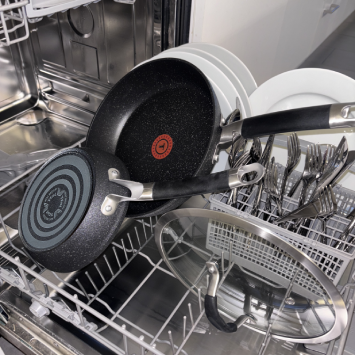
Dishwasher safe does not mean oven safe. Look for a clear oven temperature rating from the maker.
Is ceramic non-stick better for oven use than PTFE?
Both can work well. Many ceramic pans allow higher temps, but always follow the lowest-rated part of the pan.
Conclusion
Yes, a non-stick skillet can go in the oven when the whole pan is rated for it, and when you keep temps within limits. Check the handle, lid, and coating, and skip the broiler. Use gentle cleaning and smart heat to keep the surface slick for years.
Put this guide to work tonight. Choose the right pan, set a safe temp, and make that stove-to-oven frittata or salmon with confidence. If this helped, share it with a friend, subscribe for more kitchen tips, or drop a question in the comments.

Hi, I’m Mary, the founder of KitchenClue.com. I’m deeply passionate about everything that makes a kitchen smarter, easier, and more enjoyable. I share hands-on insights and practical expertise on kitchen gear that truly helps in daily cooking. Along with my dedicated research team, we study products carefully, and our writers create honest, well-tested reviews using trusted, authentic sources—so you can choose kitchen tools with total confidence.