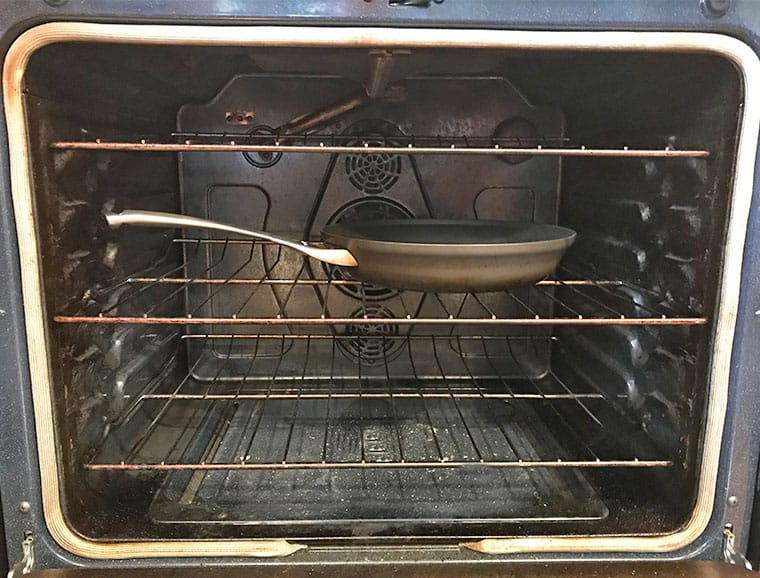
Can You Put Frying Pan In Oven: Safety Tips & Temps
Yes, many frying pans can go in the oven, but materials and handles set limits.
If you have ever paused mid-recipe wondering can you put frying pan in oven, you are not alone. I test pans for a living, and the answer depends on build, coatings, and temperature. This guide breaks down what is safe, what is not, and how to get perfect results without warping a pan or ruining a handle. Stick with me and you will know exactly when, why, and how to slide that skillet into the heat.
:strip_icc()/BHG-oven-safe-skillet-hero-2680_1rrwNcHR424Ar7XISRl75a-404a2bf75be940169e049eebed3ba417.jpg)
How to know if your frying pan is oven-safe
When people ask can you put frying pan in oven, they are really asking about risk. A pan is a system. The body, handle, lid, and coatings all react to heat. If one part fails, the whole pan fails.
Look for three signs. First, the manufacturer’s mark on the bottom or in the manual. Second, a clear oven-safe temperature rating for the pan, the handle, and the lid. Third, the type of coating, since some finishes break down faster than metal.
As a rule of thumb, full metal pans with metal handles are more likely to be safe. Plastic, wood, and low-temp silicone set hard limits. If a lid has a plastic knob, it may cap the temperature even if the pan can take more.

Oven-safe materials and temperature guide
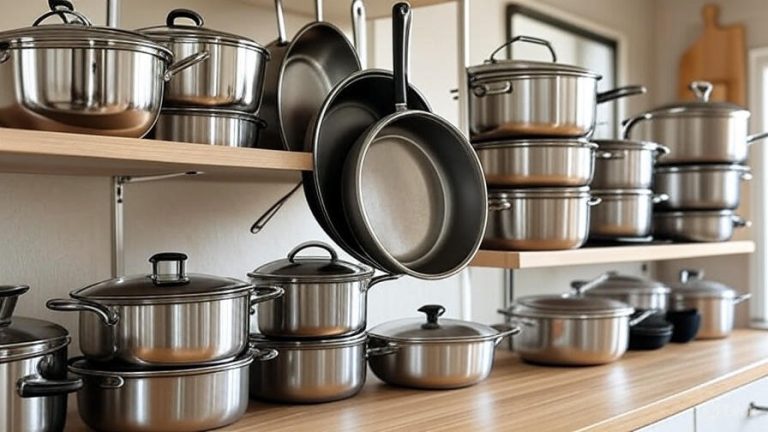
If you search can you put frying pan in oven, you need a simple map. Use these common materials and typical safe ranges as a starting point. Always confirm with your model’s manual.
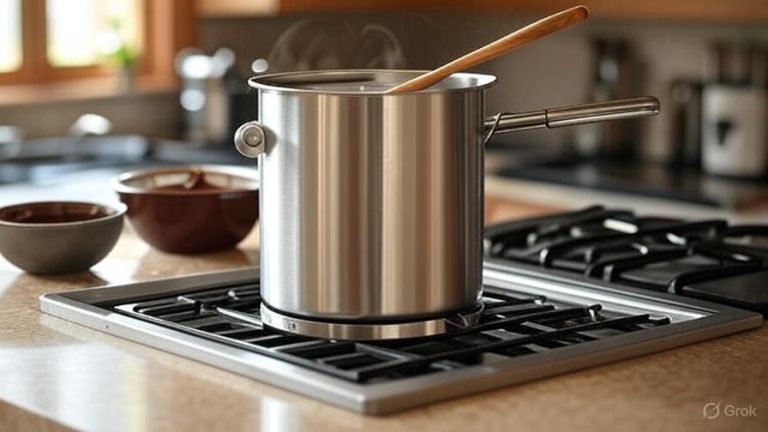
- Cast iron: Usually safe up to 500°F or higher. Seasoning can smoke; that is normal.
- Enameled cast iron: Often 450–500°F. Watch the lid knob if it is plastic.
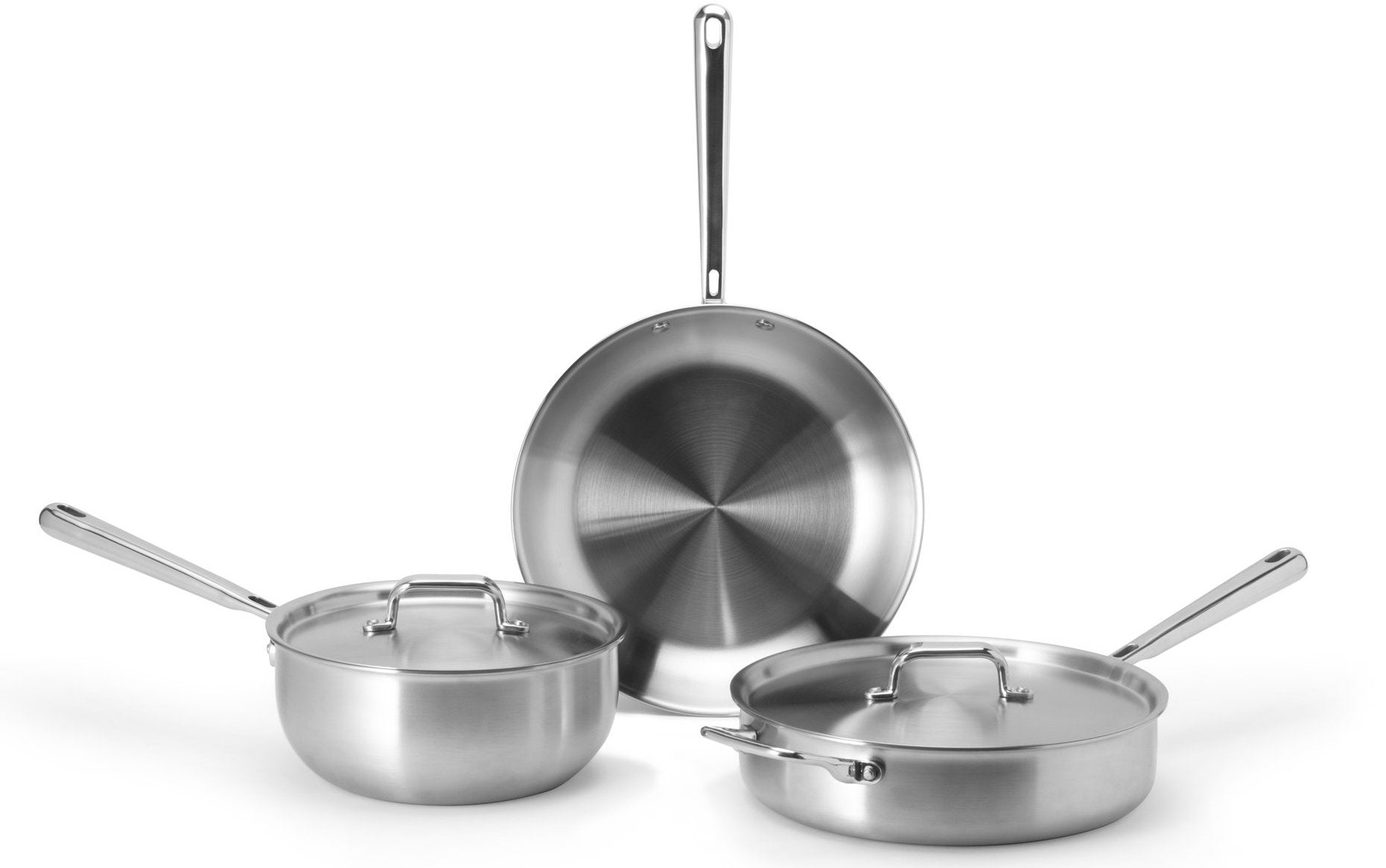
- Stainless steel (uncoated): Commonly 500°F. Some lines list 600°F. Check rivets and handles.
- Carbon steel: Often 500°F. Like cast iron, it can handle high heat and the broiler if uncoated.
- Hard-anodized aluminum: Usually 400–500°F. Nonstick layers may lower the cap.
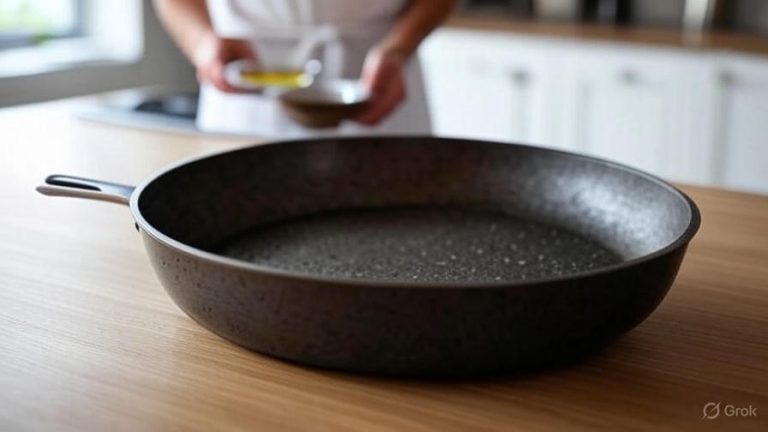
- PTFE nonstick (traditional): Often 350–500°F. Many brands cap at 400–450°F. Avoid the broiler.
- Ceramic nonstick (sol-gel): Commonly 400–600°F. Coating life drops at high heat.
- Tempered glass lids: Usually 350–400°F. Knobs can limit to 350°F.
- Handles
- Stainless or cast stainless: Often 500°F.
- Silicone: Often 400°F.
- Bakelite or phenolic: Often 320–350°F.
- Wood: Not oven-safe.
The weak link sets the limit. Even if the body is safe at 500°F, a 350°F handle caps the whole setup. This is the key when deciding can you put frying pan in oven.
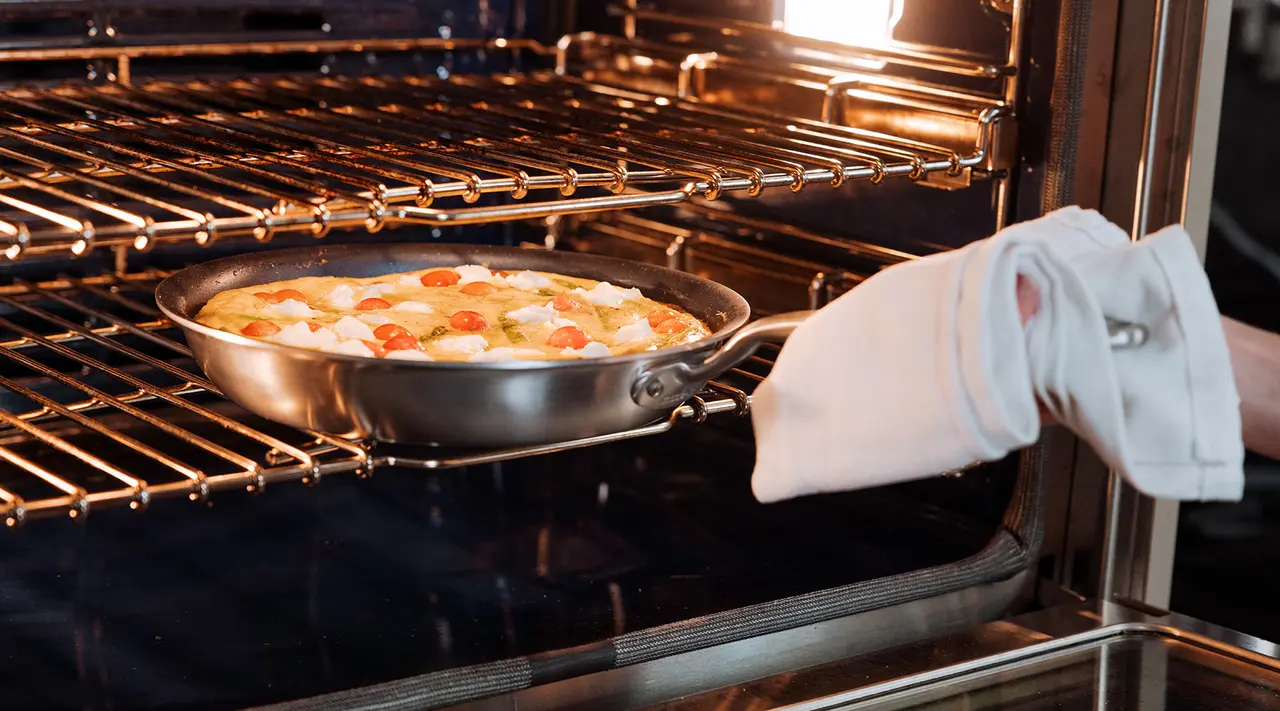
How to check your pan before using the oven
Before you act on can you put frying pan in oven, run through this quick check. It takes one minute and can save a pan.
- Read the bottom stamp. Look for an oven icon and a temperature.
- Check the handle. If it is plastic, Bakelite, or wood, do not bake.
- Inspect the lid and knob. Glass may be fine, but many knobs are not.
- Confirm coating type. Nonstick needs lower heat and no broiler.
- Scan the manual or brand site. Search your model number for the rating.
- When in doubt, call customer care. They will give you a clear number.
If anything is unclear, assume the lower limit. That is the safe path when you are not sure about can you put frying pan in oven.

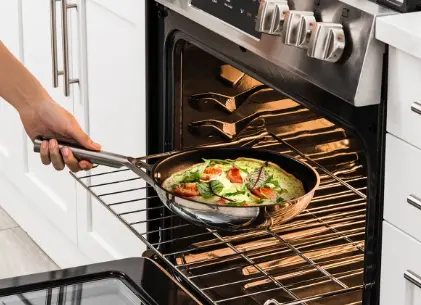
Safe method: Using a frying pan in the oven
Can you put frying pan in oven and still get top results? Yes. Follow this simple playbook I use in the test kitchen.
- Preheat the oven. Hot ovens give even results and reduce sticking.
- Set a rack in the center. Avoid direct proximity to the broiler element.
- Start on the stove if needed. Sear, then move the whole pan to the oven.
- Mind the oil. Use high-smoke-point oils like avocado or refined canola.
- Watch the temp cap. Stay at or below the lowest-rated component.
- Use two mitts. The handle will be blazing hot; treat it like molten glass.
- Mark the handle with a towel. A visual cue prevents painful grabs.
- Rest the food. Move the pan to a cool trivet and let food settle.
- Clean after cool-down. Never shock a hot pan under cold water.
This routine is fast, safe, and repeatable. It also answers can you put frying pan in oven with confidence, not guesswork.

Mistakes to avoid
Small errors can wreck a pan or meal. If you keep asking can you put frying pan in oven, these pitfalls are why.
- Broiling a nonstick pan: PTFE can degrade at high radiant heat. Use bare metal only.
- Ignoring the handle limit: A 350°F handle will soften or crack above its cap.
- Dry-heating an empty nonstick: Coatings overheat fast when empty.
- Cold shock: Do not rinse a hot pan under cold water. Warping is forever.
- Oven spray on nonstick: It can gum the surface and shorten life.
- Blocking airflow with crowded pans: It slows cooking and browns poorly.
I learned the handle lesson the hard way with an inherited skillet. One roast at 425°F and the pretty handle turned soft. Since then, I read the cap first.

Why bake or finish food in the pan
People ask can you put frying pan in oven because they want better food with less mess. Moving a hot pan from stove to oven gives several wins.
- Even heat for thick cuts: The oven cooks edges and center more evenly.
- Better crust control: Sear on the stove, finish gently in the oven.
- Less splatter: High sides keep oil and juices contained.
- One-pan dinners: Brown, bake, and serve from the same skillet.
- Hands-free time: Let the oven work while you prep a salad or sauce.
Once you feel the flow, can you put frying pan in oven stops being a worry and becomes your go-to move.

Real-world examples and tips from my kitchen
I use the oven move at least twice a week. Here are simple, repeatable ideas to make can you put frying pan in oven pay off fast.
- Steakhouse ribeye: Sear 2 minutes per side in a cast iron pan. Slide into a 425°F oven for 4–6 minutes for medium-rare. Rest 5 minutes.
- Frittata: Cook veggies in a nonstick, then add beaten eggs. Bake at 375°F for 8–12 minutes until just set. Loosen the edges and serve.
- Crispy chicken thighs: Brown skin-side down in stainless. Bake at 425°F for 15–20 minutes to reach 175°F in the thigh.
- Skillet salmon: Sear flesh-side down 2 minutes. Flip, then bake at 400°F for 6–8 minutes.
- Pan pizza: Stretch dough in a carbon steel pan. Bake at 500°F for 12–15 minutes until the cheese blisters.
Two lessons I share often. First, do not tent foil on nonstick; trapped steam can dull the coating. Second, set a timer 2 minutes earlier than you think. You can always add time, but you cannot un-overcook.
And yes, can you put frying pan in oven is the right question for all of these. The answer is clear when you match pan type and temp to the job.
Frequently Asked Questions of can you put frying pan in oven
Can you put frying pan in oven with a plastic handle?
Usually no. Plastic and many phenolic handles soften or melt around 320–350°F, even if the pan body is safe.
Can you put frying pan in oven under the broiler?
Only if it is bare metal with a metal handle and no nonstick. Broilers blast direct radiant heat that can ruin coatings and many knobs.
Can you put frying pan in oven if it is nonstick?
Yes, within limits. Most nonstick pans cap at 400–450°F, and you should avoid the broiler to protect the coating.
Can you put frying pan in oven with a glass lid?
Often at 350–400°F, but check the knob rating. If the knob is plastic or wood, remove the lid or keep temps lower.
Can you put frying pan in oven without preheating?
You can, but results suffer. Preheating gives even cooking and better browning, and it protects coatings from uneven heat spikes.
Can you put frying pan in oven for an hour?
Yes, if the pan and handle are rated for the temperature and duration. For long bakes, stay 25°F below the max to be safe.
Conclusion
You can put frying pan in oven when the whole system can take the heat and time. Match the pan’s build to your target temperature, mind the handle and lid, and skip the broiler for nonstick. The payoff is better browning, even cooking, and fewer dishes.
Try one skillet meal this week and see the difference. Read your pan’s rating, set the oven, and go for it. If this helped, subscribe for more kitchen-tested guides or drop a comment with your favorite oven-safe pan and recipe.

Hi, I’m Mary, the founder of KitchenClue.com. I’m deeply passionate about everything that makes a kitchen smarter, easier, and more enjoyable. I share hands-on insights and practical expertise on kitchen gear that truly helps in daily cooking. Along with my dedicated research team, we study products carefully, and our writers create honest, well-tested reviews using trusted, authentic sources—so you can choose kitchen tools with total confidence.