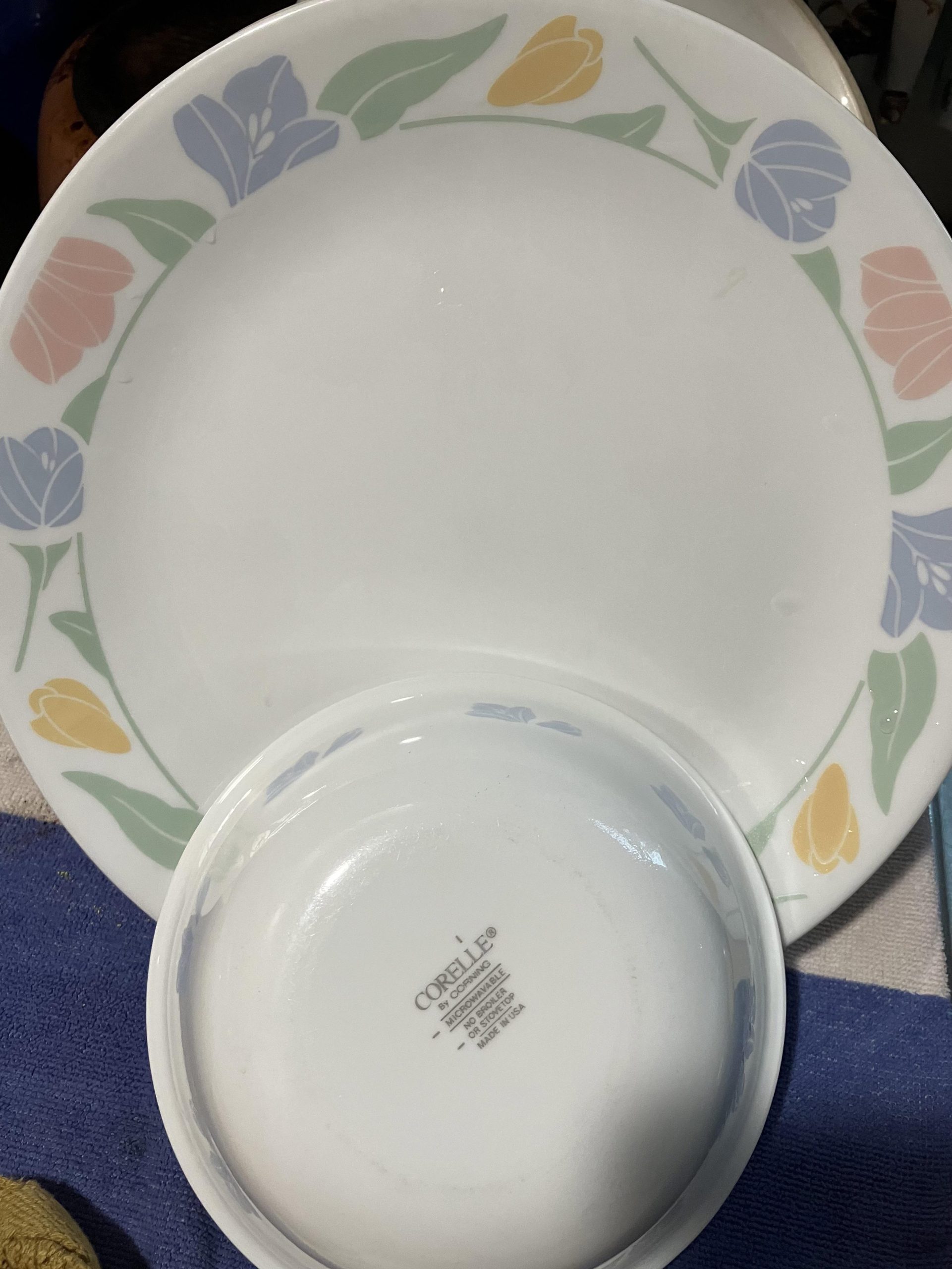
Can You Put Corelle Plates In The Oven: Safe Use Guide 2026
Yes—most Corelle plates are oven-safe up to 350°F in a preheated oven.
If you’ve ever wondered can you put corelle plates in the oven, you’re in the right place. I work with cookware daily, test gear often, and I’ve used Corelle for years at home. In this guide, I’ll break down how Corelle behaves in heat, share real tips from my kitchen, and answer the exact safety questions people ask before they bake or reheat with Corelle dinnerware. Read on to cook with confidence.
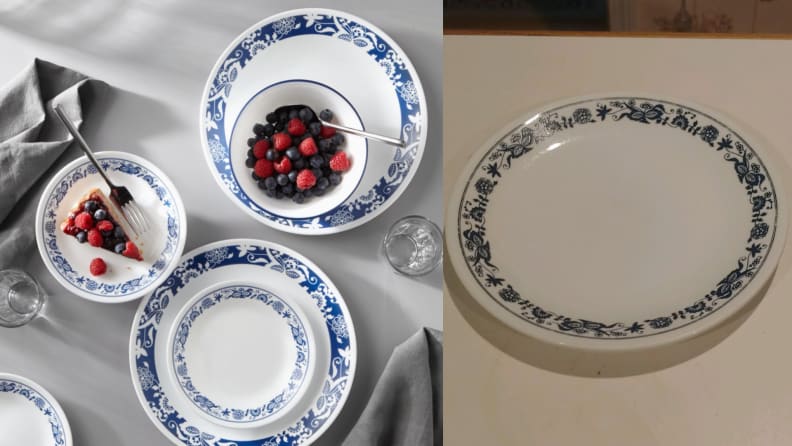
What Corelle Plates Are Made Of
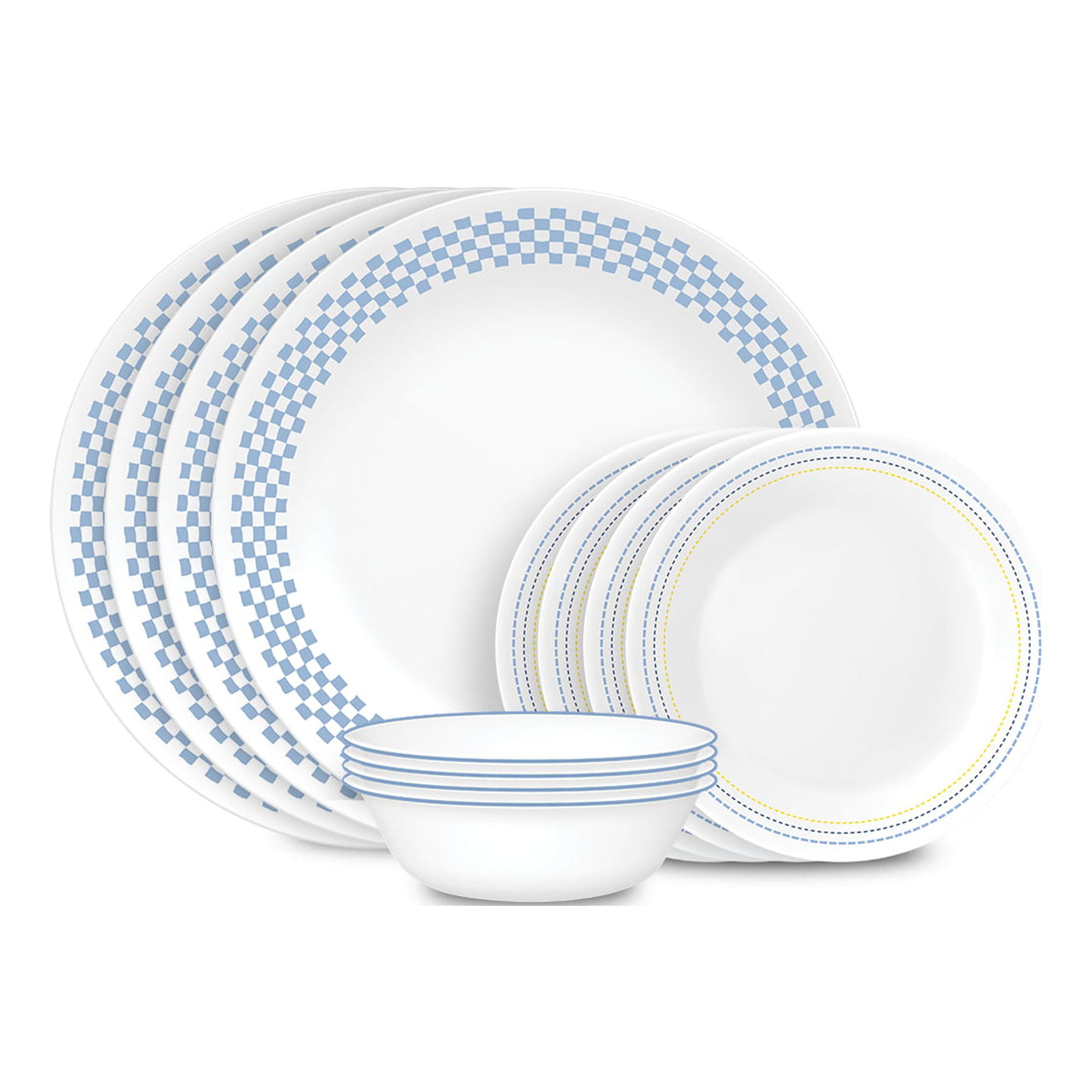
Corelle plates are made from Vitrelle, a unique, three-layer tempered glass. It is light, strong, and resists chips better than many ceramic plates. This material spreads heat well and handles normal kitchen swings in temperature.
The big win is how thin and durable it feels. That is why a Corelle dinner plate can be both easy to lift and sturdy in daily use. Most modern Corelle pieces are microwave and dishwasher safe. Vintage pieces with metallic rims are not microwave safe, and you should treat them with extra care in any heat.
Is It Safe To Put Corelle Plates In The Oven?
If you’re asking can you put corelle plates in the oven, the short answer is yes, within limits. Manufacturer guidance rates Corelle dinnerware as oven-safe up to 350°F (177°C) in a fully preheated conventional or convection oven. Do not use Corelle under a broiler, on a stovetop, or on a grill.
What about toaster ovens? Heat elements sit very close in many toaster ovens, so hot spots can stress the plate. That is why most guidance says to avoid direct exposure to elements or use an oven-safe pan as a buffer shelf. If you need a rule you’ll remember: you can put Corelle plates in the oven, but keep it at or below 350°F, preheat first, and avoid any direct flame or broiler.
Safe temperature basics:
- Up to 350°F in a preheated oven is within spec.
- No broiler, no open flame, no stovetop.
- Avoid direct contact with heating elements or rapid temperature shocks.

Heat Limits, Preheating, And Thermal Shock
Glass fails when the outside and inside change temperature too fast. That is thermal shock. Vitrelle glass handles normal swings, but it still has limits. Preheating matters because it reduces sudden change and limits stress.
Follow these simple steps:
- Preheat your oven before placing the plate inside.
- Start with a room-temperature plate. Do not go from fridge or freezer straight to oven.
- Keep the baking temperature at or below 350°F.
- Place the plate on a middle rack, not right under a coil or flame.
- After baking, set the hot plate on a dry towel or wood board, not a cold or wet counter.
- Never add cold liquid to a hot plate.

What You Can And Cannot Do With Corelle In The Oven
A lot of people ask, can you put corelle plates in the oven and also use them like bakeware? You can warm food, melt cheese on nachos, finish a small casserole, or reheat a slice of pizza. You should not treat a dinner plate like a broiler pan or a steel sheet tray.
Do this with confidence:
- Preheat, then place the plate in the oven.
- Keep the temp at 350°F or less.
- Use oven mitts and a stable trivet when removing.
- Let the plate cool on a dry, room-temp surface.
Avoid these risks:
- No broiling or salamanders.
- No stovetop or induction top.
- No sudden changes, like fridge to oven or oven to cold sink.
- No contact with heating elements or open flame.
Oven Types: Conventional, Convection, Toaster, Air Fryers, Broilers
Different ovens heat in different ways. That changes how safe a plate is near the heat source. If you wonder can you put corelle plates in the oven when it has a fan or coils, keep these notes in mind.
- Conventional ovens: Safe at or below 350°F, with preheat. Use the middle rack.
- Convection ovens: Also safe at or below 350°F, but watch for faster browning. Use the middle rack to avoid intense top heat.
- Toaster ovens: High risk if the plate is close to the coils. Only consider it if your toaster oven has enough space and you can shield the plate from direct elements. A small metal tray above the plate can help deflect heat, but exercise caution.
- Air fryers and countertop convection ovens: Similar to toaster ovens. Elements and fans are very close. Use a dedicated oven-safe dish instead.
- Broilers: Not safe. Do not use Corelle under a broiler.
Real-World Tips And Examples From My Kitchen
I’ve used Corelle plates to reheat pasta at 300°F and to finish nachos at 325°F. They came out great, and the plate looked brand new. I always preheat and I give the plate time to adjust after it comes out.
Once, I tried to warm a cold, fridge-temp plate at 350°F. I heard a ping sound soon after it went in. It did not shatter, but I learned my lesson. Let the plate sit on the counter for 15 to 20 minutes first. If friends ask me can you put corelle plates in the oven for quick reheats, I say yes—if you follow the steps and respect the limits.
Practical tips that never fail:
- Warm the plate to room temp before baking.
- Keep a dry towel or wood board ready for landing.
- Don’t crowd the rack; airflow reduces hot spots.
- If you see a chip or hairline crack, retire that plate from oven duty.

Care, Cleaning, And Long-Term Use After Oven
Heat-safe use starts with good care. After you remove a hot plate, let it cool before washing. Use standard dish soap and a soft sponge. Avoid harsh abrasives on the design.
Inspect plates now and then. If you see chips, rough edges, or starburst lines, set that piece aside. Heat can widen small flaws. If you often wonder can you put corelle plates in the oven for daily reheats, rotate your plates so the same one does not see all the heat cycles.

Troubleshooting And Safety: Cracks, Chips, And Warranty Notes
If a plate cracks or breaks, it can snap into many small shards. Handle with care. Let it cool, wear gloves, and sweep up gently. Use a damp paper towel for tiny sparkles of glass.
Chips and hairline cracks are warnings. Retire those pieces from any oven use. Also remember: going beyond 350°F, using a broiler, or placing the plate near direct elements can void typical product guidance. When in doubt, check the current manufacturer instructions for your exact line and year.

Frequently Asked Questions of can you put corelle plates in the oven
Can you put Corelle plates in the oven?
Yes, with limits. Keep the temperature at or below 350°F and always preheat first to avoid thermal shock.
Can you put Corelle plates in the oven at 400°F?
No. 400°F exceeds the common guidance for Corelle dinnerware and raises the risk of failure.
Is it safe to go from fridge to oven with Corelle?
No. Sudden temperature change can stress the glass. Let the plate warm to room temperature first.
Can you put Corelle plates in the oven of a toaster oven?
You can, but it is risky. Heating elements sit close and create hot spots, so use a dedicated oven-safe dish instead.
Can you put Corelle plates in the oven with foil on top?
Yes, if the plate is at or below 350°F and not near a heating element. Foil can help reduce scorching but still avoid broilers.
Are Corelle bowls and mugs also oven-safe?
Most dinnerware pieces follow the same 350°F, preheated-oven guidance. Check the bottom stamp or current product info to be sure.
What happens if a Corelle plate breaks in the oven?
It may shatter into many small pieces. Let everything cool, then clean up with gloves and care to catch fine shards.
Conclusion
You can put Corelle plates in the oven, but success depends on limits and good habits. Stay at or below 350°F, preheat, avoid direct elements and broilers, and never shock hot glass with cold. Check your plates for chips and retire any damaged piece from heat use.
Use these tips the next time you reheat or finish a dish on a Corelle plate. Cook smart, treat your dinnerware well, and enjoy safer, simpler meals. Want more kitchen-tested guides like this? Subscribe, share your experience in the comments, or ask your own “can you put corelle plates in the oven” question for a personalized answer.

Hi, I’m Mary, the founder of KitchenClue.com. I’m deeply passionate about everything that makes a kitchen smarter, easier, and more enjoyable. I share hands-on insights and practical expertise on kitchen gear that truly helps in daily cooking. Along with my dedicated research team, we study products carefully, and our writers create honest, well-tested reviews using trusted, authentic sources—so you can choose kitchen tools with total confidence.