Can A Frying Pan Go In The Oven: Safety Guide 2026
Yes, many frying pans can go in the oven if they are rated oven-safe.
If you have ever asked can a frying pan go in the oven, you are not alone. I work with many types of pans, from cast iron to nonstick. In this guide, I break down what matters, why it matters, and how to check. You will learn the safe temps, the right steps, and real tips from years at the stove and the oven.

What Makes a Frying Pan Oven-Safe
When people ask can a frying pan go in the oven, the real answer depends on three parts: the body, the handle, and the lid. All three must handle heat. One weak link can ruin a pan or a meal.
Here is what to check first:
- Pan material The base must be metal that can take heat. Cast iron, carbon steel, stainless steel, and hard-anodized aluminum are common winners.
- Handle material Metal handles are best. Silicone can work at moderate heat. Plastic and wood are not safe for most ovens.
- Coating or finish PTFE nonstick and ceramic coatings have heat limits. Enameled cast iron is stable to high temps.
- Lid material Glass lids often have lower limits than the pan. Metal lids usually go higher.
Look for an oven-safe symbol on the bottom or in the manual. If you cannot find proof, assume it is not oven-safe. That is the safest way to answer can a frying pan go in the oven for your exact pan.
:strip_icc()/removing-skillet-from-oven-5db366184f2940eb9891ad355e7e9cc8.jpg)
Typical Oven Temperature Limits by Material
Knowing the right range keeps food tasty and gear safe. These are common limits. Always confirm the exact rating for your brand.
- Cast iron Bare or enameled cast iron handles 500°F and often more. It is broiler-friendly unless the knob or handle is not metal.
- Carbon steel Similar to cast iron. Often safe to 600°F. Great for sear-then-bake or pizza.
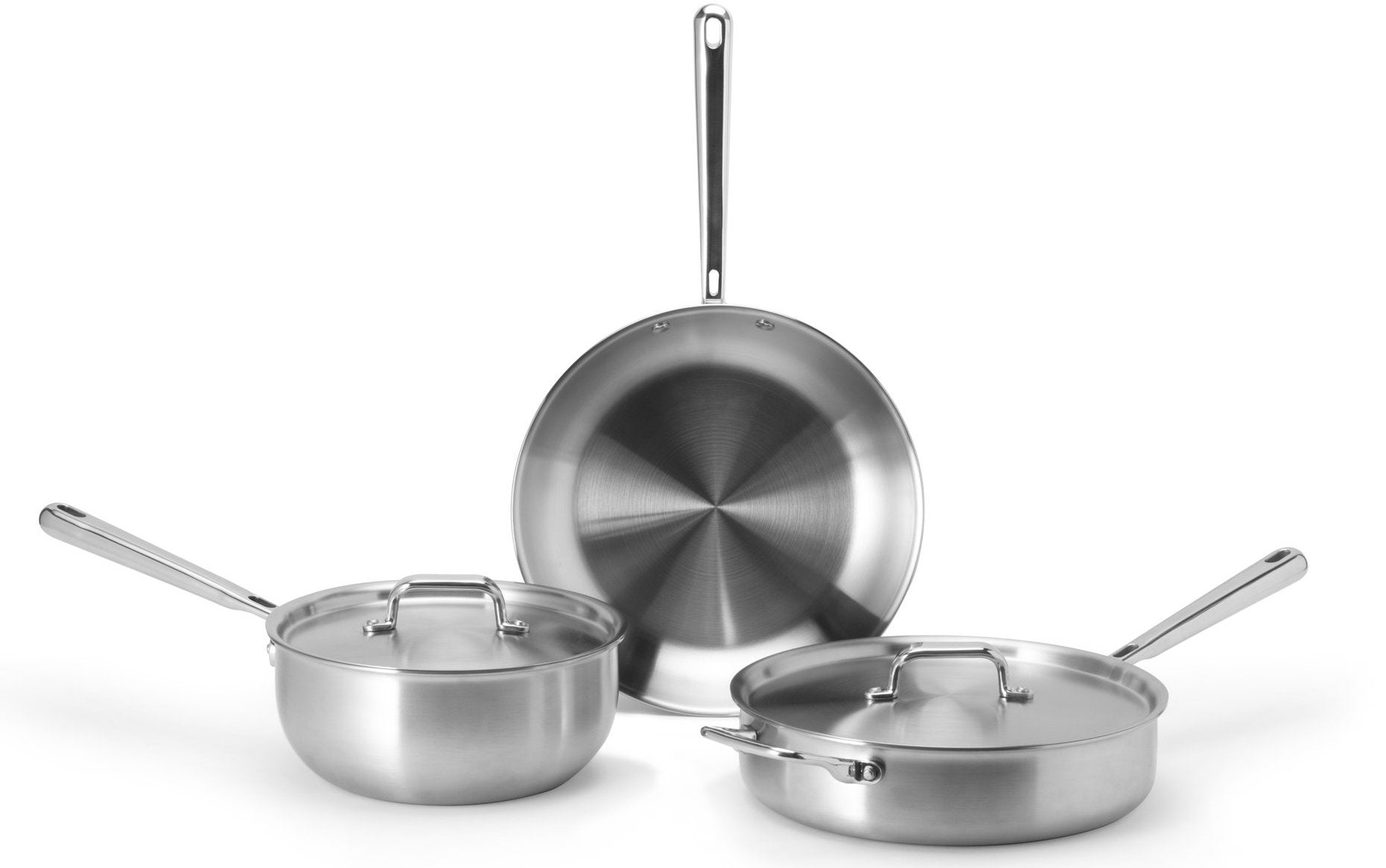
- Stainless steel Clad stainless pans are usually safe to 500°F. Lids and handles may set a lower cap.
- Hard-anodized aluminum Many are 400–500°F. Check the handle and coating rating.
- Nonstick PTFE Most nonstick pans top out at 400–500°F. PTFE can degrade above 500°F. Do not use under a broiler.
- Ceramic nonstick Many rate to 400–450°F. Avoid sudden heat spikes.
- Lids Glass lids often cap at 350–400°F. Stainless lids can reach 500°F.
Broilers create intense, direct heat that can exceed ratings fast. Even if you think can a frying pan go in the oven, it may not be safe under the broiler. Keep nonstick out of the broiler, and confirm the knob rating on enameled pieces.

How to Check If Your Pan Can Go in the Oven
Before you try, confirm the facts. This is how I verify, step by step.
- Read the manual or the maker page You will find an exact oven-safe temperature and broiler status.
- Inspect the handle Metal riveted handles are a good sign. Silicone covers are often fine to about 400°F. Plastic, rubber, and wood are not oven-safe.
- Check the bottom stamp Look for “oven-safe,” a temperature, or an oven icon.
- Confirm the lid rating Glass lids tend to be the limit. If the lid is 350°F, that is your cap.
- Look at screws and accents If they look like plastic, they likely are. Remove covers if they slip off.
This simple check will answer can a frying pan go in the oven for your setup. When in doubt, skip the oven or switch to a known oven-safe skillet.

How to Use a Frying Pan in the Oven Safely
You can move from stove to oven with ease. Here is my simple method that works every time.
- Preheat the oven to your target temp. Give it 10–15 minutes to stabilize.
- Set the oven rack in the center. Keep space above the pan for airflow.
- Dry the pan and handle. Moisture can spot or warp thin metal.
- Remove plastic covers. Silicone sleeves are fine if rated for heat.
- Sear on the stove if needed. Add the pan to the oven while hot to finish.
- Use dry, thick oven mitts. Grips help when lifting heavy cast iron.
- Keep below the rated temp. Respect the lowest-rated part, like the lid.
Follow this and you will not wonder can a frying pan go in the oven again. It will feel routine and safe.

Common Mistakes and How to Avoid Them
It is easy to slip up when you move fast in the kitchen. I have made these mistakes so you do not have to.
- Using the broiler with nonstick PTFE breaks down near 500°F. Broilers can blow past that. Do not risk fumes or damage.
- Forgetting the handle cover Plastic and phenolic handles often melt near 350–375°F. Know your limit or remove covers.
- Shocking a hot pan with water Thin aluminum can warp. Let pans cool before rinsing.
- Ignoring the lid rating A glass lid might cap at 350°F. If you pass that, the seal or glass can fail.
- Spraying aerosol oil in a hot oven Overspray burns and leaves a film. Use a brush or pump sprayer instead.
If you keep asking can a frying pan go in the oven, remember this rule: the lowest-rated part sets the max heat.
Recipe Ideas That Start on the Stove and Finish in the Oven
Stove-to-oven cooking saves time and boosts flavor. Here are easy, tasty wins that respect common heat limits.
- Pan-seared steak Sear 2 minutes per side on high. Bake at 425°F for 4–8 minutes to finish.
- Frittata Sauté fillings. Add eggs. Bake at 375°F for 10–15 minutes until set.
- Skillet pizza Preheat cast iron to 500°F. Press in dough. Bake 10–12 minutes.
- Shakshuka Simmer sauce. Crack in eggs. Bake at 375°F for 8–12 minutes.
- Cornbread Heat butter in cast iron at 425°F. Pour batter. Bake 18–22 minutes.
These keep you within safe ranges. They also show why the answer to can a frying pan go in the oven can open new ways to cook.

Cleaning and Care After Oven Use
Heat changes how you should clean. Gentle steps protect finish and shape.
- Let the pan cool a bit. Aim for warm, not hot or cold.
- Wash with mild soap and a soft sponge. Avoid harsh pads on nonstick.
- Dry right away. For cast iron, add a thin oil coat to keep it smooth.
- Re-season cast iron or carbon steel if food sticks. Heat a light oil film until it shimmers.
- Store with care. Use a pan protector between stacked pans.
This routine keeps your gear strong, so you keep saying yes when asked can a frying pan go in the oven for dinner tonight.

Real-World Lessons From My Kitchen
I learned the hard way that a plastic knob can fail fast at 425°F. The stew was fine, but the knob warped. Since then, I always check the smallest part first.
I also once warped a thin aluminum pan by running cold water over it right after baking. Now I cool pans on the stove for a few minutes. If you wonder can a frying pan go in the oven and come out true, choose thicker pans and cool them slow.
My best results come from cast iron and carbon steel. They brown well on the stove and stay steady in the oven. That is why my short answer to can a frying pan go in the oven is yes, with the right pan and a bit of care.
Frequently Asked Questions of can a frying pan go in the oven
Can a frying pan go in the oven if it has a plastic handle?
No. Most plastic and phenolic handles soften or melt around 350–375°F. Remove covers or pick a pan with a metal handle.
Can a frying pan go in the oven under the broiler?
Only if it is fully metal and rated for the broiler. Never broil nonstick, and confirm knob and handle ratings.
How do I know if my nonstick pan is oven-safe?
Check the manual or stamp. Many nonstick pans are safe to 400–500°F, but not under a broiler.
Is cast iron always safe for the oven?
Yes, cast iron can handle high heat. Watch for lids or knobs that cap the temp.
Can a frying pan go in the oven with a glass lid?
Maybe. Most glass lids are safe to 350–400°F. If your recipe needs more heat, switch to a metal lid or go lidless.
Conclusion
You now have a clear, safe path to answer can a frying pan go in the oven for any pan you own. Check the material, handle, and lid. Follow the lowest rating. Keep nonstick away from the broiler, and avoid thermal shock.
Put this playbook to work in your next meal. Try a stovetop sear, then a quick oven finish. If you found this helpful, share it, subscribe for more simple kitchen guides, or leave a comment with your favorite stove-to-oven dish.

Hi, I’m Mary, the founder of KitchenClue.com. I’m deeply passionate about everything that makes a kitchen smarter, easier, and more enjoyable. I share hands-on insights and practical expertise on kitchen gear that truly helps in daily cooking. Along with my dedicated research team, we study products carefully, and our writers create honest, well-tested reviews using trusted, authentic sources—so you can choose kitchen tools with total confidence.