Can You Put A Stainless Steel Pot In The Oven: Safety Guide
Yes, you can put many stainless steel pots in the oven, if parts are oven-safe.
If you’ve wondered can you put a stainless steel pot in the oven, you’re in the right place. I test cookware for a living, and I’ve baked, braised, and broiled with stainless for years. This guide explains what makes a pot oven-safe, how hot you can go, what to avoid, and how to get pro-level results at home.

Is Stainless Steel Oven-Safe? How It Works
Stainless steel itself can handle very high heat. Grades like 304 or 316 do not fail under normal home oven temps. The real limit is the handles, the lid, and any coatings.
Most multi-ply stainless steel pots have an aluminum core for even heat. That core is also oven-safe. So can you put a stainless steel pot in the oven? Yes, if every piece attached to the pot is rated for the heat you plan to use.
My rule in the test kitchen is simple. All-metal pot and handles with no plastic or wood can go in the oven and under the broiler. Anything with plastic stays below the lowest-rated part.

How to Know if Your Pot Can Go in the Oven
Before you ask can you put a stainless steel pot in the oven, check for markings and manuals. Brands vary, and small details matter.
Look for:
- Oven icon on the base with a temperature number. This is the max safe temp.
- Handle material. Solid stainless or cast stainless is best. Silicone is usually safe to a limit. Plastic or wood is not oven-safe.
- Lid rating. Tempered glass lids have limits. Stainless lids often allow higher heat.
- Any nonstick interior. Some stainless pots have a nonstick layer. Follow the coating’s lower limit.
If the base says 500°F, but the lid says 400°F, use 400°F or remove the lid. When in doubt, check the brand’s product page. If you cannot confirm, assume a lower limit and avoid the broiler.

Temperature Limits for Pots, Handles, and Lids
A clear answer to can you put a stainless steel pot in the oven depends on temperatures. Here are common ranges I see in testing and manufacturer guides:
- Bare stainless steel pot and handles. Often 500°F to 600°F. Safe for most baking and roasting.
- Silicone-wrapped handles. Often 400°F to 450°F.
- Phenolic or plastic handles and knobs. Often 350°F to 400°F.
- Tempered glass lids. Often 350°F to 400°F. Avoid broilers unless rated.
- Wooden handles. Not oven-safe.
For broilers, stick with all-metal pots and remove glass lids. Keep the pot several inches below the element. Radiant heat from a broiler can exceed ratings fast. If you still wonder can you put a stainless steel pot in the oven at 500°F, yes, but only if every component is rated for that heat.
Step-by-Step: Using a Stainless Steel Pot in the Oven
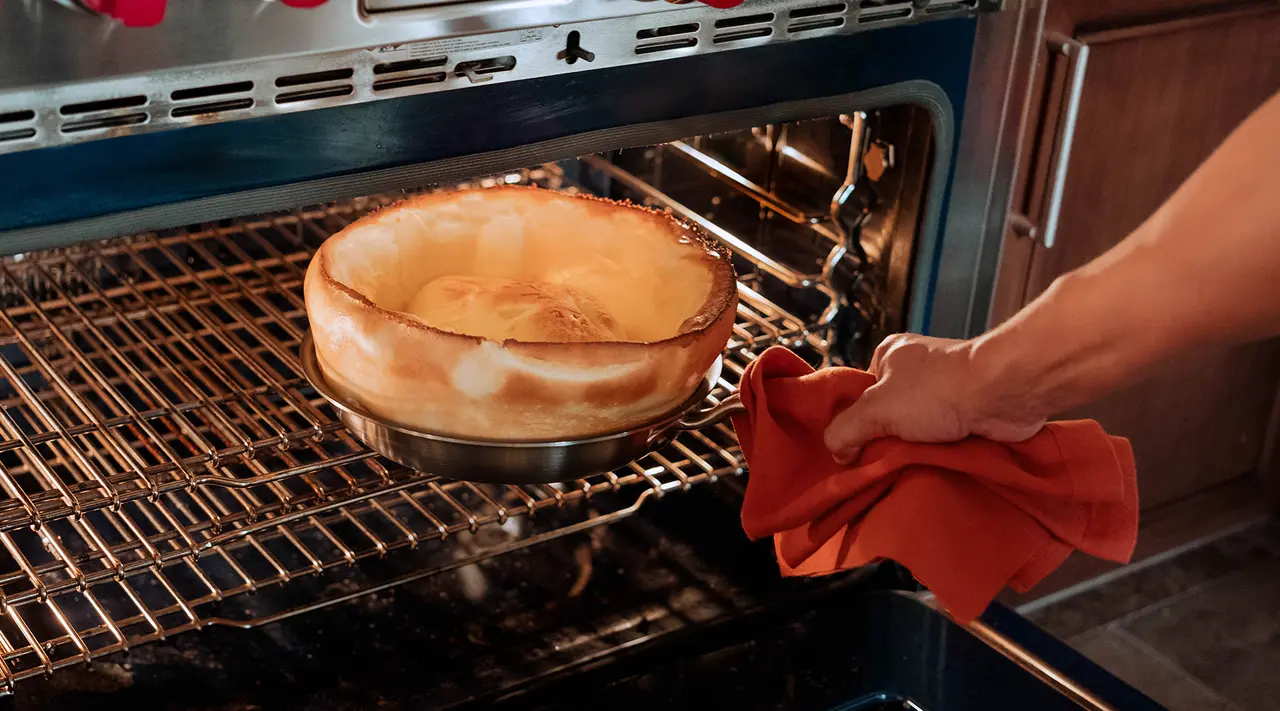
Here is a simple path to safe success if you ask can you put a stainless steel pot in the oven and want to try it today.
- Preheat the oven. Give it 10 to 15 minutes so heat is even.
- Start on the stovetop if needed. Sear meat, sweat onions, or toast spices first.
- Move to the oven. Use dry towels or mitts. Metal handles get very hot.
- Keep liquids in mind. Do not let the pot go dry. Add stock or water for braises.
- Avoid thermal shock. Do not take a cold pot to a very hot oven. Do not quench a hot pot under cold water.
- Check the finish. If you see darkening, it is usually cosmetic and can be cleaned later.
I often braise short ribs this way. Sear in a 5-ply stainless pot, add wine and stock, cover with a stainless lid, and bake at 325°F for three hours. No warping, rich sauce, tender meat.

What to Cook in a Stainless Steel Pot in the Oven
Can you put a stainless steel pot in the oven for more than braising? Yes, it is a workhorse.
Great uses:
- Braises and stews. Brown on the stove, finish low and slow in the oven.
- Pasta bakes and casseroles. Assemble in the pot, top with cheese, and bake.
- Roasting small cuts. Roast chicken thighs or sausages with onions and peppers.
- No-knead bread in a tall pot. Use a heavy stainless pot with a metal lid if you do not own a Dutch oven.
- Stocks and reductions. Start on the stove, finish in the oven for gentle, even heat.
I like oven-finishing risotto. It frees me from constant stirring. The pot’s even heat gives a creamy texture without burning.
Risks, Limitations, and How to Avoid Damage
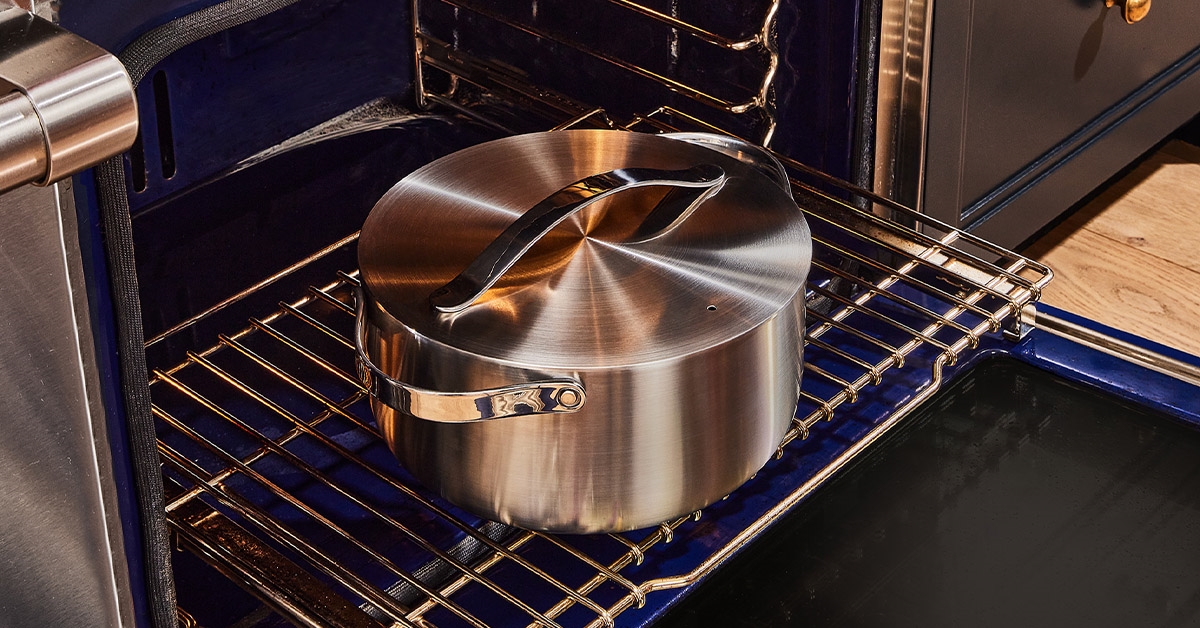
If you ask can you put a stainless steel pot in the oven, you should also know the risks. Most issues are easy to prevent.
- Warping. Happens when a hot pot meets cold water or an empty pot is overheated. Keep some liquid in the pot and cool it slowly.
- Discoloration. Rainbow tints and brown spots are normal after high heat. They clean off with a stainless cleaner or a vinegar rinse.
- Pitting from salt. Do not add salt to cold water in a stainless pot. Boil first, then salt. This avoids chloride pitting.
- Handle damage. Plastic and wood cannot take high heat. Remove lids or knobs if they limit your temperature.
- Broiler scorch. Radiant heat can overrun ratings. Use all-metal only and lower the rack.
From my own testing, the only time I damaged a pot was putting a chilled pot straight into a 500°F oven. The base warped. Lesson learned.
Cleaning and Care After Oven Use
Care is simple and keeps your pot looking new. It also answers a big follow-up to can you put a stainless steel pot in the oven: how to keep it nice after.
- Let it cool on the stove or a trivet. No cold water shock.
- Deglaze with warm water while the pot is still slightly warm. Use a wooden spoon.
- For rainbow stains, use a stainless cleaner or a paste of baking soda. A quick vinegar rinse also helps.
- Avoid metal scouring pads. Use non-scratch pads.
- Dry fully. Heat for 10 seconds on low to evaporate water and prevent spots.
Store with lids off to avoid trapped moisture. Your pot will stay clean, bright, and ready for the next roast.

Quick PAA-Style Answers
Can stainless steel go under a broiler?
Yes, if the pot, handles, and lid are all metal and rated high. Keep distance from the element, and avoid glass lids or plastic knobs.
Will a stainless pot warp in the oven?
It can if heated empty, overheated, or shocked with cold water. Keep liquid in the pot and cool it slowly.
Is aluminum-clad stainless safe in the oven?
Yes. The aluminum core is sealed inside stainless layers and is oven-safe. Follow the lowest-rated part, like the lid or handles.
Frequently Asked Questions of can you put a stainless steel pot in the oven
Can you put a stainless steel pot in the oven with a glass lid?
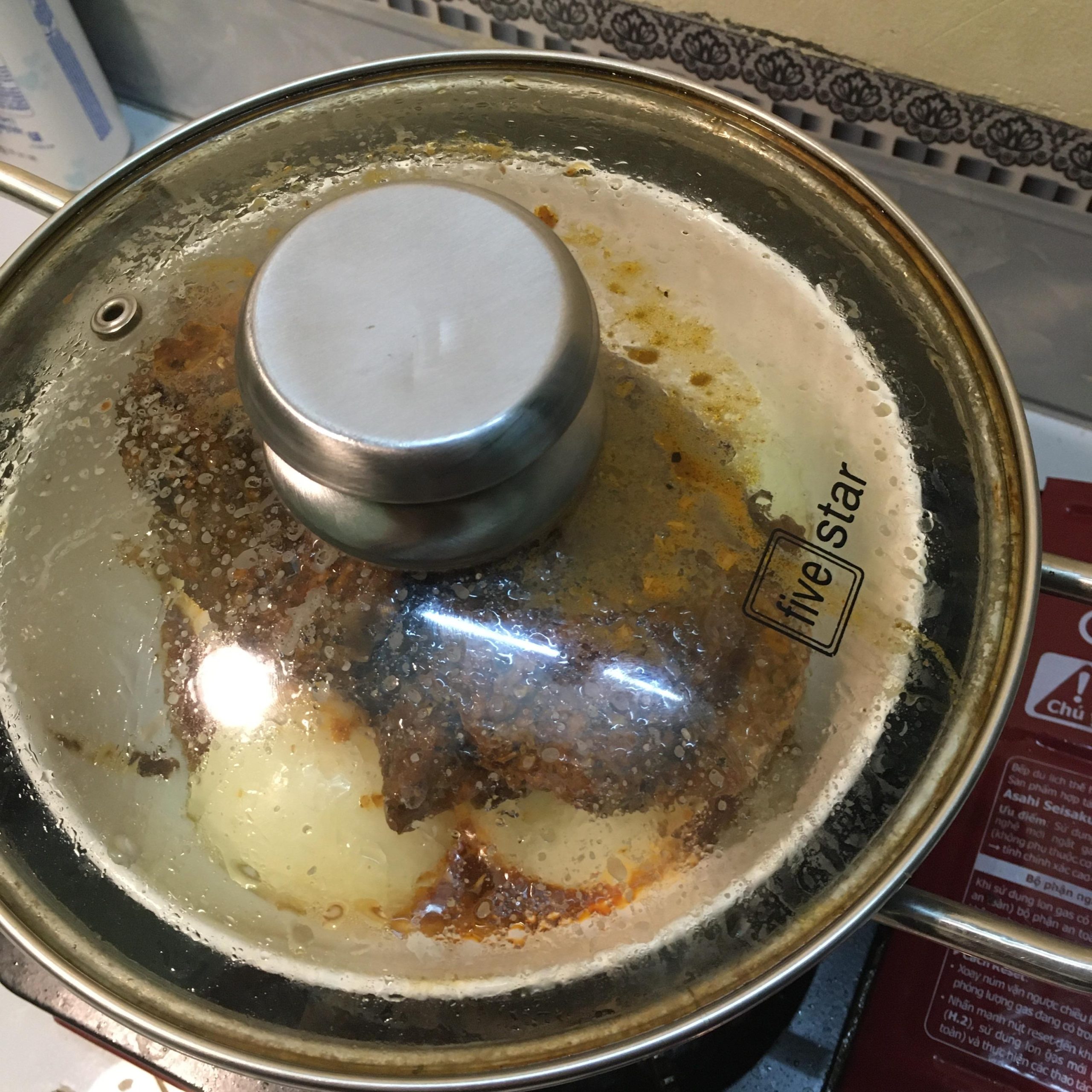
Usually yes, but glass lids often max out at 350°F to 400°F. Check the lid rating and lower your oven temp if needed.
Can you put a stainless steel pot in the oven at 500°F?
Yes, if the pot, handles, and lid are all rated to 500°F. Remove plastic parts and glass lids that have lower limits.
Can you put a stainless steel pot in the oven with silicone handles?
Often yes, but most silicone is rated to 400°F to 450°F. Stay within that range or use handle covers that match the rating.
Can you put a stainless steel pot in the oven for braising?
Absolutely. Sear on the stove, add liquid, cover, and bake low and slow. It gives tender meat and deep flavor.
Can you put a stainless steel pot in the oven under the broiler?
Only if it is all metal and rated for high heat. Keep it a few inches from the element and remove any lid.
Does stainless steel discolor in the oven?
It can show a rainbow tint or brown spots after high heat. These are cosmetic and clean up with a stainless cleaner or vinegar.
Is nonstick stainless steel oven-safe?
If your stainless pot has a nonstick coating, follow the coating’s limit, often 400°F to 500°F. Avoid broiling with nonstick.
Conclusion
You now know the full answer to can you put a stainless steel pot in the oven. Yes, you can, as long as the pot, handles, and lid are rated for the heat you plan to use. Keep liquids in the pot, avoid thermal shock, and respect the lowest-rated part.
Put this into practice tonight. Sear on the stove, slide the pot into the oven, and enjoy even heat and rich flavor. Want more tips like this? Subscribe for tested gear advice, easy techniques, and recipes that work.

Hi, I’m Mary, the founder of KitchenClue.com. I’m deeply passionate about everything that makes a kitchen smarter, easier, and more enjoyable. I share hands-on insights and practical expertise on kitchen gear that truly helps in daily cooking. Along with my dedicated research team, we study products carefully, and our writers create honest, well-tested reviews using trusted, authentic sources—so you can choose kitchen tools with total confidence.