Skillet vs Sauté Pan
If you’ve ever stood in a cookware aisle staring at two pans that looked almost identical, you’re not alone. Many home cooks get confused about skillets and sauté pans. Are they the same thing? Do you really need both? Let’s dive into this kitchen mystery and figure out what makes each one special.
What Exactly Is a Skillet?
A skillet is a flat-bottomed frying pan with gently sloped sides. The sloped design makes it easy to flip food or slide it onto a plate. Skillets come in different sizes. The most common ones are 8-inch, 10-inch, and 12-inch versions. The name comes from the Dutch word “schijtel,” which referred to a cooking vessel used way back when.
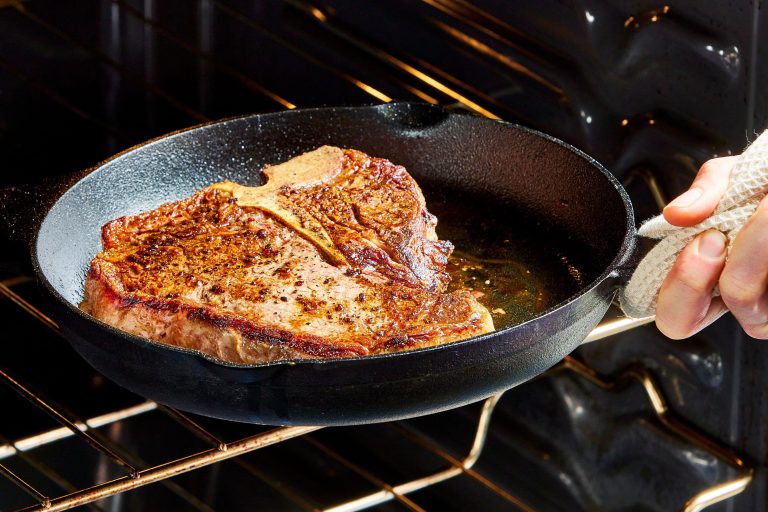
Skillets have been around forever. Cooks love them because they’re versatile. You can fry, sauté, bake, and even broil in a skillet. Cast iron skillets are especially popular because they last generations if you treat them right. But skillets also come in stainless steel and non-stick versions.
The sloped sides of a skillet do something important. They let you easily flip pancakes, slide eggs onto a plate, or toss ingredients around while cooking. That’s a huge advantage if you like to be active while cooking. You’re not stuck stirring. You can move things around.
What Exactly Is a Sauté Pan?
A sauté pan looks similar to a skillet at first glance. Both have flat bottoms and heat evenly. But here’s the key difference: sauté pans have straight, vertical sides instead of sloped ones. This high-sided design makes a real difference in how you cook.
The straight sides of a sauté pan hold more food and liquid. They keep sauces from splashing out. They also make it harder to flip food using your wrist, but that’s okay. Sauté pans are built for a different cooking style. You’re not flipping. You’re simmering, braising, and stirring.
Sauté pans typically come in sizes like 3-quart and 5-quart capacities. Some people measure them by diameter, just like skillets. A 12-inch sauté pan is fairly standard. The tall sides give you that extra capacity that makes a real difference when cooking for a crowd or making sauces.
The Main Differences Between Skillets and Sauté Pans
Let’s break down exactly how these two pans differ. Understanding these differences will help you pick the right pan for your cooking style.
Side Design
The most obvious difference is the sides. Skillets have sloped sides that angle outward. Sauté pans have vertical sides that go straight up. This affects how you use them and what you cook in them. Sloped sides mean flipping is easier. Vertical sides mean you hold more food without it spilling over.
Cooking Capacity
Because of those tall sides, sauté pans hold more food and liquid. If you’re making a sauce that needs room to bubble without splashing, a sauté pan wins. If you’re just browning some vegetables, a skillet does the job fine. The extra capacity of a sauté pan is helpful for family meals or meal prep.
Heat Distribution
Both skillets and sauté pans distribute heat evenly across the bottom. This is true whether they’re cast iron, stainless steel, or aluminum. The material matters more than the shape when it comes to heat distribution. Cast iron heats slowly but holds heat incredibly well. Aluminum heats quickly but doesn’t hold heat as long. Stainless steel is somewhere in the middle.
Flipping and Tossing
Skillets make flipping easy. You can flip a pancake with confidence in a skillet. You can toss veggies around with one hand. Sauté pans don’t work well for flipping. The straight sides get in the way. But that’s not what sauté pans are designed for. They’re built for cooking methods where you stir with a spoon or whisk.
Lid Compatibility
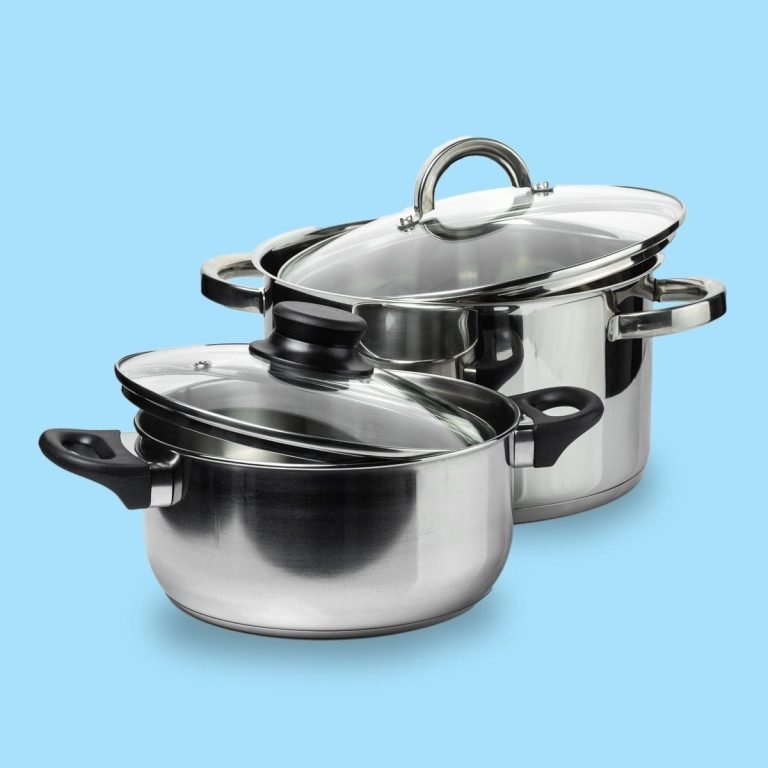
This is something many cooks forget about. Sauté pans often come with lids. The straight sides make lids fit perfectly. Skillets rarely come with lids because the sloped sides don’t work well with most standard lids. If you need to cover your food while cooking, a sauté pan is more convenient.
What to Cook in a Skillet
Skillets are incredibly versatile. Here are the best uses for this trusty pan.
Breakfast Foods
Skillets are perfect for breakfast. Pancakes, eggs, bacon, sausage, and hash browns all do great in a skillet. The sloped sides make it easy to slide eggs onto a plate without breaking them. You can also flip pancakes with ease. Many families make their entire breakfast in one skillet.
Fried Foods
Want to fry something? A skillet works wonderfully. You don’t need a huge amount of oil, and the sloped sides make it easy to fish out fried chicken or donuts. Shallow frying or pan frying is perfect in a skillet. Deep frying needs a deeper pot, but skillets handle shallow frying like champs.
Browning Meat
Skillets are great for browning ground beef or chicken pieces. The wide, flat bottom gives meat plenty of space to touch the hot surface. This creates that brown, flavorful crust that makes food taste amazing. The sloped sides let you toss the meat around easily.
Baking and Broiling
Cast iron skillets are famous for baking. You can make cornbread, skillet cookies, pizzas, and lots of other baked goods right in a skillet. The heat distribution is even, and the cast iron retains heat beautifully. Some skillets can even go under the broiler. Just make sure your skillet’s handle can handle the heat.
Stir-Frying
Skillets work well for stir-frying. The curved sides let you toss ingredients easily. You can keep the food moving, which is the whole point of stir-frying. A skillet isn’t as good as a wok for large quantities, but it does the job fine for home cooking.
What to Cook in a Sauté Pan
Sauté pans are also versatile but excel in different situations. Here’s what they do best.
Pan Sauces
The straight sides of a sauté pan are perfect for making pan sauces. When you finish cooking meat, you add broth or wine to the pan and scrape up the brown bits. These bits, called fond, add tons of flavor. Sauté pans keep all that sauce contained and make it easy to reduce.
Braising
Braising means cooking meat slowly in liquid. Sauté pans are ideal for braising because they hold enough liquid without it splashing everywhere. The vertical sides keep everything in place. You can braise beef, chicken, pork, or vegetables in a sauté pan.
Simmering Dishes
Soups, stews, and simmered sauces all benefit from a sauté pan. The tall sides contain everything. The wide bottom gives you surface area for browning ingredients first. Many home cooks start by browning meat or vegetables in a sauté pan, then add liquid for simmering.
Pasta Dishes
You can cook pasta dishes right in a sauté pan. Some recipes have you cook the pasta with sauce directly in the pan. The straight sides keep everything from splashing onto your stove. This method also means less cleanup.
Large Batch Cooking
Making a big batch of something? A sauté pan holds more than a skillet because of those tall sides. You can feed more people without using multiple pans. This makes sauté pans great for families or meal prep.
Material Matters: Cast Iron vs Stainless Steel vs Non-Stick
The material of your pan affects performance, maintenance, and durability. Both skillets and sauté pans come in different materials.
Cast Iron
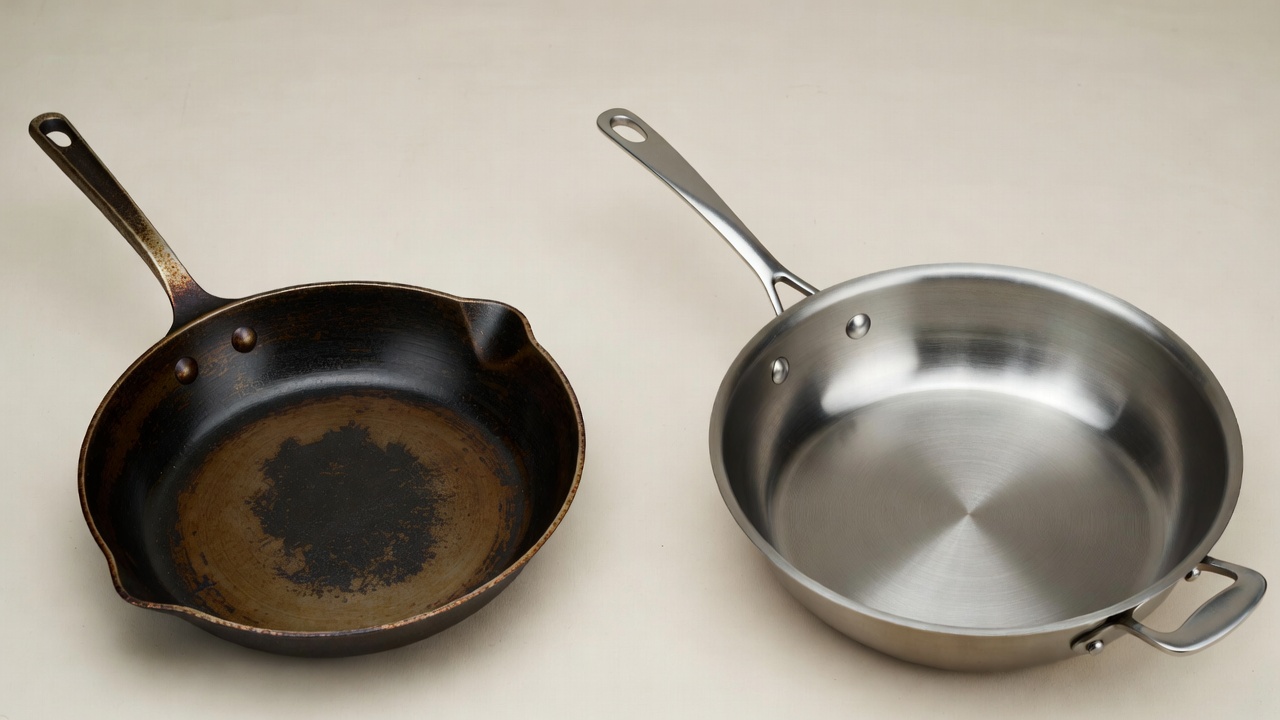
Cast iron is legendary. These pans last forever. Your great-grandma’s cast iron skillet might still be cooking food today. Cast iron gets better with age as you build up seasoning. It heats evenly and retains heat like nothing else. The downsides? Cast iron is heavy. It needs regular seasoning to maintain the non-stick surface. It’s not dishwasher safe. It can rust if you don’t care for it properly.
Stainless Steel
Stainless steel pans are durable and low-maintenance. They don’t rust easily. They’re dishwasher safe. They heat quickly. The downside is that food tends to stick more than with cast iron. You need to use enough oil or butter. Stainless steel pans sometimes have hot spots where heat concentrates. Quality matters here. Expensive stainless steel pans usually heat more evenly than cheap ones.
Non-Stick
Non-stick pans are convenient. Food slides right off, and cleanup is super easy. They’re great for eggs, pancakes, and delicate fish. Non-stick pans heat quickly and evenly. The downsides? Non-stick coatings wear out over time. You can’t use high heat or metal utensils. Non-stick pans need to be replaced every few years. They’re also not great for browning meat because you can’t get as much color on the food.
Size Considerations
Both skillets and sauté pans come in different sizes. Picking the right size matters.
Small Pans (8-10 inch skillets, 1-2 quart sauté pans)
Small pans are perfect for one or two people. They heat quickly and use less energy. They’re easy to handle and store. Small pans are great for beginners because they’re not overwhelming. If you live alone or with one other person, a small pan might be all you need.
Medium Pans (10-12 inch skillets, 3-4 quart sauté pans)
Medium pans are the Goldilocks choice. They’re the most versatile. They work for cooking for two or three people. Most families find medium pans work for everyday cooking. They’re not so big that they’re hard to handle, and not so small that you feel limited.
Large Pans (12+ inch skillets, 5+ quart sauté pans)
Large pans are for cooking big batches or feeding a crowd. They take longer to heat up and use more energy. They’re also heavier and take up more storage space. If you regularly cook for six or more people, large pans make sense. Otherwise, they might be overkill.
Do You Really Need Both?
Here’s the real question: do you need both a skillet and a sauté pan? The answer depends on how much you cook and what kinds of dishes you make.
If You Cook Minimally
If you cook simple meals occasionally, one good skillet might be enough. A 10-inch non-stick or stainless steel skillet handles most basic cooking. You can make eggs, meat, vegetables, and simple sauces. One pan does a lot.
If You Cook Regularly
If you cook several times a week, having both opens up possibilities. You could have a skillet for breakfast and quick meals, and a sauté pan for simmering and braising. They work well together without overlapping too much.
If You Cook Seriously
If cooking is a passion, you might want multiple skillets and sauté pans. A cast iron skillet, a non-stick skillet, and a stainless steel sauté pan each have their purpose. Different materials and sizes let you handle any recipe that comes your way.
Budget-Friendly Tips
Good cookware doesn’t have to cost a fortune. Here’s how to get quality pans without breaking the bank.
Start with One Quality Pan
Instead of buying many cheap pans, buy one good pan. A quality skillet or sauté pan lasts for years. It heats evenly and makes cooking easier. Save money elsewhere in your kitchen if you need to.
Watch for Sales
Cookware goes on sale, especially around holidays. Black Friday, holiday season, and back-to-school sales often have great deals. Set up alerts if a store has a pan you want.
Consider Cast Iron
Cast iron skillets are often cheaper than other options. They also last forever. Vintage cast iron pans from thrift stores cost very little but work great. Seasoning them is free.
Store Brands Can Work
Some store brands offer decent cookware. They might not last as long as fancy brands, but they’re affordable. Try a store brand skillet or sauté pan if your budget is tight.
Maintenance and Care
How you care for your pans affects how long they last. Different materials need different care.
Cast Iron Care
Wash cast iron by hand with hot water and a scrub brush. Dry it completely. Apply a thin layer of oil to the surface while it’s still warm. This maintains the seasoning. Never use soap or put cast iron in the dishwasher. With proper care, cast iron lasts decades or longer.
Stainless Steel Care
Stainless steel pans are easy to maintain. Wash them in hot soapy water and dry with a towel. Most stainless steel pans are dishwasher safe, but hand washing is gentler. Stainless steel might discolor over time, but that doesn’t affect performance.
Non-Stick Care
Non-stick pans need gentle treatment. Hand wash only. Use soft sponges, not abrasive scrubbers. Use only plastic or wooden utensils, never metal. Avoid high heat. With proper care, non-stick pans last several years before the coating wears out.
Common Cooking Mistakes to Avoid
Using the wrong pan can lead to cooking problems. Here’s what to avoid.
Using a Skillet for Braising Large Amounts
If you’re braising a big batch, a skillet’s shallow capacity might not work. Use a sauté pan instead. The straight sides hold more liquid.
Flipping in a Sauté Pan
Don’t try to flip food in a sauté pan the way you would in a skillet. It’s hard because of the tall sides. Use a spoon or tongs instead.
Overheating Non-Stick Pans
Non-stick pans shouldn’t go above medium-high heat. High heat damages the coating and releases fumes. Save high-heat cooking for cast iron or stainless steel.
Using Metal Utensils on Non-Stick
Metal forks, spatulas, and spoons scratch non-stick coatings. Use wooden or plastic utensils instead. Your pan will last much longer.
Not Preheating Properly
Pans need time to heat up. Don’t add food to a cold pan. Preheat for a minute or two. Your food will cook more evenly and get better color.
The Verdict: Which Pan Should You Buy?
It really depends on your needs. Let’s break it down by cook type.
For the Breakfast Lover
If you make breakfast often, get a quality skillet. A 10-inch cast iron or non-stick skillet is perfect. You’ll use it almost every day.
For the Pasta Maker
Love making pasta dishes and simmering sauces? A stainless steel sauté pan is your best friend. Look for a 5-quart capacity so you have plenty of room.
For the Adventurous Cook
If you cook lots of different styles, get both. Start with a 10-inch skillet and a 4-quart sauté pan. You’ll have most bases covered.
For the Minimalist
If you only cook occasionally, buy one good skillet. A 10-inch stainless steel skillet handles most situations. Add a sauté pan later if you find you need one.
Making Your Decision
Think about what you cook most often. Think about how many people you usually cook for. Think about your budget. Then buy accordingly.
Don’t feel pressured to have a huge collection of pans. One or two quality pans beat a whole drawer full of cheap ones. Use your pans regularly. Keep them clean. Treat them well. A good pan becomes better with age.
Final Thoughts
Skillets and sauté pans both have their place in the kitchen. They’re different enough that each does some things better. A skillet excels at flipping and browning. A sauté pan excels at simmering and braising. Knowing the difference helps you pick the right tool for each job.
You don’t need to overthink this. Start with one pan that fits your cooking style. Use it. Learn it. Maybe add another pan later. Before you know it, you’ll have your kitchen set up just right for the food you love to make.
The best pan is the one you use. So pick one and get cooking. Your meals will taste better, and you’ll enjoy the process more. That’s what good cookware is really all about.
Quick Reference: Skillet vs Sauté Pan Comparison
| Feature | Skillet | Sauté Pan |
|---|---|---|
| Side shape | Sloped | Vertical |
| Flipping | Easy | Difficult |
| Capacity | Smaller | Larger |
| Best for | Browning, frying, breakfast | Braising, simmering, sauces |
| Lid compatible | Usually no | Usually yes |
| Common sizes | 8-12 inches | 3-5 quarts |
| Common materials | Cast iron, stainless steel, non-stick | Stainless steel, non-stick |
Related Cookware Questions Answered
Can I use a skillet for braising?
Yes, but a sauté pan is better. A skillet’s shallow sides work for braising, but the sauté pan’s extra capacity is more convenient.
Can I bake in a sauté pan?
Some recipes work in a sauté pan, but skillets are more commonly used for skillet baking. The shape works better for baked goods.
Which heats faster?
It depends on the material, not the shape. Aluminum heats fastest. Cast iron heats slowest. Stainless steel is in the middle.
Is cast iron worth it?
For long-term use, absolutely. Cast iron lasts for generations. The upfront cost is low, and you never need to replace it.
What size should I buy?
For most home cooks, a 10-inch skillet or a 4-quart sauté pan is perfect. Medium sizes work for most situations.
Can I use oil in a non-stick pan?
Yes, but use less. Non-stick surfaces reduce the need for oil. A small amount prevents sticking and adds flavor.
Should I buy a matching set?
You don’t need a matching set. Buy individual pans that suit your needs. Mix and match brands and materials as needed.
Getting Started with Your New Pans
Once you buy your skillet or sauté pan, treat it well. Read the manufacturer’s instructions. Use it properly. Season it if it’s cast iron. Hand wash if needed. With proper care, your pan becomes a trusted kitchen companion.
Happy cooking!

Hi, I’m Mary, the founder of KitchenClue.com. I’m deeply passionate about everything that makes a kitchen smarter, easier, and more enjoyable. I share hands-on insights and practical expertise on kitchen gear that truly helps in daily cooking. Along with my dedicated research team, we study products carefully, and our writers create honest, well-tested reviews using trusted, authentic sources—so you can choose kitchen tools with total confidence.