
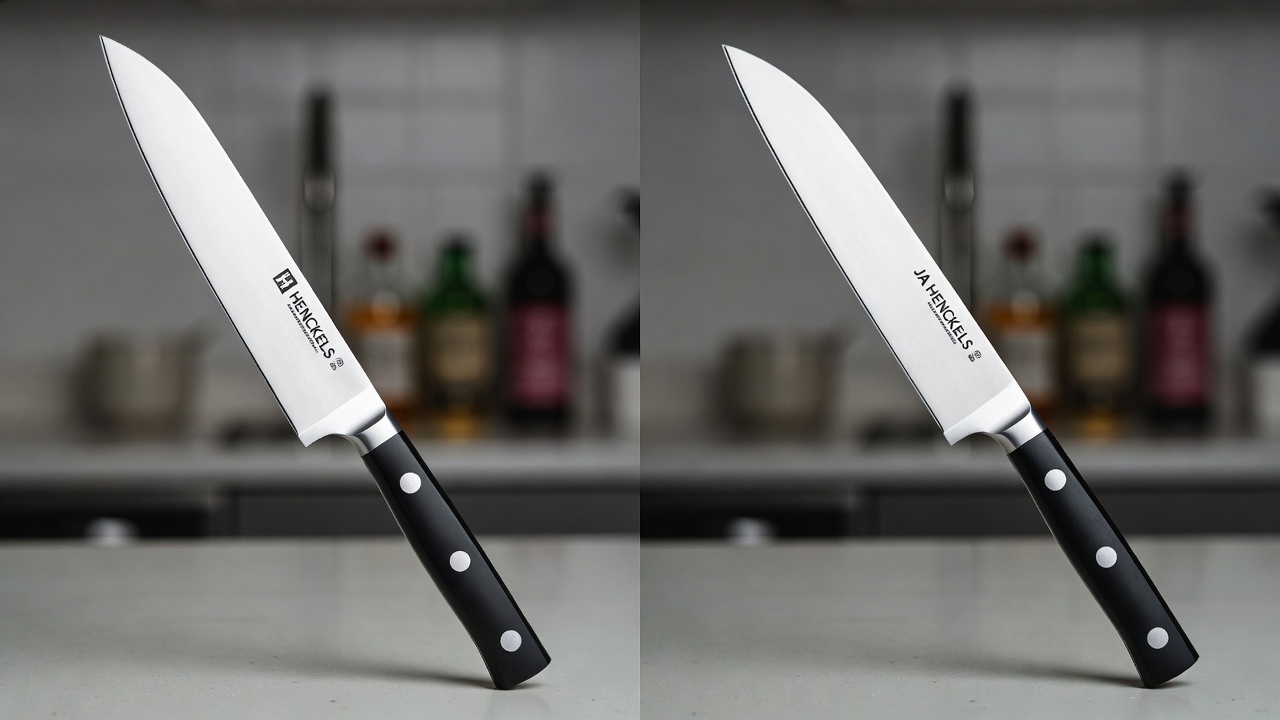
Henckels vs JA Henckels Knives
If you spend time in the kitchen, you’ve probably heard about Henckels knives. You might have also seen JA Henckels knives pop up in your search results. The names are similar. The brands feel connected. But are they really the same thing? Let’s dig into this question and find out what makes these two knife brands different.
Why Knife Quality Matters in Your Kitchen
Before we jump into the comparison, let’s talk about why your knife matters. The right knife makes cooking easier. It cuts food faster. It keeps you safer because you don’t have to fight with a dull blade. A good knife can last for years. A bad knife might frustrate you in just a few weeks.
Many home cooks don’t think much about their kitchen knives. They grab whatever came with the knife block at the store. But the truth is, investing in quality knives changes how you feel about cooking. Your hands get less tired. Your food looks better. You work faster and with more control.
This is where Henckels and JA Henckels come in. Both brands make kitchen knives that regular people can afford. Both have good reputations. Both come from Germany, which has a long history of making excellent blades. But the differences between these two brands matter if you want to pick the right knife for your needs.
The Henckels Brand: History and What They Make
Henckels is the older and more established brand. This company has been making knives for over one hundred years. They started in Germany and built their name on quality craftsmanship. German knife makers have always been known for precision and durability. Henckels fit right into that tradition.
Henckels makes a wide range of kitchen knives. You can find chef knives, paring knives, bread knives, and carving knives. They also make utility knives and specialty blades. The brand focuses on making knives that regular home cooks need. They don’t make fancy high-end blades with crazy price tags. Instead, they make solid, reliable tools that work well.
The Henckels knives you find in most stores are made in Germany or other European countries. The company maintains strict quality control. They use good stainless steel. The blades come sharp and stay sharp for a long time. The handles feel comfortable in your hand. People who buy Henckels knives often become loyal customers because the quality is consistent.
One thing that makes Henckels stand out is their attention to the blade’s edge. They sharpen their knives carefully before they leave the factory. The edge has the right angle. It glides through food smoothly. This is something many cheap knives miss. A dull blade right out of the box makes people think the knife is bad. Henckels avoids this problem.
The JA Henckels Brand: The Modern Option
JA Henckels is a newer brand. This name came about through a business decision that split the original company. The “JA” stands for “J.A. Henckels.” This branch of the family business went a different direction than the regular Henckels brand.
JA Henckels also makes quality kitchen knives. They draw from the same German knife-making tradition. But they focus more on modern designs and newer manufacturing methods. Their knives tend to have a more contemporary look. The handles use modern materials. The blade designs reflect what today’s cooks want in their tools.
JA Henckels knives often appear in mainstream stores and online shops. Many people discover this brand because it has good prices and solid performance. The company competes with other mid-range knife brands. They offer good value for the money you spend.
The JA Henckels lineup includes basic knives for everyday use. You can find their chef knives, paring knives, and utility knives in many kitchen stores. Some people prefer their designs to the traditional look of regular Henckels. The modern aesthetic appeals to cooks who like sleeker, newer-looking tools.
Key Differences Between The Two Brands
Now let’s get into the real differences. These are the things that matter when you’re deciding which brand to buy.
Manufacturing and Production
Henckels maintains strict German manufacturing standards. Most of their knives still come from Germany. This means consistent quality and careful attention to detail. You know what you’re getting because they keep tight control over how things are made.
JA Henckels uses different production methods. Some knives come from Germany, but others might come from other countries. The company focuses on efficiency and modern manufacturing. This keeps costs lower. It also means the knives are more available in more stores.
Both approaches have merit. German-made knives often come with a certain reputation for quality. But modern manufacturing can also produce excellent blades if done well. You’re not necessarily getting a better knife just because it says “Made in Germany.” You’re getting a different production philosophy.
Blade Steel and Materials
Henckels uses traditional stainless steel formulas. These steel types have proven themselves over many years. They resist rust well. They hold an edge for a decent amount of time. They’re easy to sharpen when needed. The steel is reliable and forgiving if you’re not perfect at maintenance.
JA Henckels uses modern stainless steel blends. These formulas are designed for better edge retention. Some JA Henckels blades stay sharp longer than traditional options. They resist corrosion well. They balance hardness with toughness so the blade doesn’t chip easily.
This is actually a big difference. If you cook often, a blade that holds its edge longer is valuable. You don’t have to sharpen as frequently. But harder steel can be more brittle. It might chip if you abuse it. Softer steel forgives mistakes but needs more sharpening.
Handle Design and Comfort
Traditional Henckels knives have classic handle designs. They use simple materials like plastic or composite handles. The handles are comfortable enough for most people. They’re not fancy, but they work. The design hasn’t changed much over the years because it’s proven effective.
JA Henckels focuses on modern handle design. They use newer materials. Some handles have special grips that improve control. The designs look more contemporary. If you want a knife that looks current and modern, JA Henckels delivers that.
Here’s what matters: a good handle should fit your hand comfortably. It should let you control the knife well. It should not slip when wet. Both brands do these things, but they do them in different ways. Your personal hand size and preference matter here.
Edge Angle and Sharpness
Henckels sharpens their blades to a specific traditional angle. This angle is proven to work well for most cooking tasks. The sharp edge slices through vegetables, meat, and other foods smoothly. The angle balances sharpness with durability.
JA Henckels often uses a slightly different approach. They might sharpen to a different angle or use different sharpening methods. This affects how the knife feels when you use it. Some cooks prefer one angle over another.
This matters more than you might think. A knife that’s sharp at the wrong angle feels bad. It might slip off your cutting board. It might require more pressure. Even small differences in angle can change your whole experience with a knife.
Price Point and Value
Henckels knives typically fall into the mid-range price category. They cost more than the cheapest options at the store. But they cost way less than fancy Japanese knives or high-end European brands. For most home cooks, the price feels fair for what you get.
JA Henckels often prices their knives slightly lower than traditional Henckels. This makes them attractive if you want quality on a tight budget. You don’t have to spend much to get a decent blade. But you do get what you pay for. The quality is good, but it might not equal the higher-priced Henckels options.
Think about this: a fifty-dollar knife that lasts five years is cheaper per year than a thirty-dollar knife that lasts two years. Price alone doesn’t tell you if you’re getting a good deal. You need to think about durability too.
Henckels Kitchen Knife Types and Uses
Let’s look at specific knives from the Henckels brand and what they do.
The Chef Knife
This is the most important knife in any kitchen. The chef knife is your workhorse. Use it for chopping vegetables, slicing meat, and most other cutting tasks. Henckels chef knives typically come with an eight-inch blade. This size works well for most people. The blade is wide enough to protect your knuckles and help you guide the knife.
Henckels chef knives feel solid in your hand. They’re not too heavy or too light. The balance point sits close to your hand. This reduces fatigue when you’re doing a lot of chopping. The edge stays sharp long enough to make prep work pleasant.
The Paring Knife
The paring knife is smaller and more precise. Use it for detailed work like peeling, deveining shrimp, or removing seeds. Henckels paring knives have short blades, usually around three to four inches. They fit easily in your hand. The tip is sharp and pointed. This lets you work with accuracy.
A good paring knife makes small jobs easier. Henckels paring knives do their job without fuss. They’re not the fanciest knives you can buy. But they work reliably every time you pick them up.
The Bread Knife
This knife has a serrated edge, which means it has tiny sawlike teeth. These teeth grip bread without squishing it. Henckels bread knives cut through crusty loaves smoothly. The serrated edge also works for slicing tomatoes or other soft items with tough skin.
A bread knife is one of the best investments for your kitchen. Even people who don’t cook much usually need to cut bread. Henckels bread knives handle this task well. The serrations last a long time before you need to sharpen them.
The Utility Knife
The utility knife falls between a paring knife and a chef knife. It’s bigger than a paring knife but smaller than a chef knife. Use it for medium-sized tasks. Henckels utility knives work for slicing cheese, cutting smaller vegetables, or preparing fruits.
Many people overlook the utility knife. But once you have one, you use it all the time. It’s often more convenient than pulling out the big chef knife for small jobs.
JA Henckels Kitchen Knife Types and Uses
JA Henckels makes a similar range of knives with slightly different characteristics.
The JA Henckels Chef Knife
Like traditional Henckels, JA Henckels makes excellent chef knives. Their versions often have more modern blade designs. Some have textured handles for better grip. The edge might be sharper right out of the box compared to regular Henckels.
If you like modern aesthetics, the JA Henckels chef knife appeals to you. It performs well for all the basic chopping and slicing tasks. The handle design might feel more comfortable if you have smaller hands. The modern materials resist wear and staining better.
The JA Henckels Paring Knife
The paring knife from JA Henckels works just like its traditional counterpart. You get a small, precise blade for detailed work. The modern handle design might give you better control. The blade geometry is slightly different, but the purpose is identical.
The JA Henckels Bread Knife
JA Henckels bread knives have serrated edges just like Henckels bread knives. Some versions have more aggressive serrations. This means they grip the bread even better. If you cut a lot of bread, this difference is noticeable.
Maintenance and Care: What You Need to Do
Both Henckels and JA Henckels knives need proper care to last a long time.
Washing and Drying
Never put your knives in the dishwasher. The hot water and harsh detergent can damage the blade and handle. Hand wash instead. Use warm soapy water and a soft cloth. Dry immediately with a clean towel. This takes one minute per knife and prevents damage.
Sharpening Your Knives
Both brands use stainless steel that you can sharpen at home. You need a sharpening tool. You can use a whetstone, a honing steel, or an electric sharpener. Different people prefer different methods. Find what works for you.
A honing steel is different from sharpening. Honing realigns the edge and should happen frequently, even after just a few uses. Sharpening removes metal and creates a new edge. You only do this when the knife stops cutting well.
Storage
Store your knives safely. Never toss them in a drawer loose. The blade will get dull quickly and might chip. A knife block keeps them safe and organized. Magnetic strips work well too. Some people use blade guards. The point is to protect the edge.
Proper Cutting Technique
How you use your knife matters. Always cut on the right surface. Wood and plastic cutting boards are fine. Glass and marble damage blades. Use a rocking motion rather than pushing down hard. Let the knife do the work. This extends the life of your blade significantly.
Which Brand Should You Buy?
This depends on what matters most to you.
Choose Henckels if you want:
Traditional quality and proven design. Henckels has made knives for over a century. The designs work. People trust the brand.
German-made assurance. If German manufacturing matters to you, Henckels delivers this.
Reliable, familiar products. You know what you’re getting because Henckels hasn’t changed much. That’s not a bad thing.
A knife that forgives mistakes. The softer steel is more forgiving if you don’t maintain your knives perfectly.
Choose JA Henckels if you want:
Modern aesthetics. These knives look current and sleek.
Slightly lower prices. You get quality at a good price point.
Better edge retention. The harder steel stays sharp longer between sharpenings.
Efficient modern manufacturing. You’re okay with production happening outside Germany if the quality is good.
Contemporary handle designs. If you like modern grips and materials, JA Henckels delivers.
Real Cook Experiences: What People Say
Real people who buy these knives have opinions. Many Henckels users love their knives. They say they last forever. They say the quality is consistent. Some wish the handles were more modern, but they don’t complain about performance.
JA Henckels users also report good experiences. They say their knives are sharp right out of the box. They like the modern look. Some say they sharpen more often than they expected, but they don’t mind because the edge comes back easily.
Both brands have fans. Both have some people who wish they’d tried the other one. This tells us that both make good knives. Personal preference plays a big role in satisfaction.
Common Mistakes When Buying Kitchen Knives
Don’t fall into these traps when you’re shopping.
Mistake 1: Buying Too Many Knives
You don’t need a twenty-piece knife set. You probably need three knives: a chef knife, a paring knife, and a bread knife. That’s it. Most people use these three constantly and ignore the rest.
Mistake 2: Choosing Based Only on Price
The cheapest knife isn’t always the best value. Neither is the most expensive. Mid-range knives from trusted brands like Henckels and JA Henckels often give you the best value for your money.
Mistake 3: Neglecting Maintenance
You can buy the best knife in the world. But if you don’t care for it, it will disappoint you. Spend two minutes washing and drying each time. Sharpen occasionally. Store properly. These habits matter more than the brand.
Mistake 4: Ignoring Handle Comfort
A knife is only good if it feels right in your hand. Don’t buy based on blade alone. Hold the knife if you can. See if it feels balanced. Check if the handle fits your grip. This matters.
Mistake 5: Expecting a Knife to Do Everything
Different knives excel at different tasks. Your chef knife is great for most work. But it’s not ideal for fine detail work. That’s what the paring knife is for. Use the right knife for the job.
Henckels and JA Henckels: The Connection
People often ask if these brands are related. They are. Both trace their roots back to German knife-making heritage. The names are similar because they came from the same family business at some point. But they’re now separate brands.
This shared history is why both make good knives. They both understand the tradition of quality blade-making. They both apply that knowledge to their products. But they’ve gone in slightly different directions. One focuses on tradition. One focuses on modernization.
How to Tell If You’re Getting a Real Henckels or JA Henckels Knife
Buying from legitimate retailers matters. You want to make sure you’re getting the real thing.
Check the packaging. Real Henckels and JA Henckels knives come in professional packaging. The branding is clear. The quality of printing is good. If something looks cheap or sloppy, you might have a counterfeit.
Look at the blade stamping. The brand name should be clearly stamped or printed on the blade. The lettering should be clean and professional. Counterfeit knives often have sloppy stamping.
Check the handle construction. The handle should be solidly attached. There should be no gaps or wiggling. The finish should be smooth and even.
Buy from established retailers. Amazon, major kitchen stores, and restaurant supply shops usually carry the real thing. Unknown websites are riskier.
Caring for Your Investment
A quality knife is an investment. You spend money now and enjoy the benefits for years.
The First Days
When you first get your new knife, get to know it. Notice how it feels. Notice how it cuts. Learn where the balance point is. Many people find they cut better once they spend a day with their new knife.
Weekly Care
After each use, wash by hand and dry immediately. This takes minimal effort and prevents damage.
Monthly Tasks
Once a month, use a honing steel. This keeps the edge aligned. It makes a huge difference in how the knife feels.
Annual Maintenance
Once a year, sharpen your knife properly. This restores the edge if it’s gotten dull. A sharp knife makes cooking more enjoyable.
The Verdict: Which Is Right for You?
Both Henckels and JA Henckels make knives worth buying. Neither brand will disappoint you if you care for your knives properly.
Henckels is the choice if you value tradition, proven designs, and German manufacturing. You’re buying into a legacy. Your knife will work like thousands of other Henckels knives have worked. The classics exist for a reason.
JA Henckels is the choice if you like modern design, competitive pricing, and efficient manufacturing. You’re getting good quality without paying premium prices. You’re not buying into tradition. You’re buying practical tools.
In the end, the best knife is the one you’ll use. If you like how it feels. If it cuts the foods you cook. If you enjoy picking it up. That’s your best knife. For most home cooks, both Henckels and JA Henckels offer excellent options in that category.
Final Thoughts on Kitchen Knives
Your kitchen knife is one of the most important tools you own. It affects how you feel about cooking. It changes how fast you can prepare food. It influences the quality of your results.
Spending time thinking about which knife to buy is worth it. You might use that knife several times a day for many years. Getting it right pays off.
Both Henckels and JA Henckels understand this. They make knives that respect the cook’s time and effort. They focus on quality and practicality. They avoid gimmicks and unnecessary complications.
Start with one good knife. Learn how to use it. Learn how to care for it. You’ll cook better. You’ll enjoy the process more. Everything else follows from that foundation.
Whether you choose Henckels or JA Henckels, you’re choosing a brand that respects your cooking. That’s what matters most.

Hi, I’m Mary, the founder of KitchenClue.com. I’m deeply passionate about everything that makes a kitchen smarter, easier, and more enjoyable. I share hands-on insights and practical expertise on kitchen gear that truly helps in daily cooking. Along with my dedicated research team, we study products carefully, and our writers create honest, well-tested reviews using trusted, authentic sources—so you can choose kitchen tools with total confidence.
One Comment