Can You Put Pans In The Oven: Safety Guide 2026
Yes, you can put many pans in the oven, but only if they’re oven-safe.
If you have asked can you put pans in the oven, you’re in the right place. I work with cookware daily and have tested metal, nonstick, cast iron, and even copper under heat. In this guide, you’ll learn exactly which pans are safe, how hot they can go, and what to avoid so your gear lasts and your food turns out great. Read on before you risk a melted handle or a warped sheet.
What “oven-safe” really means
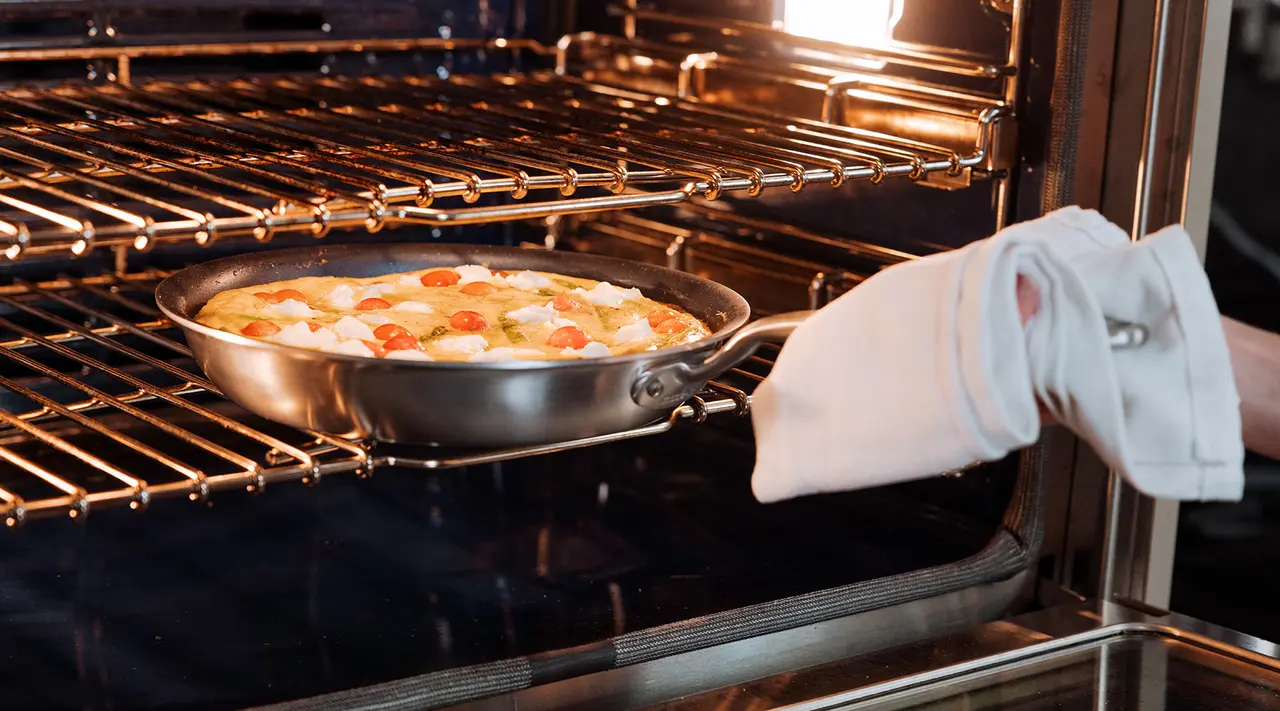
Oven-safe means the whole pan can handle oven heat without damage. That includes the body, handle, lid, knob, rivets, coating, and any silicone grips. Even one weak part can fail.
Key ideas to keep in mind:
- Heat tolerance is set by the lowest-rated part. A plastic handle rated at 350°F limits a stainless pan that could handle 600°F.
- Oven-safe symbols or printed limits are your best guide. Check the pan base, handle, or the brand’s site.
- Lids are often rated lower than pans. Many glass lids top out at 350–400°F.
A quick test I use: I look for an oven icon or a temperature on the handle base. If it only lists stovetop use, I keep it out of the oven. If you wonder can you put pans in the oven without checking first, the safe answer is no.
:strip_icc()/BHG-oven-safe-skillet-hero-2680_1rrwNcHR424Ar7XISRl75a-404a2bf75be940169e049eebed3ba417.jpg)
Types of pans you can put in the oven
Different materials behave in different ways. Here is a clear breakdown.
- Cast iron: Great for searing and baking. The iron itself handles any home oven. Seasoning can smoke above 450°F, so ventilate well.
- Enameled cast iron: Usually safe to 500–550°F. Avoid sudden temperature shocks to protect the enamel.
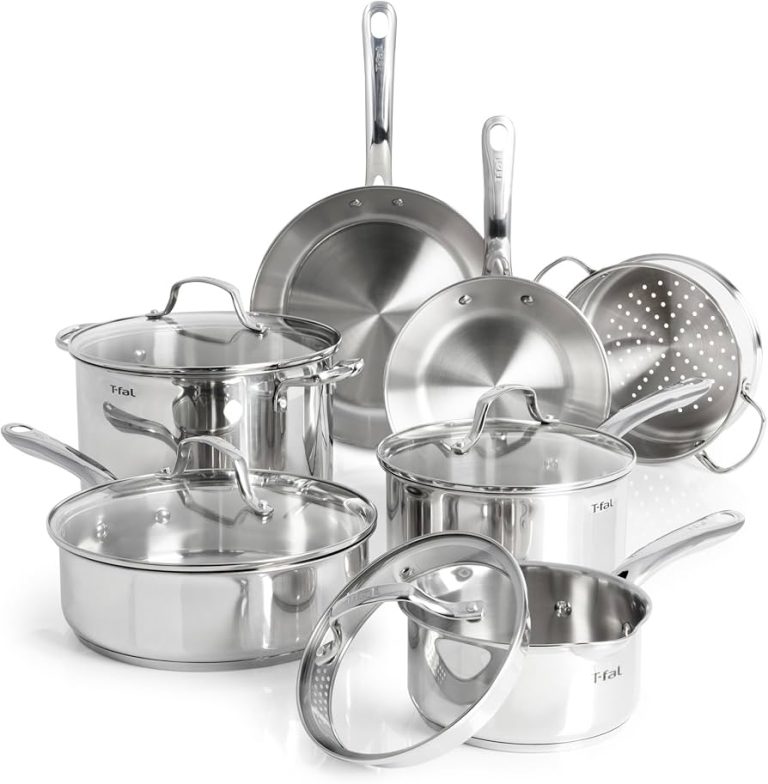
- Stainless steel (including tri-ply): Often safe to 500–600°F, unless the handle or knob limits it. Expect some discoloration at very high heat.
- Carbon steel: Safe to 600°F+ and ideal for oven finishing. Seasoning can darken, which is normal.
- Hard-anodized aluminum: Often 400–500°F. Nonstick coatings on top may set a lower limit.
- Bare aluminum sheet pans: Oven-friendly and common. Can warp at very high heat or with sudden temperature swings.
- Copper: Stainless-lined copper is fine up to 500°F or more. Tinned copper is limited because tin melts near 450°F.
- Nonstick (PTFE or ceramic): Usually 400–500°F. Avoid broilers and do not heat empty at high temps.
- Stoneware and glass bakeware: Oven-safe when labeled. Never use under a broiler or on a stovetop.
Many readers ask, can you put pans in the oven if they have silicone grips? Slip-on silicone sleeves can be safe to about 400–500°F, but confirm the rating first.

What to avoid and temperature limits
Even if the body of the pan is tough, other parts may not be.
Avoid these common weak spots:
- Plastic or phenolic handles: Often limited to 350–375°F.
- Wooden handles or knobs: Not oven-safe. They can crack, scorch, or loosen.
- Rubber or soft silicone with no rating: Can smoke or melt near 400°F.
- Nonstick under a broiler: Radiant heat can exceed safe limits fast.
- Glass lids at very high heat: Many cap at 350–400°F.
- Tinned copper over 425°F: Risk of damaging the tin lining.
Safer heat ranges:
- Cast iron and carbon steel: 500°F+ is fine for the metal. Watch seasoning and oil smoke.
- Stainless steel: 500–600°F, unless the handle or lid says otherwise.
- Most nonstick: 400–450°F is the sweet spot. Some go to 500°F, but check the label.
A big rule I live by: if you have to ask can you put pans in the oven with plastic handles, assume no unless the maker says yes.
How to check if your pan is oven-safe
A quick check can save a pan and your dinner.
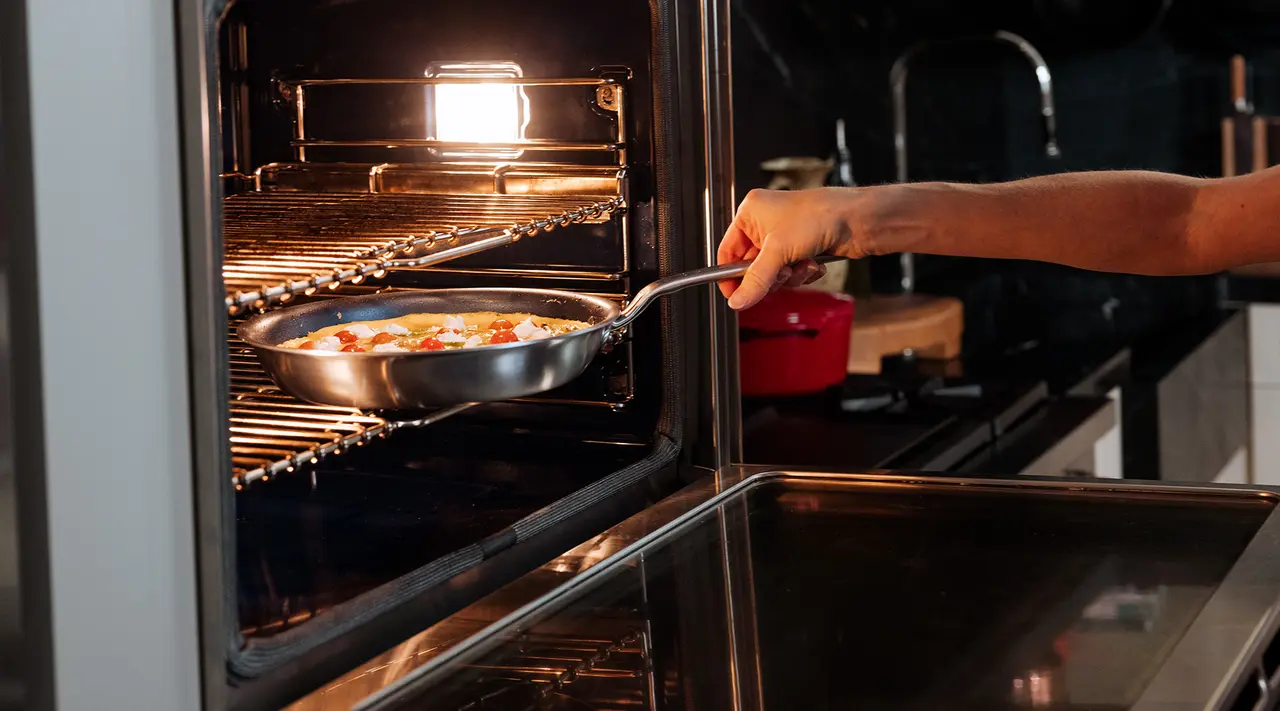
- Read the bottom and handle: Look for an oven icon or max temperature.
- Check the maker’s site: Search your exact model number.
- Inspect parts: Are there plastic, wood, or glued pieces? Those limit heat.
- Consider the lid: If the lid is rated lower, remove it or use foil.
- Use memory aids: I note max temps on masking tape inside my cabinet door.
If you still wonder can you put pans in the oven without clear info, contact customer support for your brand. A short email beats a melted handle.

Best practices: from stovetop to oven
Here is my reliable method when moving a pan into the oven.
- Preheat the oven first: Stable heat gives even cooking and less warp risk.
- Choose the right oil: Pick oils with higher smoke points when searing and baking.
- Dry the exterior: Water droplets can sizzle and stain. Dry bottoms grip racks better.
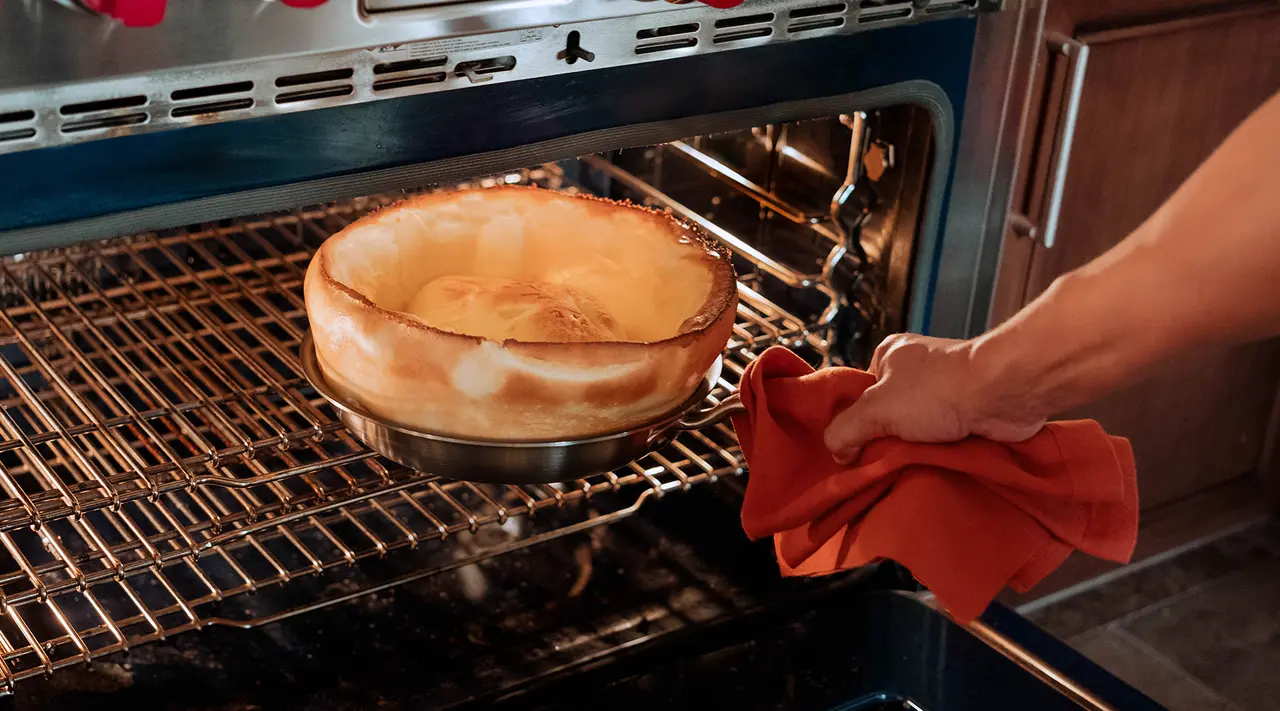
- Mind the handle: Use a dry, thick mitt. Mark hot handles with a towel as a visual cue.
- Avoid thermal shock: Do not add cold liquid to a hot pan. Do not rinse a hot pan under cold water.
- Place in the center: Keeps heat even and reduces warping for thin pans.
- Time the finish: For steaks, finish at 400–450°F for 3–6 minutes, depending on thickness.
Ask yourself before every step: can you put pans in the oven at this temperature with this handle and lid? If yes, move ahead with confidence.
Common mistakes and how to avoid them
I see the same slip-ups again and again. They are easy to fix.
- Forgetting the mitt: A hot handle looks safe. Keep a towel on the handle as a reminder.
- Using the broiler with nonstick: This can ruin the coating fast.
- Leaving an empty pan to preheat too long: Especially risky for nonstick and thin stainless.
- Ignoring the lid rating: Lids often limit the setup. Remove if needed.
- Overcrowding the oven: Air needs space to move. This helps browning and even heat.
If your question is can you put pans in the oven and still keep them like new, the answer is yes if you avoid these traps and stay within ratings.

Quick answers to specific pan questions
Can you put nonstick pans in the oven?
Yes, if labeled oven-safe, usually 400–500°F. Avoid broilers and do not heat empty.
Can you put glass lids in the oven?
Often yes, but many cap at 350–400°F. Check the rating, or remove and use foil.
Can you put a pan with a rubber handle in the oven?
Only if the rubber or silicone is rated, often up to 400–500°F. If no rating, treat as not safe.
Real-world tips from the kitchen
I once slid a skillet with a phenolic handle into a 450°F oven. The handle did not melt, but it softened, smelled, and later cracked. Since then, I check the handle rating every time. When in doubt, I skip the oven or switch pans.
A few tricks that work:
- Use a cast iron or carbon steel pan for sear-then-bake. They shine in the oven.
- For delicate fish, I move from stovetop to a preheated sheet pan. This avoids sticking and keeps the fish moist.
- If I must bake with a glass lid, I set 350°F max and lift the lid for browning in the last 5 minutes.
If you still ask can you put pans in the oven and get pro results, follow these small habits. They protect your pans and your food.

Safety notes most people miss
Small safety steps pay off a lot.
- Vent the kitchen: Hot oil and seasoning can smoke around 400–500°F.
- Keep handles turned in: Brushing a hot handle can cause burns.
- Watch for oil pooling: High sides trap oil and steam. Open the oven slowly.
- Rest meats on a rack: Better airflow and crisp crust.
One last time, can you put pans in the oven with complete safety? Yes, with ratings, care, and good habits.
Frequently Asked Questions of can you put pans in the oven
Can you put pans in the oven if they have plastic handles?
Sometimes, but most plastic handles top out at 350–375°F. Check the exact rating or use a pan with metal handles.
Can you put pans in the oven under a broiler?
Use metal pans without nonstick for broiling. Nonstick and many lids are not safe under direct radiant heat.
Can you put pans in the oven that say hand-wash only?
Yes, if they are labeled oven-safe. Hand-wash only refers to cleaning, not heat tolerance.
Can you put pans in the oven straight from the fridge?
It is better to avoid big temperature jumps. Let the pan and food warm a bit to reduce warping or cracking of lids.
Can you put pans in the oven with detachable handles?
Yes if the body is rated oven-safe. Remove the handle before baking and check the lid rating too.
Can you put pans in the oven with parchment or foil?
Yes, both can help with sticking and cleanup. Keep paper away from direct flame and high broiler heat.
Can you put pans in the oven at 500°F?
Only if the pan, handle, and lid are rated for 500°F. Many nonstick and lids are not.
Conclusion
You can put many pans in the oven, but only when every part is rated for the heat. Check labels, mind handles and lids, and avoid broilers with nonstick. Use cast iron, carbon steel, or stainless when you want high heat and reliable results.
Try one pan-to-oven recipe this week, like a seared steak or a frittata, and practice the steps here. If this helped, share it with a friend, subscribe for more kitchen guides, or leave a question in the comments.

Hi, I’m Mary, the founder of KitchenClue.com. I’m deeply passionate about everything that makes a kitchen smarter, easier, and more enjoyable. I share hands-on insights and practical expertise on kitchen gear that truly helps in daily cooking. Along with my dedicated research team, we study products carefully, and our writers create honest, well-tested reviews using trusted, authentic sources—so you can choose kitchen tools with total confidence.