Can Pots Go In The Dishwasher: Safe Cleaning Guide 2026
Yes and no: some pots can go in the dishwasher, but many should not.
If you have ever wondered can pots go in the dishwasher, you are not alone. As a longtime home cook who tests cookware for real-life use, I have learned what survives a dishwasher cycle and what does not. This guide breaks it down by material, brand advice, and daily habits, so you can clean smarter and keep your pans in top shape.

What the dishwasher really does to pots
Dishwashers use hot water, strong alkaline detergents, and long cycles. Water spray hits hard from several angles. Heat-dry adds even more heat at the end.
That combo is tough on metal and finishes. Aluminum can oxidize and turn dull. Stainless can discolor. Nonstick edges wear down. Wood and plastic parts may warp or crack. Abrasive particles can scratch soft metals when items rub.
Most makers warn about two things. First, high-pH detergents that can pit or haze surfaces. Second, heat-dry that can loosen rivets, damage coatings, and kill seasoning. If you are asking can pots go in the dishwasher, the short science is this: it depends on the pot, its parts, and the settings you use.

Material-by-material guide: can pots go in the dishwasher?
Stainless steel
- Verdict: Often yes, if it is quality 18/10 or tri-ply.
- Risks: Rainbow tint, tea stains, or minor pitting with harsh detergents.
- Tips: Space items so they do not touch aluminum. Skip heat-dry. Use a gentle tablet. Dry by hand to avoid spots.
Nonstick (PTFE/Teflon or ceramic-coated)
- Verdict: Labeled “dishwasher-safe” is common, but hand wash is safer.
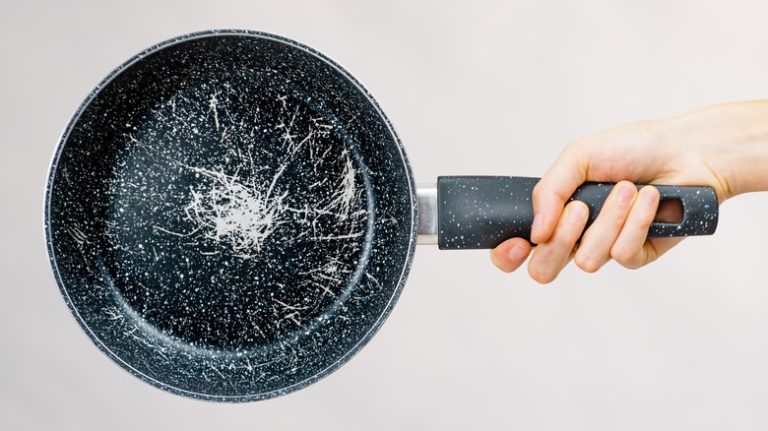
- Risks: Coating wears faster at the rim and around rivets. Warping can happen with high heat.
- Tips: If you must, use a low-temp cycle and skip heat-dry. Avoid stacking heavy pots on top.
Cast iron (seasoned)
- Verdict: No.
- Risks: Rust and total loss of seasoning in one cycle.
- Tips: Hand wash with hot water and a soft brush. Dry right away. Oil lightly to protect.
Enameled cast iron
- Verdict: Many brands say yes, but it is not ideal.
- Risks: Dull enamel over time, chips from banging, rust on exposed rims.
- Tips: Hand wash when you can. If you do dishwash, space it well and skip heat-dry.
Copper (tin- or stainless-lined)
- Verdict: No.
- Risks: Tarnish, pitting, and damaged tin lining.
- Tips: Hand wash, then polish as needed. Keep acids and bleach away.
Aluminum (bare)
- Verdict: No.
- Risks: Gray haze, black streaks, and pitting.
- Tips: Hand wash. If it happens, a gentle cleaner can remove some haze.
Hard-anodized aluminum
- Verdict: Sometimes. Check the label.
- Risks: Dull finish and slow loss of the anodized coat.
- Tips: Use mild detergent and short cycles. Hand washing will keep it looking new.
Carbon steel
- Verdict: No, like cast iron.
- Risks: Rust and ruined seasoning.
- Tips: Hand wash, dry hot, and oil lightly.
Ceramic or enameled steel pots
- Verdict: Often safe, but glaze quality matters.
- Risks: Crazing, chips, and stained rims.
- Tips: Use gentle cycles and avoid over-crowding.
Glass pots and lids
- Verdict: Usually yes.
- Risks: Etching in very hard water and thermal shock if loaded hot.
- Tips: Let cool first. Use rinse aid to prevent film.
Silicone and plastic handles or knob parts
- Verdict: Often top-rack safe.
- Risks: Warping with heat-dry.
- Tips: Check the manual. Skip sanitize and heat-dry modes.
Pressure cooker and multi-cooker inner pots
- Verdict: Stainless inner pots are often dishwasher-safe, but double-check.
- Risks: Gaskets and lids are not.
- Tips: Hand wash lids, valves, and rings. These parts last longer with gentle care.
If you still ask can pots go in the dishwasher, first match the pot’s material to the rules above. Then check the owner’s guide for your exact brand.

How to load and run pots safely in the dishwasher
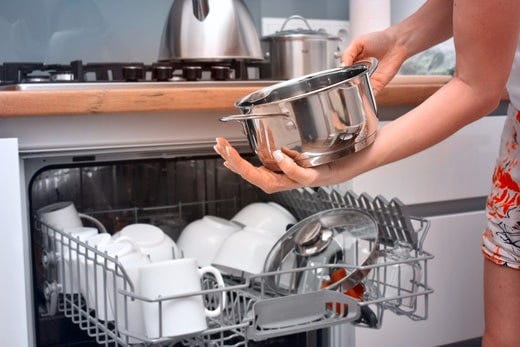
- Place pots on the bottom rack, angled to catch spray, without blocking the arms.
- Do not nest pots. Space them so they do not touch.
- Scrape food first. Burnt starch and sugar bake on in a hot cycle.
- Use a gentle or normal cycle. Avoid sanitize and high-temp boost.
- Skip heat-dry. Open the door after the rinse and towel-dry hot pots.
- Use a mild, bleach-free tablet. Add rinse aid if you have hard water.
- Keep aluminum away from stainless to limit reaction marks.
- Check for loose handles or knobs before washing.
These steps help when you wonder can pots go in the dishwasher but want to reduce risk.

When hand-washing is the smarter move
- Your pot is cast iron, carbon steel, copper, or bare aluminum.
- The pan has a wood handle or a glued-on piece.
- The nonstick is new, thin, or pricey. You want it to last.
- There is burnt sugar, caramel, cheese, or tomato. A soak works better.
- You see rainbow stains or haze. A quick hand clean will fix it.
Hand care tips:
- Stainless: Use a gentle powder cleaner for rainbowing. Rinse well.
- Nonstick: Warm water, a soft sponge, and a drop of soap. No scouring pads.
- Cast iron or carbon steel: Hot water, no soak, dry fast, then oil.
- Copper: Mild soap, then polish if needed. Keep bleach away.
If you ask can pots go in the dishwasher every time you clean, use this rule: if it is fragile, coated, or seasoned, wash by hand.

Real-world lessons from my own kitchen tests
- I once ran a hard-anodized pot for a month in the dishwasher. It went from silky black to flat gray. It still worked, but it looked tired.
- A “dishwasher-safe” nonstick skillet lost its edge coating early. Hand washing extended the life of the next one by a year.
- I tested a cheap stainless stockpot on sanitize mode. It came out rainbow-tinted and spotty. A gentle cleaner fixed most of it.
- I put a carbon steel pan in as a dare. It rusted in patches the same night. I had to re-season from scratch.
These are small mistakes, but they add up. They also explain why the question can pots go in the dishwasher does not have one simple answer. It is about material, cycle, and care.
Myths and facts about dishwashers and pots
Myth: Dishwasher-safe means risk-free.
Fact: It means the pot will not fail at once. Finish wear still happens.Myth: The top rack protects everything.
Fact: Heat and detergent reach both racks. The top is only cooler.Myth: A vinegar rinse fixes all haze.
Fact: It helps with mineral film. It cannot undo pitting or lost finish.Myth: Stronger detergent cleans better.
Fact: It can etch, pit, or dull metals. Gentle wins for cookware.
PAA-style quick answers:
Is it okay to put stainless steel pots in the dishwasher?
Yes, many are fine. Use gentle detergent, avoid heat-dry, and space them well.
Will the dishwasher ruin nonstick pans?
Not at once, but it speeds wear. Hand washing keeps the coating smooth for longer.
Can I put a Dutch oven in the dishwasher?
Bare cast iron is a no. Enameled cast iron can go in rarely, but hand washing is safer.
If you still wonder can pots go in the dishwasher, match the myth-busting above to your pan and cycle.

Frequently Asked Questions of can pots go in the dishwasher
How many times can I wash a nonstick pot in the dishwasher?
You can do it sometimes, but expect faster wear. Hand washing will extend its life by months or even years.
Why did my aluminum pot turn gray after one wash?
Alkaline detergent reacted with the metal. That gray haze is oxidation and often permanent.
Are glass lids safe in the dishwasher?
Most tempered glass lids are safe. Wash on a normal cycle and skip heat-dry to protect gaskets and rims.
Can pots go in the dishwasher with wooden handles?
No. Wood swells, cracks, and loses finish in hot, wet cycles. Hand wash and dry right away.
Do rinse aids help protect pots?
Yes. They reduce spotting and film, especially in hard water. They do not stop pitting or coating wear.
Can pots go in the dishwasher if the brand says dishwasher-safe?
Yes, but that still carries wear risk over time. Follow the brand’s care tips and use gentle settings.
Why does my stainless pot have rainbow colors after washing?
That is heat tint. A gentle stainless cleaner or a vinegar rinse often removes it.
Conclusion
Some pots can go in the dishwasher. Some should never. The best choice depends on material, cycle heat, and detergent strength. When in doubt, hand washing protects finish, coating, and flavor.
Try the safe-load steps on your next cycle, and reserve hand wash for fragile or seasoned pans. Want more smart kitchen care tips? Subscribe, leave a comment with your cookware questions, or share your own before-and-after story.

Hi, I’m Mary, the founder of KitchenClue.com. I’m deeply passionate about everything that makes a kitchen smarter, easier, and more enjoyable. I share hands-on insights and practical expertise on kitchen gear that truly helps in daily cooking. Along with my dedicated research team, we study products carefully, and our writers create honest, well-tested reviews using trusted, authentic sources—so you can choose kitchen tools with total confidence.