Fish Knife vs Butter Knife
You might walk into a fancy restaurant and stare at the table. There are so many forks. So many spoons. And the knives? Well, those can be confusing too. Some look fancy and thin. Others look short and wide. Two of the most misunderstood knives are the fish knife and the butter knife. Let me help you figure out what makes them different and why you might actually need both.
What Is a Butter Knife?
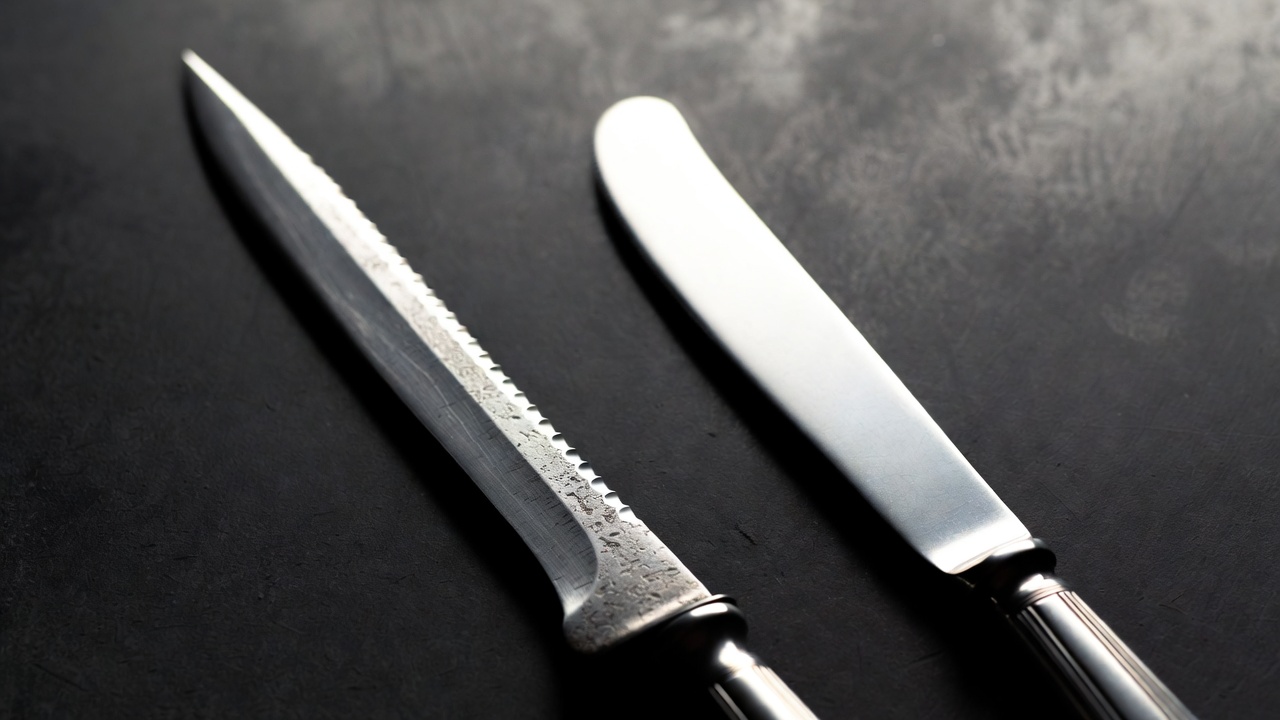
A butter knife is one of the most common utensils in any kitchen. You probably have one right now, or at least you’ve seen one. It’s the small, blunt knife that sits next to your breakfast plate or bread basket. The blade is short and wide. It has a dull edge that can’t cut much at all. In fact, the whole point is that it’s safe and gentle.
The main job of a butter knife is to spread things. You use it to spread butter on toast. You use it to spread jam on bread. You use it to spread cream cheese on bagels. The flat blade makes it easy to apply a thin, even layer of soft spreads. The blunt edge means you won’t accidentally cut your bread into pieces.
Butter knives often come in sets with other flatware. They’re casual and everyday. You’ll find them in regular homes, not just fancy places. They’re affordable. They’re simple. A good butter knife will last for years because you’re not doing anything harsh with it.
The blade of a butter knife is usually made of stainless steel. The handle might be made of the same metal, or it could be made of plastic or wood. Some people love wooden handles because they look nice. Others prefer all-metal knives because they’re easier to clean.
One cool thing about butter knives is that they have many uses beyond spreading. Some people use them to crack open shellfish. Others use them to serve cheese from a board. They can even help you crack eggs. The blunt edge means you can be a bit rough without doing damage.
What Is a Fish Knife?
A fish knife is totally different. This is a knife designed for a specific, fancy purpose. It’s made to help you eat fish with ease. You’ll see fish knives at formal dinners or upscale restaurants. If you get seven courses of food, a fish knife might be one of the special knives on the table.
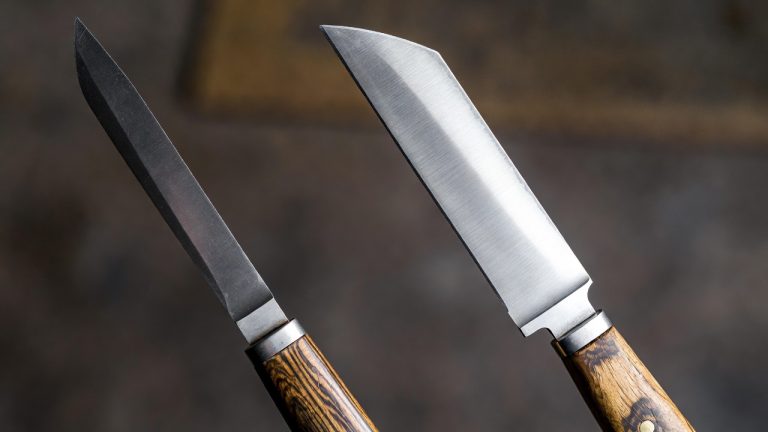
The blade of a fish knife is wider and flatter than a regular dinner knife. It’s shorter too. The edge is usually less sharp than a steak knife because fish flesh is soft. You don’t need a blade that’s sharp enough to cut through bone. You need something that can separate the delicate meat from the bones without tearing the fish apart.
The real magic of a fish knife is in its shape. The blade often has a slight curve or a special design at the tip. This helps you work around small bones and separate the meat from the backbone. The wider surface area gives you more control and makes it easier to navigate the tricky parts of eating fish.
Fish knives often come as part of a fancy silverware set. They have handles that match your other fancy utensils. When you use a fish knife, you’re often eating with a special fish fork on your left side. Together, they make the experience of eating fish a lot easier and more refined.
The size of a fish knife is important. It’s bigger than a butter knife but smaller than a regular dinner knife. This size is perfect for the task at hand. It’s not too heavy, so your hand doesn’t get tired. It’s not too light, so it has enough power to do the work.
Key Differences Between Fish Knives and Butter Knives
Now let’s get down to the real differences. These two knives are made for totally different jobs, and their design shows it.
Size and Length
A butter knife is short. Very short. The blade is usually just two to three inches long. A fish knife is noticeably longer. The blade can be four to five inches or even more. This extra length gives you more reach when you’re working with a whole fish or a large fillet.
Blade Width
The butter knife has a blade that’s relatively wide for its size. This width helps you spread soft things like butter or jam. The fish knife also has a wide blade, but it’s shaped differently. It’s designed to work with food that needs precision, not spreading.
Edge Sharpness
Here’s a big one. The butter knife has a blunt edge. It’s so dull that you can’t really cut anything sharp with it. Some butter knives are completely rounded at the edge. This is totally intentional. You want to be able to drag it across bread without cutting the bread itself.
The fish knife has a sharper edge than the butter knife. It’s not as sharp as a steak knife or a dinner knife, but it’s sharp enough to cut through fish flesh easily. This sharpness matters because you need to separate meat from bones without causing damage.
Handle Design
Butter knives have simple handles. They might be colorful or plain. They might match your other everyday dishes. Many butter knives have handles made of plastic or ceramic because they’re used for casual meals.
Fish knives usually have more formal handles. They match fine silverware sets. The handles are often made of the same metal as the blade, or they have a more decorative design. When you hold a fish knife, it often feels heavier and more substantial than a butter knife.
Intended Use
The butter knife spreads. That’s its main job. You might use it for other things too, but spreading is primary. The fish knife helps you eat fish. It’s a specialized eating utensil. You hold it in your right hand while eating, just like a regular dinner knife.
Price and Availability
Butter knives are cheap and easy to find. You can buy them at any kitchen store. You can get them as part of basic dish sets. They’re common and affordable.
Fish knives are less common. You can’t find them at every kitchen store. You usually buy them as part of a fancy silverware set. They cost more than butter knives. Some people collect them as part of vintage silverware collections.
When to Use a Butter Knife
You’ll use a butter knife every day if you eat breakfast at home. Here are the main times when a butter knife is the right tool for the job.
Spreading Butter and Spreads
This is the classic use. Take a slice of toast. Use your butter knife to grab a small amount of butter from the dish. Spread it on your toast in a thin, even layer. The dull edge means you won’t tear the toast. The flat blade gives you control. This is why the knife is called a butter knife.
Spreading Jam and Jelly
After you’ve buttered your toast, you can use the same butter knife to add jam. The smooth blade works just as well with jam as it does with butter. You might rinse it first if you want to keep the flavors separate. You might just spread the jam right over the butter and mix the flavors. It’s up to you.
Spreads for Bagels and Cream Cheese
Butter knives are perfect for cream cheese. The soft, smooth texture spreads easily with a butter knife. You can get an even coat of cream cheese on your bagel with just a few gentle strokes. Many people also use their butter knife to add other spreads to bagels, like hummus or peanut butter.
Cheese on Crackers
When you’re having a snack or serving appetizers, a butter knife is great for spreading cheese on crackers. Use it to place soft cheese onto a cracker. You can even use it to spread the cheese across the surface. The blunt edge won’t break the cracker.
Serving Soft Cheeses
If you’re hosting a meal and you want to serve cheese from a cheese board, a butter knife can help. You can use it to cut soft cheese like brie or goat cheese. You can use it to scoop cheese onto a plate. It’s gentle enough not to damage the cheese’s appearance.
General Spreading Tasks
Mayonnaise, mustard, hummus, peanut butter, nut butters—there are so many spreads out there. A butter knife works for almost all of them. If it’s soft enough to spread, a butter knife is the right tool.
Opening and Cracking Things
In a pinch, a butter knife can help you crack open shellfish like oysters or clams. The blunt edge is safe, but you still get some leverage. Just be careful because if the shell is too hard, you might hurt yourself.
When to Use a Fish Knife
Fish knives are special tools for special occasions. Here’s when you’d use one.
Eating Whole Cooked Fish
When a restaurant brings you a whole fish, a fish knife is your best friend. You use it to separate the meat from the bones. You work from the head down toward the tail. The fish knife helps you do this delicately without breaking up the meat or mixing it with small bones.
Eating Fish Fillets at Formal Dinners
Even when you’re eating a fillet instead of a whole fish, a fish knife can be the proper utensil at a fancy dinner. It’s shorter than a regular dinner knife, which gives you better control. This is what fine dining etiquette says you should use.
Working with Delicate Fish Meat
Some fish have very delicate meat. Sole, flounder, and halibut are examples. These fish are soft and can easily fall apart. A fish knife’s wide blade and special design help you work with this delicate meat without destroying it.
Fancy Serving Occasions
If you’re serving fish at a special dinner party, you might use fish knives. Your guests will recognize them as fancy flatware. This adds to the sense of occasion. Even if your guests don’t use them perfectly, using the right utensils shows you care about making the meal special.
Eating Oysters or Mussels
Some fish knives can help you open and eat oysters. The wide blade and slight curve make it easier to work with these shellfish. It’s more delicate than using a regular oyster knife.
Separating Fish from Bones
The main skill with a fish knife is separating the meat from the bones. This takes practice. You use the knife to cut along the backbone. You cut down to separate one side of the fillet from the bones. Then you flip and do the same on the other side. The shape of the fish knife makes this job easier.
The Real Similarities
While fish knives and butter knives are different, they do have some things in common.
Both Are Safe
Neither knife is meant to be super sharp. You can use both without fear of cutting yourself badly. The butter knife is the safest because it’s almost totally blunt. The fish knife is sharper, but still not as sharp as a steak knife.
Both Are Specific Tools
Each knife was invented for a reason. Someone needed a better way to spread things, so the butter knife was created. Someone needed a better way to eat fish, so the fish knife was created. Both are purpose-built tools.
Both Require Technique
You might think a butter knife requires no skill. Just smear, right? But actually, applying butter evenly takes a gentle touch. A fish knife definitely requires skill. You need to know how to work around the bones without tearing the meat. Neither knife works well if you don’t know what you’re doing.
Both Come in Nice Sets
You can buy butter knives as part of everyday dish sets. You can buy fish knives as part of fancy silverware sets. Both are often sold as complete collections that match other utensils.
Caring for Both Knives
Taking care of your knives helps them last longer and work better.
Washing Butter Knives
Butter knives are easy to clean. You can throw them in the dishwasher. You can hand wash them with hot soapy water. They don’t require special care. Just rinse off any food and dry them. If you have nice handles, you might want to hand wash them instead of using the dishwasher.
Washing Fish Knives
Fish knives should be handled more carefully. If they’re part of a fancy silverware set, you might want to hand wash them. Dishwashers can damage fine silverware over time. Wash them gently with warm soapy water. Dry them right away so water spots don’t form. Store them safely so the blade doesn’t get damaged.
Storing Your Knives
Butter knives don’t need special storage. Throw them in a drawer with your other utensils. They’re tough and durable. Fish knives should be stored more carefully. Keep them in a silverware chest if you have one. Don’t let them bang against other utensils because this can damage the blade or handle.
Handling and Using
Don’t use either knife for jobs it wasn’t designed for. Don’t try to cut hard things with a butter knife because you’ll just break it or hurt yourself. Don’t use a fish knife to cut meat because you’re wasting a fancy utensil on the wrong job.
Common Mistakes People Make
Let’s talk about some typical blunders people make with these knives.
Using Butter Knives the Wrong Way
Some people try to use their butter knife like a regular knife. They try to cut hard bread or cheese. This doesn’t work. The blade will either bend or break. Plus, it won’t cut anything properly. A butter knife is not a knife in the traditional sense. It’s a spreading tool.
Forgetting Fish Knives Exist
Many home cooks never use fish knives because they don’t know about them. Then they go to a fancy restaurant and get confused. You don’t need a fish knife at home to eat fish. Regular dinner knives work fine. But knowing about fish knives helps you understand formal table settings.
Putting Fine Silverware in the Dishwasher
This is a big mistake. Your great-grandmother’s silverware set might include fish knives. Putting them in a hot dishwasher will damage them. Hand wash all fine silverware gently.
Mixing Up Which Knife to Use First
At a formal dinner, you work from the outside in. The utensil farthest from your plate is the first one you use. If there’s a fish knife, you’ll use it before your dinner knife. If you can’t remember the rule, just watch what other people do.
Thinking You Need Both at Home
You don’t. Most people never use a fish knife at home. If you eat fish at home, use your regular dinner knife. Fish knives are for fancy restaurants and special occasions. You don’t need to buy one.
Do You Need a Fish Knife?
Here’s the honest truth. For most people, the answer is no. You don’t need a fish knife at home. You can eat fish perfectly well with a regular dinner knife. You can eat fish with a fork if you want. The fish knife is nice if you eat fish often at fancy restaurants, but you don’t need to own one.
However, if you’re interested in proper table manners, if you like setting fancy tables, or if you collect silverware, a fish knife is a cool addition. They look elegant. They feel nice in your hand. They’re part of culinary tradition. But they’re definitely a luxury item, not a necessity.
The Takeaway
Fish knives and butter knives are two very different tools made for two very different purposes. A butter knife spreads soft things with its dull, wide blade. A fish knife helps you eat fish with its specially shaped, slightly sharper blade. You’ll use a butter knife almost every day at home. You’ll see a fish knife mainly at fancy restaurants or special occasions.
Understanding the difference between these two knives helps you understand table settings better. It helps you feel more confident at formal dinners. It helps you appreciate the thought that goes into proper dining etiquette. And honestly, it’s just interesting to know why all these different utensils exist.
So the next time you see both of these knives on a table, you’ll know exactly what each one does and why it’s shaped the way it is. You’ll understand that they’re not interchangeable. They’re both important in their own way, even if you only need a butter knife in your everyday kitchen.
Now you can spread that butter with confidence and eat your fish with style.
Quick Reference Guide
Can’t remember which knife is which? Here’s a quick summary.
Butter Knife:
- Short blade (two to three inches)
- Wide and flat
- Blunt edge (almost no sharpness)
- Used for spreading soft foods
- Casual and everyday
- Affordable and common
- Can go in the dishwasher
Fish Knife:
- Longer blade (four to five inches)
- Wide and specially shaped
- Sharper than a butter knife but not as sharp as a steak knife
- Used for eating fish at fancy dinners
- Formal and special
- Less common and more expensive
- Should be hand washed
- Part of fine silverware sets
Now you have the complete picture. Whether you’re asking about everyday spreads or fancy dining, you know the difference between these two important utensils. Each one has a job, and each one is the right tool when used correctly. Happy eating!

Hi, I’m Mary, the founder of KitchenClue.com. I’m deeply passionate about everything that makes a kitchen smarter, easier, and more enjoyable. I share hands-on insights and practical expertise on kitchen gear that truly helps in daily cooking. Along with my dedicated research team, we study products carefully, and our writers create honest, well-tested reviews using trusted, authentic sources—so you can choose kitchen tools with total confidence.