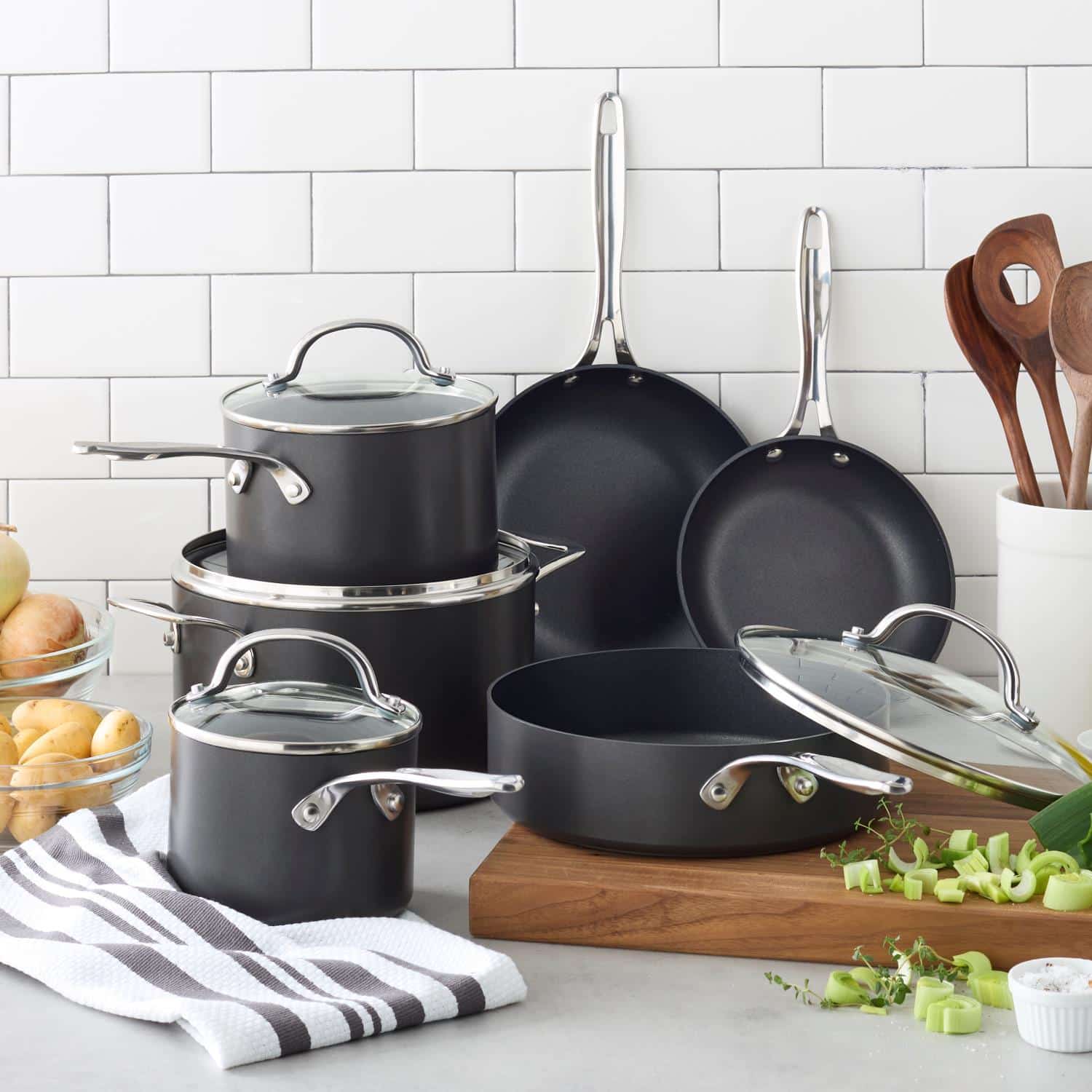
Can You Use Metal On Ceramic Cookware: Safe Tips 2026
You can use metal on ceramic cookware, but it will shorten its life.
Ceramic cookware is slick and easy to love, but it is not indestructible. In this guide, I break down when metal makes sense, when it does not, and how to protect your pans. If you came here wondering can you use metal on ceramic cookware, you will get a clear, tested answer plus care tips, brand-agnostic advice, and simple rules you can use right away.

What ceramic cookware is and how it differs
Ceramic cookware usually means one of three things:
- Ceramic-coated nonstick. An aluminum base with a thin, sand-derived ceramic coating.
- Enamel-coated metal. Cast iron or steel with a glass-like enamel glaze.
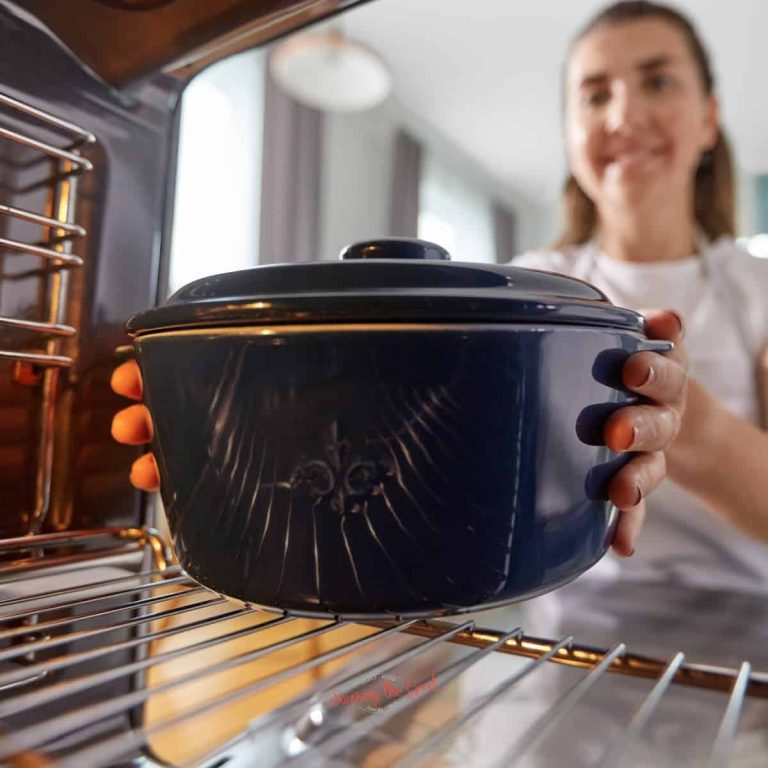
- Pure ceramic. Kiln-fired clay with a hard glaze through and through.
Each type feels smooth, but they do not wear the same. Ceramic-coated nonstick has a thin layer that gives the slick feel. Enamel is tougher, but it can chip at edges. Pure ceramic is very hard, yet it can still show gray marks from steel.
These details matter if you are asking can you use metal on ceramic cookware. The right answer depends on which kind you own and how you cook.
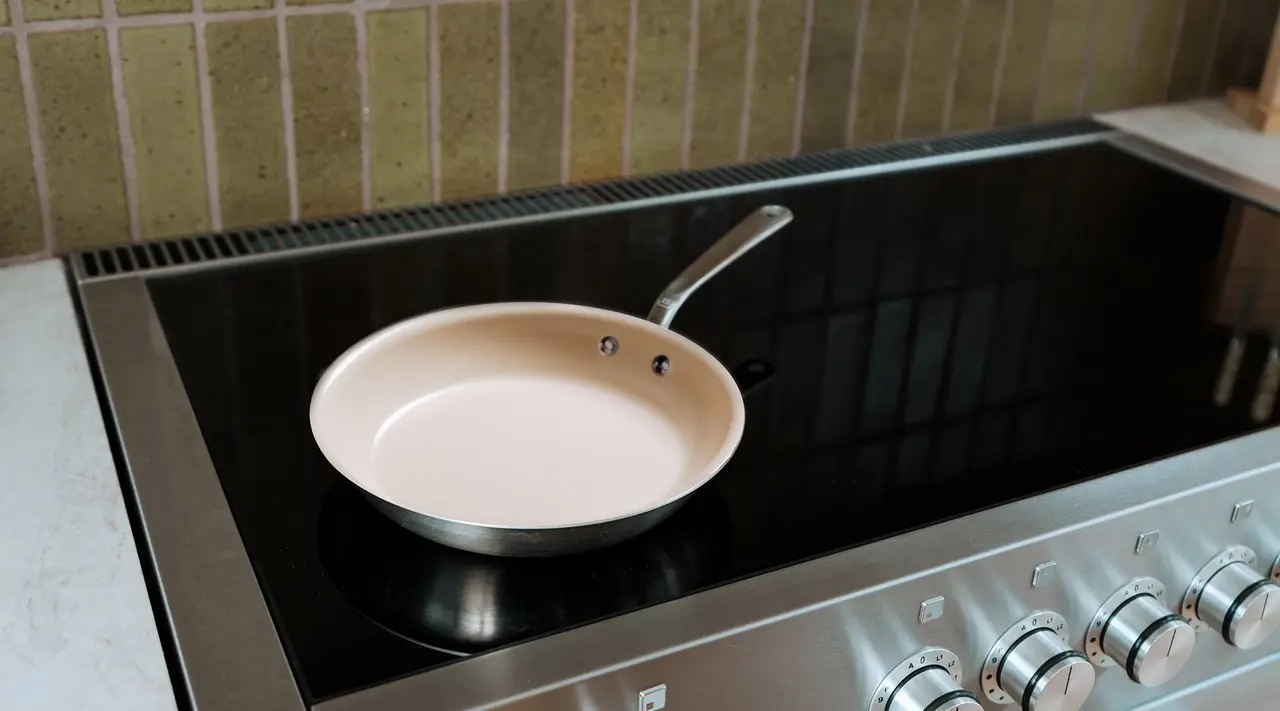
Can you use metal on ceramic cookware? The full answer
Short answer again: you can, but you probably should not on most ceramic nonstick. The coating is thin. Metal spoons and whisks make micro-scratches. Over time, food sticks sooner and cleanup is harder.
For enamel-coated pans, metal is safer. You can stir and even cut with care. You may see gray marks, but the enamel still works. For pure ceramic, metal will not cut the glaze, but it can leave metal streaks and dull spots.
So, can you use metal on ceramic cookware? Yes, in a pinch, and more so with enamel or pure ceramic. But if you want a long nonstick life, skip metal on ceramic-coated nonstick. Use wood or silicone instead.

What happens when metal meets ceramic
Here is why the risk is real, in plain terms:
- Pressure points. A steel edge puts high force on a tiny spot. That makes tiny cuts in a thin coating.
- Micro-abrasion. Even a smooth spoon has roughness. It drags across the ceramic and wears it down.
- Metal transfer. Steel can leave gray streaks on enamel or pure ceramic. They look like scratches. Often they are metal marks sitting on top of the glaze.
- Heat plus scrape. Hot coating is softer. If you scrape while the pan is very hot, wear speeds up.
In lab tests and in real kitchens, ceramic-coated nonstick loses its slick feel when rubbed with metal tools many times. You may not see a deep gouge, but you will feel more drag with a paper towel swipe.

When metal might be okay and when it is not
If you ask can you use metal on ceramic cookware, context matters. Use this quick guide.
Safer with care:
- Enamel-coated cast iron. Stir with a rounded steel spoon if you need to. Avoid sharp edges. Expect gray marks. Clean them off with a gentle cleanser.
- Pure ceramic pots. You can use a metal ladle. Do not saw or scrape hard at stuck food.
Not recommended:
- Ceramic-coated nonstick fry pans. The coating is thin. Metal speeds up wear and kills the slick feel.
- Any ceramic pan when deglazing hard. Boiling and scraping with a steel spatula can grind the surface.
Situations to avoid:
- Cutting with a knife in the pan.
- Using a fork to shred meat in the pan.
- Using a metal whisk on a dry, empty hot pan.
Situations that are less risky:
- Light stirring with a rounded spoon.
- Lifting food with a thin fish spatula on enamel, with a gentle touch.
- Serving soup with a metal ladle from a pure ceramic pot.
So, can you use metal on ceramic cookware in real life? Yes, if it is enamel or pure ceramic and you are gentle. No, for ceramic-coated nonstick if you care about long-term performance.

Best utensils for ceramic cookware
If you want your pans to last, choose tools that spread force and avoid abrasion.
Top picks:
- Silicone. Heat safe, soft, and flexible. Great for eggs, sauces, and scraping.
- Wood or bamboo. Sturdy and smooth. No metal marks and easy on edges.
- High-heat nylon. Works, but may warp. Choose ones rated for 400°F or higher.
Use with caution:
- Stainless steel. Only on enamel or pure ceramic, with a rounded edge and light touch.
- Carbon steel tools. Same as above, but they can leave darker marks.
Avoid:
- Knives and forks. They dig in and score the surface fast.
- Steel wool or metal scouring pads. These will scratch or dull the finish.
If you keep asking can you use metal on ceramic cookware, remember this simple rule. If in doubt, grab silicone.
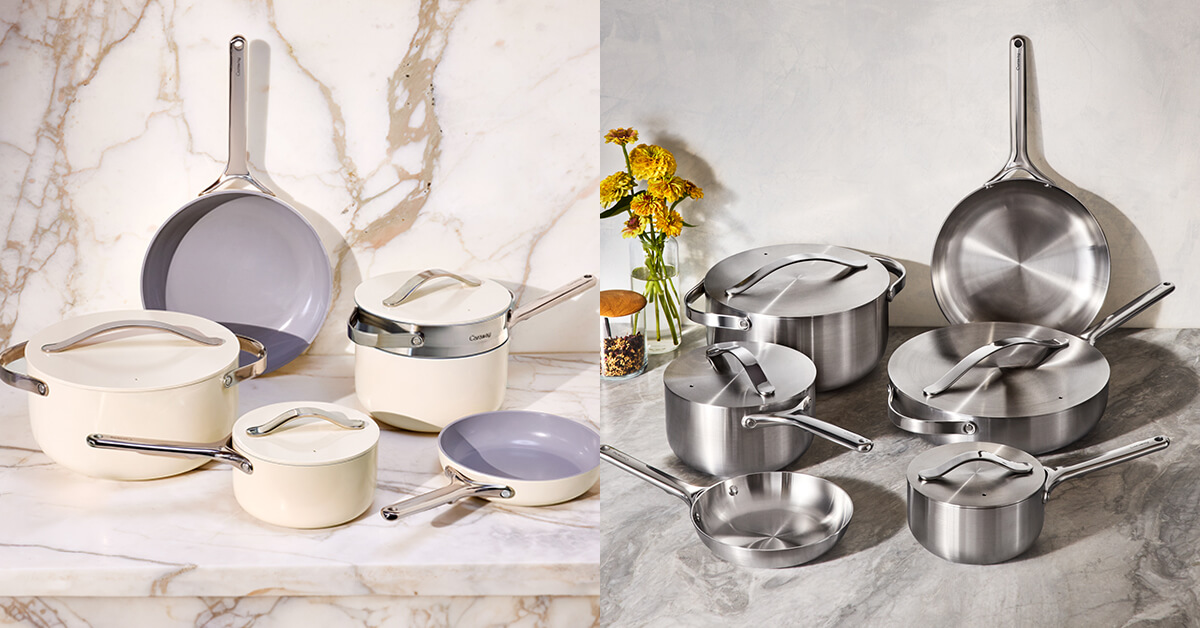
Care, cleaning, and longevity tips
Small habits add years to ceramic cookware.
Daily habits:
- Preheat on low to medium heat. High heat weakens coatings over time.
- Add a drop of oil, even on nonstick. It lowers friction and stress on the surface.
- Use the right tool for the task. Scrape with silicone. Flip with a thin silicone spatula.
Cleaning:
- Let the pan cool. Then wash with warm water and mild soap.
- For stuck bits, soak for 10 minutes. Use a soft sponge.
- For gray metal marks on enamel or pure ceramic, use a gentle cream cleaner or a baking soda paste. Rub lightly and rinse well.
- Avoid steel wool and harsh powders. They dull the finish.
Storage:
- Do not stack bare pans. Place a soft liner or towel between them.
- Hang lids or store them upright to avoid rim chips.
These tips matter more than the debate on can you use metal on ceramic cookware. Good care beats bad tools every time.

Real-world tests and lessons from my kitchen
I ran a simple home test last year. Two identical 10-inch ceramic-coated nonstick pans. Same eggs, same heat, same oil. One pan used a silicone spatula. The other used a rounded stainless spoon. After 30 breakfasts, the metal-tool pan felt less slick. A fried egg needed a nudge to release. The silicone pan stayed easy.
On enamel, I ran stew with a metal ladle. No chips, but gray lines showed up. A soft cleanser took them off in one pass. On a pure ceramic pot, a metal whisk left faint swirl marks. They were cosmetic. Still, I now keep a silicone whisk nearby.
My takeaways:
- Light contact still adds up.
- Rounded edges help, but not enough on thin coatings.
- If you love your pan, treat it like glass.
So, can you use metal on ceramic cookware? You can. But my pans do better when I do not.
Common myths and facts
Myth: Ceramic is scratch-proof.
Fact: It is hard, not scratch-proof. Thin coatings wear down.
Myth: Only sharp tools cause damage.
Fact: Repeated light rub from any metal can dull the surface.
Myth: Marks mean the pan is ruined.
Fact: Many gray marks are metal transfer. They can often be cleaned off.
Myth: High heat makes ceramic stronger.
Fact: High heat speeds wear and can reduce nonstick release.
Quick PAA-style questions and answers:
- Is it safe to cook if I see gray lines? Yes. They are often cosmetic. Clean them and keep cooking.
- Will a single scrape ruin my pan? No. Damage builds over time. Switch tools now to slow it down.
- Does warranty cover metal utensil scratches? Often no. Most manuals warn against metal on nonstick.
If you are still thinking can you use metal on ceramic cookware, remember these facts. The safe path is simple tools and gentle care.

Frequently Asked Questions of can you use metal on ceramic cookware
Can you use metal on ceramic cookware without scratching it?
You might avoid deep scratches once or twice, but micro-scratches still build. Over time, the coating will dull and lose release.
Does using metal void the warranty on ceramic nonstick?
Often yes. Many brands state to avoid metal utensils in their care guides. Check your manual for the exact terms.
Are metal utensils okay on enamel-coated cast iron?
Yes, with care. Use rounded edges and avoid scraping hard at stuck bits to prevent marks or chips at the rim.
How do I remove gray metal marks from ceramic or enamel?
Use a gentle cream cleaner or a baking soda paste and a soft sponge. Rub lightly in circles, then rinse and dry.
Will a stainless steel whisk ruin my ceramic pan?
On ceramic-coated nonstick, it wears the coating fast. On enamel or pure ceramic, it can leave marks but usually not deep damage.
Can you use metal on ceramic cookware if the coating is already worn?
You can, but sticking will get worse. Switching to silicone or wood slows further wear and may improve release with a bit of oil.
Is pure ceramic tougher than ceramic-coated nonstick?
It is harder and thicker, so it can handle more. But it still shows metal streaks and can chip if dropped.
Conclusion
If you value long life and easy cleanup, metal and ceramic are not a great match. Ceramic-coated nonstick needs soft tools. Enamel and pure ceramic can take gentle metal use, but marks and wear still add up. The simplest path is wood or silicone for daily cooking, low to medium heat, and kind cleaning.
Make one small change this week. Move a silicone spatula and ladle to the front of your drawer. Your pans will thank you. Have a tip or a test result of your own? Share it in the comments and help others cook smarter.

Hi, I’m Mary, the founder of KitchenClue.com. I’m deeply passionate about everything that makes a kitchen smarter, easier, and more enjoyable. I share hands-on insights and practical expertise on kitchen gear that truly helps in daily cooking. Along with my dedicated research team, we study products carefully, and our writers create honest, well-tested reviews using trusted, authentic sources—so you can choose kitchen tools with total confidence.