Can I Put A Sauce Pan In The Oven: Safety Guide 2026
Yes, but only if the pan and its parts are rated oven-safe.
If you have ever asked can i put a sauce pan in the oven, you are not alone. I test cookware for a living and cook daily at home. In this guide, I explain when a saucepan is safe in the oven, the limits you should follow, and the smart steps I use in my own kitchen. Read on to cook with skill and keep your gear safe.

What “oven-safe” really means
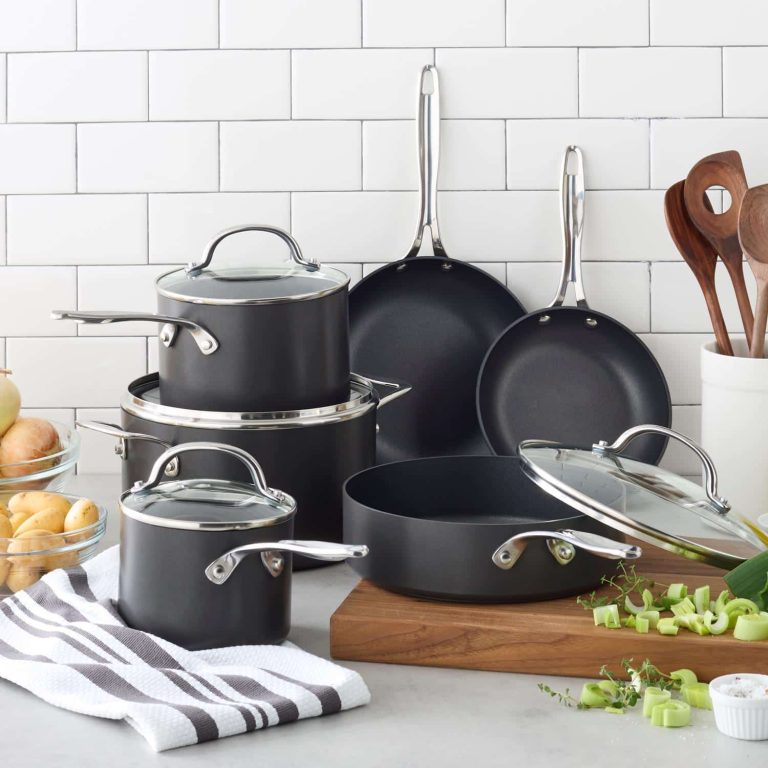
Oven-safe means the whole pan can handle dry heat at a set temperature. That includes the body, the handle, the lid, and any knobs or coatings. If one part fails, the pan fails.
Many people ask, can i put a sauce pan in the oven for searing and finishing. The answer depends on materials, temps, and the maker’s rules. Heat ratings are not guesses. They are tested by brands and based on the weakest part of the pan.

Materials, handles, and lids: what works in the oven
Not all saucepans are equal. Your answer to can i put a sauce pan in the oven depends on the build. Here is a simple guide I use when I check a pan.
Pan body materials
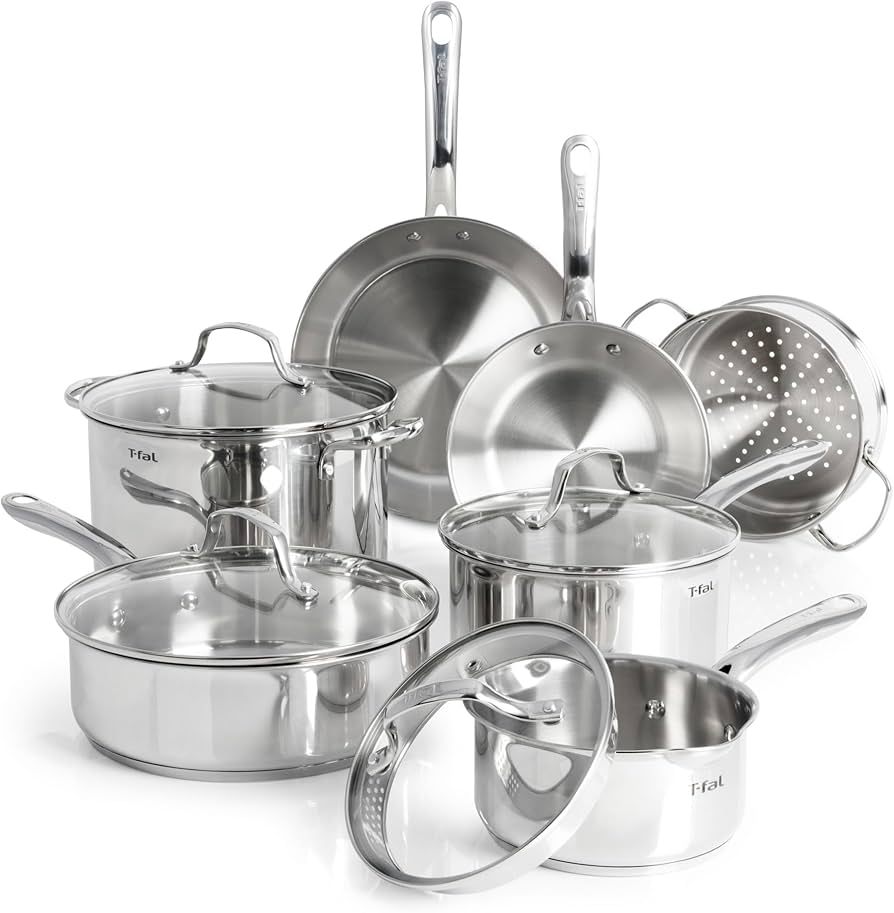
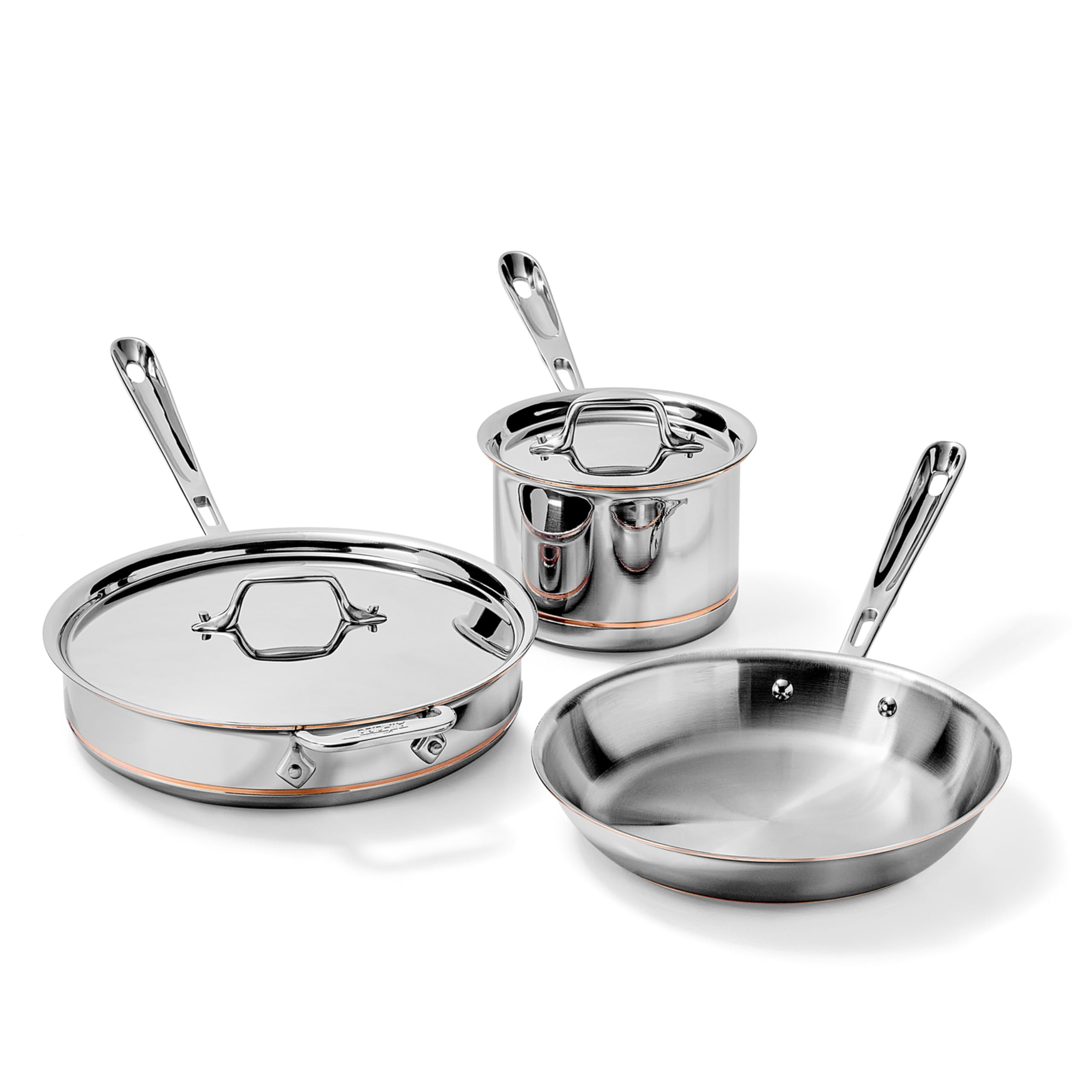
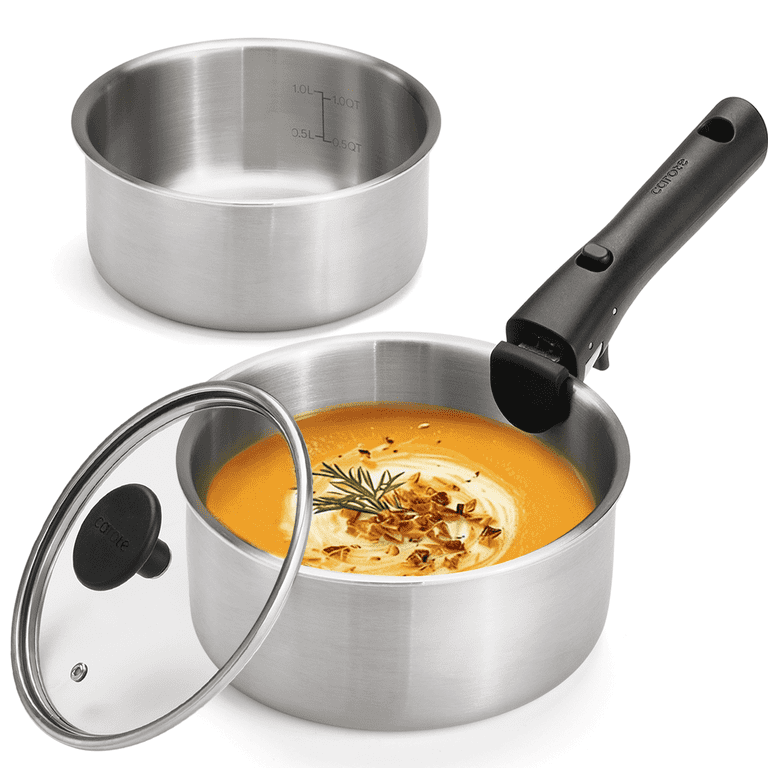
- Stainless steel (clad or single wall): Usually safe. Common rating is 500 to 600°F. Great for sear-to-oven. Avoid shock cooling to prevent warping.
- Cast iron (bare): Safe well past 500°F. It is heavy and holds heat. Seasoning may darken. That is normal.
- Enameled cast iron: Often safe to 480 to 500°F. Check the knob rating on lids. Some phenolic knobs cap at 375°F.
- Hard-anodized aluminum: Often safe to 400 to 500°F. Watch the handle and lid materials.
- Copper (lined with stainless): Pan is often safe to 450 to 500°F. Check handle rivets and any tin lining. Tin versions cap lower, near 425°F.
- Nonstick PTFE: Many are safe to 400 to 500°F. Stay at or under 450°F to protect the coating. Do not broil.
- Ceramic nonstick: Often safe to 400 to 500°F. But coatings can craze at high heat. Keep it under 450°F.
Handles
- Stainless steel or cast iron: Usually oven-safe to 500°F or more.
- Silicone: Often safe to 400 to 428°F. Check the brand.
- Phenolic, Bakelite, or plastic: Often limited to 320 to 375°F. Some are not oven-safe at all.
- Wood: Not oven-safe.
Lids and knobs
- Tempered glass: Often safe to 350 to 400°F. The gasket or rim may limit max heat.
- Stainless lids: Often match the pan, up to 500 to 600°F.
- Phenolic knobs: Often 320 to 375°F unless replaced with metal.
If you wonder, can i put a sauce pan in the oven with a glass lid, check the seal and knob rating. The lid can be the weak link.
How to check if your saucepan can go in the oven
You want a clear yes before you bake. I use this checklist before I say can i put a sauce pan in the oven with this recipe.
- Read the manual. Find the oven-safe symbol or the max temp.
- Check the bottom stamp. Some pans show icons for oven and temp.
- Inspect the handle. Is it metal, silicone, plastic, or wood.
- Inspect the lid. Glass and phenolic often have lower limits.
- Search the model online. Brands list heat limits for exact lines.
- When unsure, treat the lowest-rated part as the limit.
One more tip. If any part smells like hot plastic at 300°F, pull it. That pan is not ready for higher heat.
Temperature limits and the best use cases
To answer can i put a sauce pan in the oven with confidence, match your task to the right temp and pan type.
- Sear on the stove, finish in the oven at 350 to 425°F: Use stainless, cast iron, or enameled cast iron. Leave nonstick for 400°F or less.
- Braise at 275 to 325°F: Most oven-safe pans work. Watch plastic knobs and lids.
- Reduce sauces at 300°F to set a glaze: Stainless or cast iron work well. Watch sugar. It burns fast.
- Bake rice or small casseroles at 350°F: Use stainless or enameled cast iron with a tight lid. Avoid glass lids past 375 to 400°F.
- Broil: Avoid nonstick and glass lids. Use stainless or bare cast iron only if rated for broil.
A key rule still stands. If you keep asking can i put a sauce pan in the oven at high heat, lower the temp or switch to a safer pan.

Safety tips and mistakes to avoid
I have seen handles melt. I have also seen lids shatter. These simple rules prevent drama.
- Preheat the oven with the rack set first. Do not move hot racks with a loaded pan.
- Never exceed the lowest-rated part. Handle, knob, or lid decides the limit.
- Do not broil nonstick. PTFE can degrade at very high heat.
- Use dry towels or mitts. Steam burns are sneaky.
- Do not shock a hot pan with cold water. Let it cool first to avoid warp or enamel cracks.
- Keep birds away from kitchens when using high heat nonstick. Fumes at very high temps can harm them.
- If you still wonder can i put a sauce pan in the oven for a new brand, test at 300°F first for 15 minutes. Check for smells or soft parts.
One more thing. Grease can flare under broil. Keep the oven door closed and use a sheet under to catch drips.
Techniques and recipes that shine with an oven-safe saucepan
If you can answer yes to can i put a sauce pan in the oven, you gain range in the kitchen. Here are ideas I use during the week.
- Pan-roasted chicken thighs: Sear in stainless, add garlic and lemon, finish at 400°F.
- Baked mac and cheese for two: Make the sauce, stir in pasta, top with crumbs, bake at 375°F.
- Stove-to-oven tomato rice: Toast rice in oil, add stock, cover, and bake at 350°F until tender.
- Caramelized onions finish: Start low on the stove, then hold at 300°F to even the browning.
- Frittata for one: Start eggs on medium heat, add toppings, slide into a 375°F oven to set.
Each move saves dishes. It also builds better crust and control.

Real-world notes from my kitchen
I learned the hard way that a lid can fail first. I once asked myself can i put a sauce pan in the oven with this glass lid. I baked at 400°F. The rubber gasket browned. The glass was fine, but the smell told me to stop. Now I cap glass lids at 350°F unless the maker says higher.
I have also scorched a nonstick at 500°F. The sheen faded. Eggs stuck after that. Now I keep nonstick at or under 425°F and never broil it. I use cast iron when I want high heat power.
With stainless, I had a warp after a cold rinse. It still works but rocks on the burner. I now let hot pans cool first. Small steps save gear and money.

Frequently Asked Questions of can i put a sauce pan in the oven
Can I put a sauce pan in the oven if it has a plastic handle?
Usually no. Most plastic or Bakelite handles cap at 320 to 375°F and can melt or weaken.
Can I put a sauce pan in the oven with a glass lid?
Sometimes. Many glass lids are safe to 350 to 400°F, but the knob or rim may limit that.
Can I put a sauce pan in the oven under the broiler?
Use caution. Choose stainless or cast iron only if rated for broil, and never broil nonstick or use glass lids.
Can I put a sauce pan in the oven if it’s nonstick?
Yes, within limits. Keep it at 400 to 450°F or lower, and avoid broiling to protect the coating.
Can I put a sauce pan in the oven if I’m not sure of the brand?
Treat it as not oven-safe. Run a low-temp test at 300°F or switch to a known oven-safe pan.
Can I put a sauce pan in the oven with silicone handles?
Often yes. Many silicone handles are safe up to about 400 to 428°F, but check the manual.
Can I put a sauce pan in the oven if it’s enameled cast iron?
Yes. Most enameled cast iron is safe to 480 to 500°F, but confirm the knob rating.
Conclusion
You can put a saucepan in the oven when every part is rated for the heat. Check the maker’s max temp, watch the handle and lid, and match the job to the right pan. When in doubt, choose stainless or cast iron and stay within safe limits.
Try one stove-to-oven recipe this week and note the difference. If you found this helpful, subscribe for more smart kitchen tips, or leave a comment with your cookware question.

Hi, I’m Mary, the founder of KitchenClue.com. I’m deeply passionate about everything that makes a kitchen smarter, easier, and more enjoyable. I share hands-on insights and practical expertise on kitchen gear that truly helps in daily cooking. Along with my dedicated research team, we study products carefully, and our writers create honest, well-tested reviews using trusted, authentic sources—so you can choose kitchen tools with total confidence.