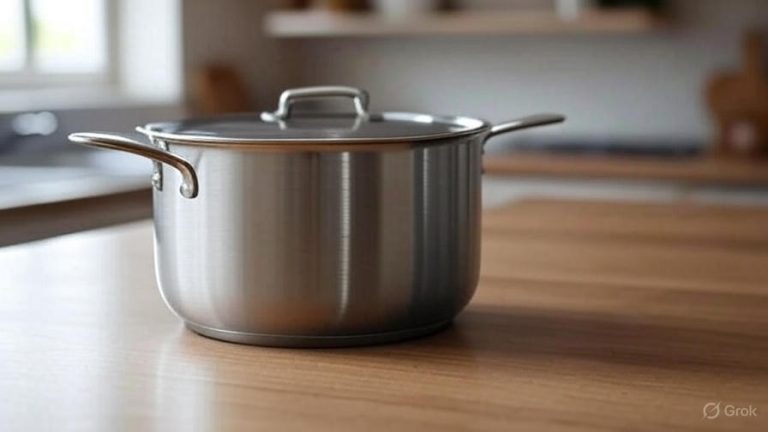
Can You Put Pots In The Oven: Safety Guide And Tips
Yes, you can put pots in the oven if they’re oven-safe and within limits.
That one line saves dinners and pans. But there’s more to it. As a cookware nerd and recipe tester, I’ve tried almost every combo of pot, lid, and oven temp. In this guide, we’ll unpack can you put pots in the oven with simple rules, brand-agnostic facts, and real-life tips so you cook with confidence and never melt a handle again.
What oven-safe actually means
Oven-safe means the pot, its handles, and its lid can handle set oven temperatures without warping, melting, cracking, or releasing fumes. Not all parts are equal. A stainless pot might be fine at 500°F, but its plastic knob might fail at 350°F.
Can you put pots in the oven safely? Yes, when you know the material, the temperature limit, and whether it’s broiler-safe. Always think of the whole system: body, handle, screws, lid, gasket, and any coatings.
Key ideas:
- Oven-safe is about the weakest part, not just the body.
- Labels like oven-safe to 400°F are common. Broiler-safe is rarer.
- Low and slow is safer than high heat, especially with nonstick and glass.

Source: madeincookware.com
Which pots can go in the oven: materials guide
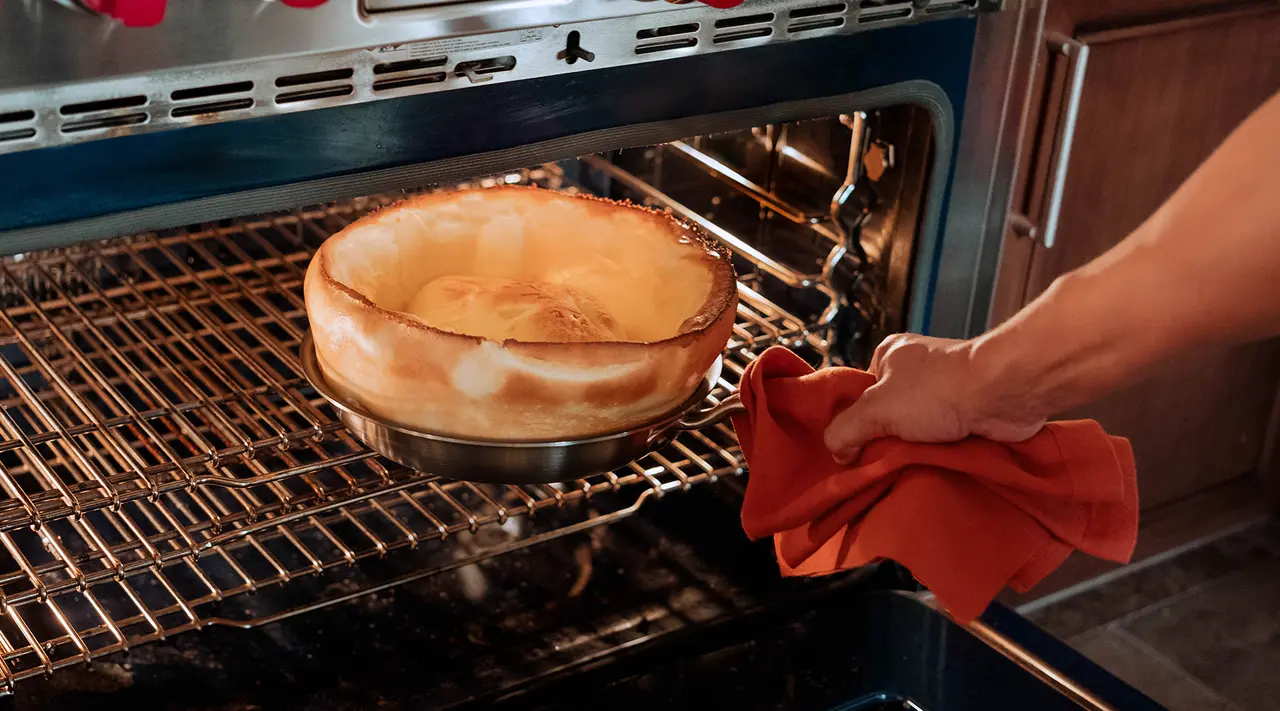
Here’s how common materials behave and where can you put pots in the oven without worry.
Stainless steel
- Usually oven-safe to 500°F. Many are broiler-safe.
- Watch for silicone or plastic handles and lids.
Cast iron (bare)
- Oven-safe and broiler-safe. Great for searing and roasting.
- Seasoning can smoke at high heat. Vent your kitchen.
Enameled cast iron
- Often oven-safe to 500°F if it has a metal knob.
- Some knobs top out at 375–400°F. Check the cap.
Carbon steel
- Similar to cast iron. Oven- and broiler-safe.
- Seasoning will darken. That is normal.
Hard-anodized aluminum
- Many are oven-safe to 400–500°F.
- Nonstick coating, if present, may lower the limit.
Nonstick (PTFE/Teflon-type)
- Often safe to 400–450°F. Avoid broilers and empty preheats.
- Overheating can damage coating and release fumes.
Ceramic nonstick (sol-gel)
- Commonly safe to 400–450°F. Not for broilers.
- Coating can wear faster at high heat.
Glass and ceramic pots
- Follow stated limits, often 350–500°F.
- Avoid thermal shock. Do not go from fridge to hot oven.
Copper
- Tin-lined: keep under about 425°F to protect the tin.
- Stainless-lined: higher limits, but watch handles.
Lids
- Tempered glass: usually 350–400°F. Avoid broilers.
- Metal lids: often match the pot’s top rating.
Handles and knobs
- Silicone: often up to 400–500°F.
- Bakelite or plastic: usually 300–350°F.
- Wood: not oven-safe.
Short answer to can you put pots in the oven with these materials: yes for metals, maybe for glass and nonstick, and no for wood or many plastics.
Temperature and broiler limits by material
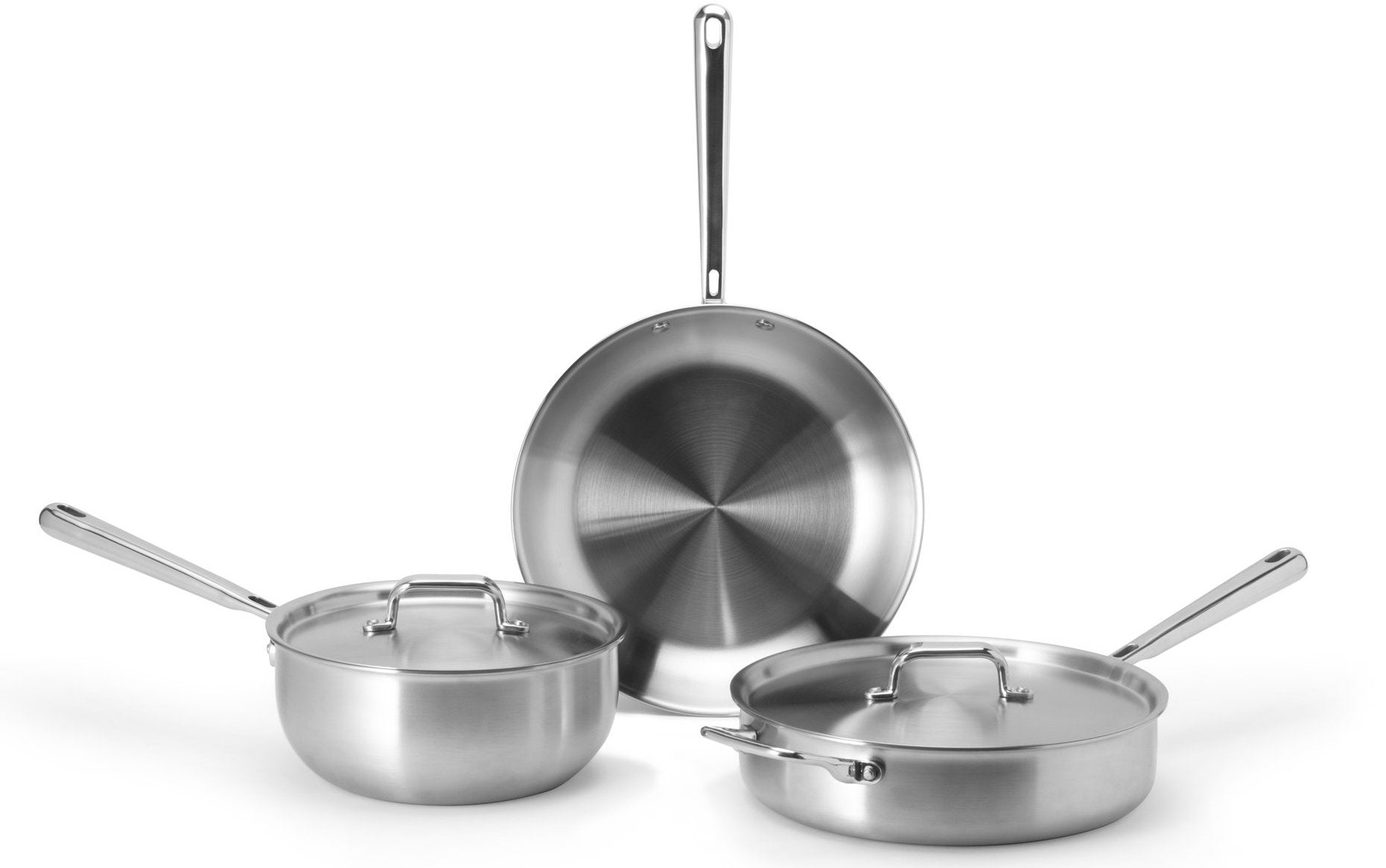
Heat is where can you put pots in the oven becomes tricky. Use these practical bands.
300–375°F
- Safe for most cookware, including many with plastic knobs.
- Good for casseroles and braises.
400–450°F
- Safe for many stainless, cast iron, and hard-anodized pieces.
- Nonstick lives here, but avoid empty preheats.
475–500°F
- For stainless, cast iron, enameled cast iron with metal hardware.
- Check lids. Many glass lids cap at 400°F.
Broiler (550°F+ radiant)
- Metals without coatings do best.
- Avoid nonstick and glass lids. Keep at least 6 inches from the element.
If you wonder can you put pots in the oven under the broiler, treat the broiler as a separate rulebook. Radiant heat is harsher than bake heat. Use bare metal with confidence and skip coated or glass parts.
PAA-style quick answers
- Can I bake bread in a Dutch oven with the lid? Yes. Enameled cast iron with a metal knob handles it well up to 500°F.
- Can a nonstick pot go under the broiler? No. Use stainless or cast iron instead.
- Will silicone handle covers survive 450°F? Many will, but check the rating. Some top out at 400°F.
Source: madeincookware.com
How to tell if your pot is oven-safe
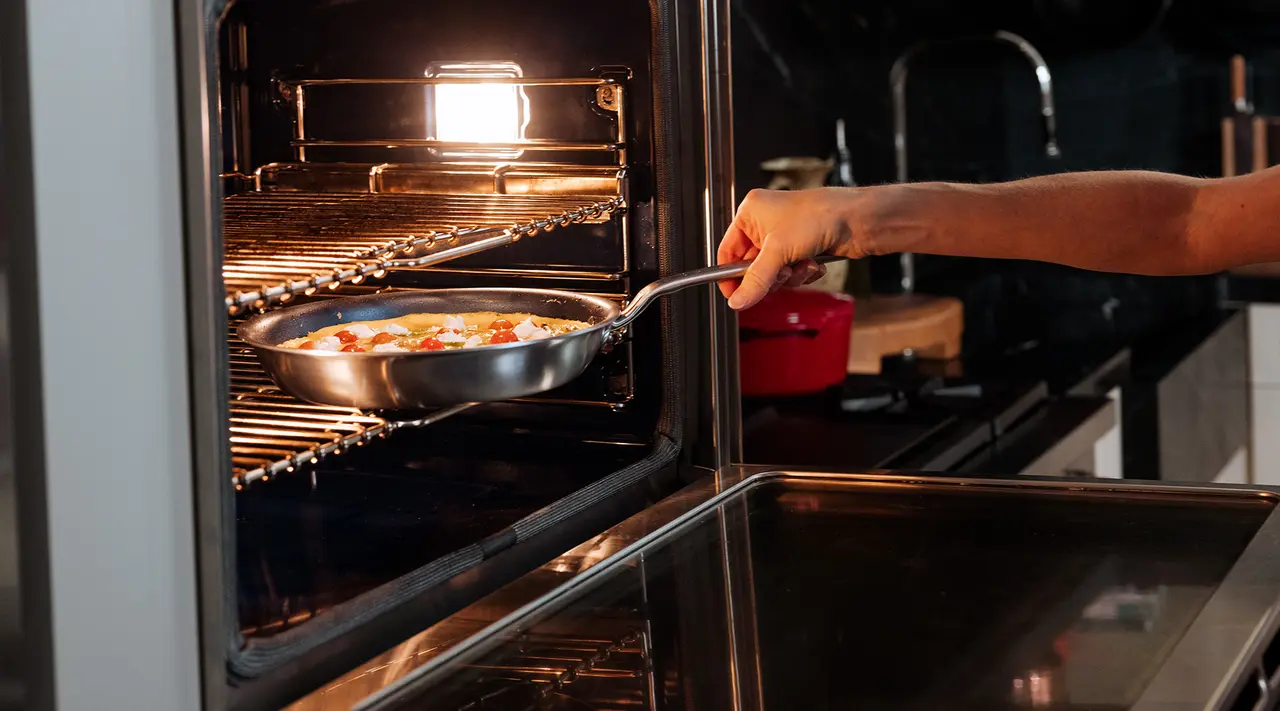
Before asking again, can you put pots in the oven, check these signs.
- Look for a stamp or symbol on the base. Many list max temperature.
- Read the care guide. Brands publish temperature limits and broiler notes.
- Inspect the weak links. Plastic knobs, wood, gaskets, and glued-on parts limit use.
- Check the lid. Glass lids often cap at 350–400°F and are not broiler-safe.
- When unsure, contact the maker with the model number.
My pro tip: if you replace a plastic knob with a stainless one from a hardware kit, many enameled lids become far more oven-friendly. Confirm thread match and use high-temp washers if needed.

How to use a pot in the oven step-by-step
Follow this playbook so can you put pots in the oven is always a yes.
- Confirm the limit
- Check body, handles, and lid ratings.
- Remove silicone sleeves if they are not rated high enough.
- Choose the right rack
- Middle rack gives even heat.
- For broiling, keep distance from the element.
- Preheat smart
- Preheat the oven first for nonstick, glass, and ceramic.
- For bread in a Dutch oven, preheat the pot and lid together.
- Avoid thermal shock
- Do not move hot glass or ceramic onto a cold counter.
- Use a towel or wood board as a landing pad.
- Use the right oil
- High-heat oils reduce smoke. Butter browns fast.
- Handle with care
- Use dry mitts. Wet mitts create steam burns.
- Assume handles are hot even if they look cool.
- Cool down right
- Let the pot rest before washing.
- Never quench hot pans. Warping and cracks can follow.

Source: yahoo.com

Safety tips, mistakes, and care
A few lessons from my own slip-ups, so you do not repeat them.
- Do not trust the stove-to-oven rule without checking. Some lines mix metal pots with low-temp knobs.
- Keep foil off nonstick interiors. It can tear coatings when stuck.
- Skip aerosol sprays on nonstick before the oven. They gum up over time.
- Vent when searing then baking. Cast iron smokes if oil burns.
- For glass lids, keep temps gentle and avoid broilers.
Care after oven use:
- Let baked-on bits soak. Use nylon or wood tools.
- Refresh seasoning on cast iron after high-heat oven jobs.
- Check screws on handles now and then. Heat cycles can loosen them.
If you still ask, can you put pots in the oven with detachable handles, remove the handle first if it is not rated. Most snap-off handles are not oven-safe.

Real-world uses: when stovetop-to-oven shines
This is where can you put pots in the oven pays off in flavor and ease.
Great use cases
- Sear then braise: Brown beef in a Dutch oven, add stock, and finish low and slow.
- Crispy skin chicken: Start skin-side down on the stove, then roast to finish.
- Pasta bakes: Boil, drain, mix sauce in the same pot, top with cheese, and bake.
- No-knead bread: Preheated Dutch oven traps steam for an epic crust.
- One-pan meals: Sauté veg, add protein, and slide into the oven.
From my kitchen
- I once warped a thin aluminum pot under a broiler. Lesson learned: use cast iron or stainless for that blast.
- Swapped a plastic knob on my enameled lid for a steel one. That simple change unlocked 500°F bread bakes.
- I now keep a metal trivet on the counter. No more cracked glass from cold stone tops.
Can you put pots in the oven for weekly cooking? Yes, and it can cut cleanup in half while boosting browning and texture.

Frequently Asked Questions of can you put pots in the oven
Can you put pots in the oven if they have plastic handles?
Sometimes, but check the rating. Many plastics fail around 300–350°F, and none belong under a broiler.
Can you put pots in the oven with glass lids?
Yes, within limits. Most tempered glass lids top out at 350–400°F and should not go under broilers.
Can you put pots in the oven if they are nonstick?
Yes at moderate heat, usually 400–450°F. Never broil nonstick, and avoid empty preheats.
Can you put pots in the oven made of stainless steel?
Usually yes up to 500°F, often broiler-safe. Confirm handle and lid materials.
Can you put pots in the oven straight from the fridge?
Avoid that with glass or ceramic to prevent thermal shock. Metal pots handle it better, but preheating the oven first is still wise.
Conclusion
You now have the simple rules to answer can you put pots in the oven every time. Match the temperature to the weakest part, treat broilers with extra caution, and avoid thermal shock. Use these steps and tips to unlock better browning, easier one-pan meals, and fewer dishes.
Try one stovetop-to-oven recipe this week and note the difference. Want more guides like this? Subscribe, share your kitchen wins, or drop your questions in the comments.

Hi, I’m Mary, the founder of KitchenClue.com. I’m deeply passionate about everything that makes a kitchen smarter, easier, and more enjoyable. I share hands-on insights and practical expertise on kitchen gear that truly helps in daily cooking. Along with my dedicated research team, we study products carefully, and our writers create honest, well-tested reviews using trusted, authentic sources—so you can choose kitchen tools with total confidence.