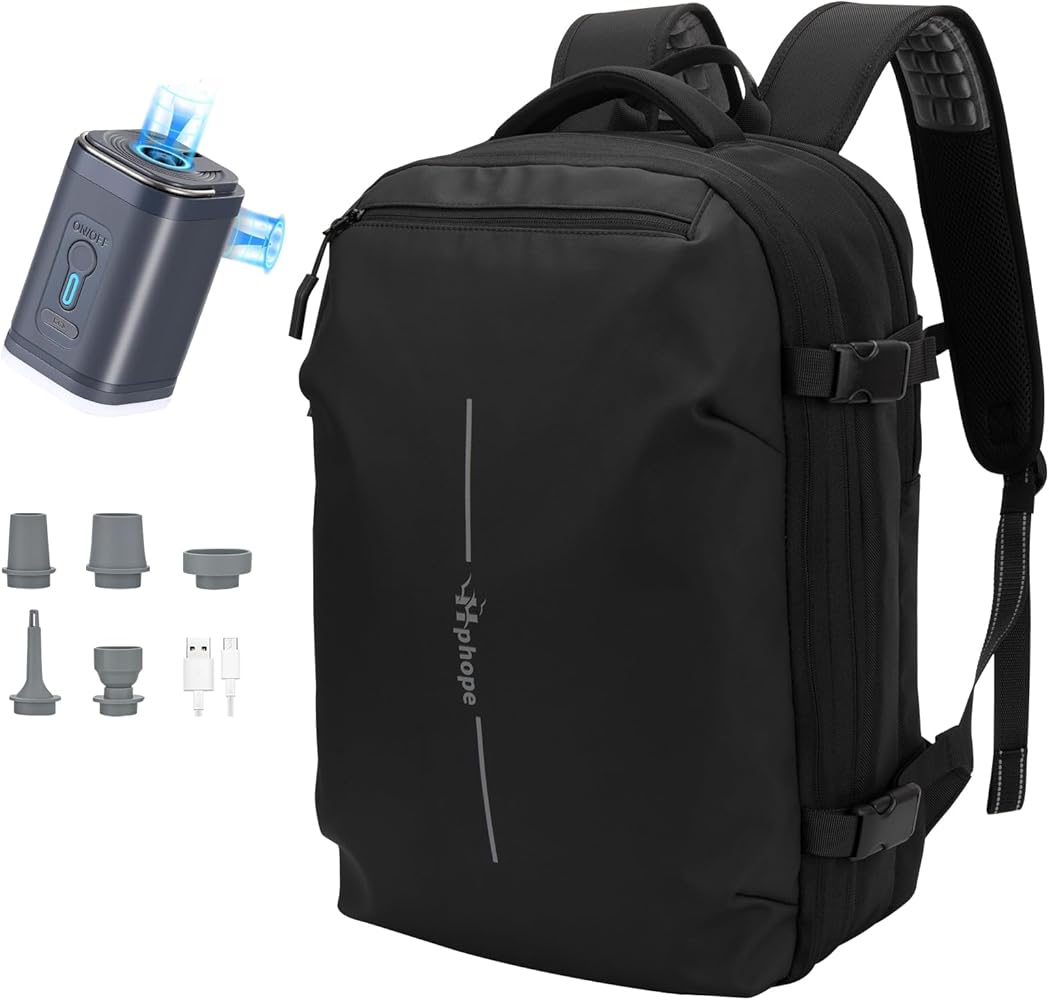
Can You Use Vacuum Seal Bags On A Airplane: TSA Rules
Yes, you can use vacuum seal bags on a airplane with limits.
If you have ever wondered, can you use vacuum seal bags on a airplane, you’re in the right place. I’ve packed hundreds of bags for work and family trips and tested many setups. This guide explains rules, smart packing, and what to avoid. You will learn when you can use vacuum seal bags on a airplane without stress, surprise fees, or security delays.
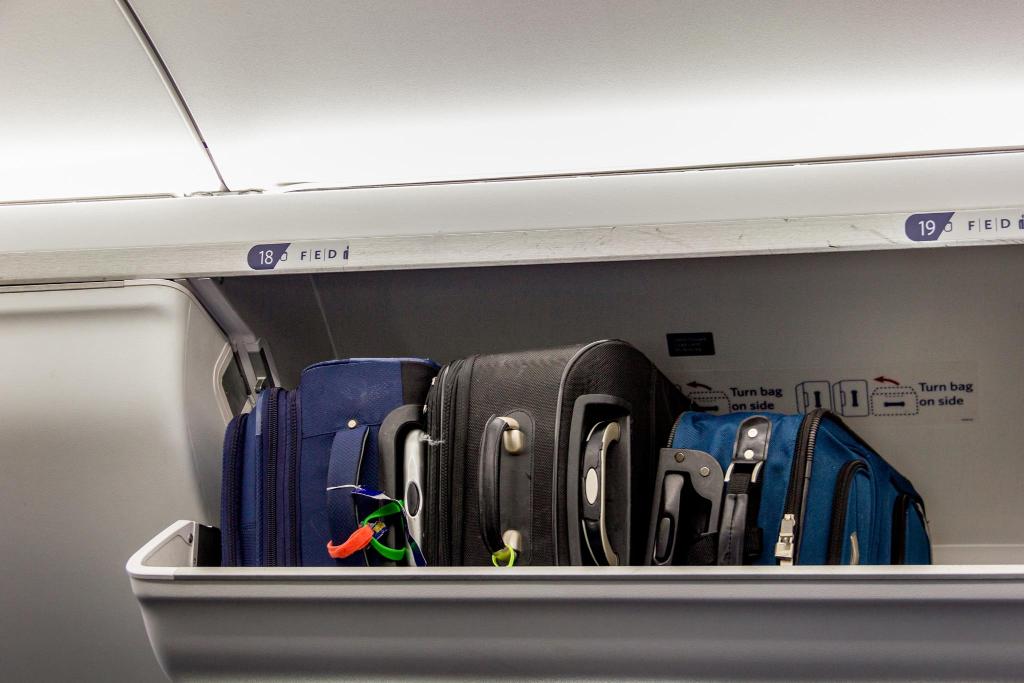
Are Vacuum Seal Bags Allowed on Planes? TSA and Airline Rules
Short answer: yes, in both carry-on and checked luggage. Security agencies allow vacuum-sealed clothing and most dry foods. Screening officers must still see what is inside and may open a bag for inspection. That is normal and not a problem.
Here is what the main rules mean for you:
- Carry-on screening: Officers may ask you to open a vacuum bag so they can swab or inspect items.
- Liquids rule: Liquids and gels in carry-on must still follow the 3-1-1 rule, even if vacuum sealed.
- Batteries: Lithium batteries must be in carry-on, not sealed in checked bags.
- Food: Dry snacks are fine. Meat, fish, or soft cheeses can be checked or carried if allowed, but must be fully frozen if using ice packs in carry-on.
- Airline policies: Most airlines allow space-saver bags. Some fish or meat rules vary, so check your airline’s guidance.
People ask all the time, can you use vacuum seal bags on a airplane if you are packing food? You can, but security and customs rules still apply. Also, the cargo hold is pressurized, so your bags will not burst from altitude alone.

Space and Weight: What Vacuum Sealing Really Does
Vacuum seal bags save space, not weight. I have seen bulky sweaters shrink to half the volume. That is great for small suitcases or light carry-ons. But the scale does not lie. You can still hit a weight limit fast.
Use these habits to avoid weight fees:
- Weigh luggage at home after sealing.
- Spread dense items across bags to balance weight.
- Do not compress everything. Keep a few items unsealed for padding or easy access.
If you ask, can you use vacuum seal bags on a airplane to bring more, the trap is simple. You fit more, then pay more. Pack to your weight limit, not your suitcase’s new space.
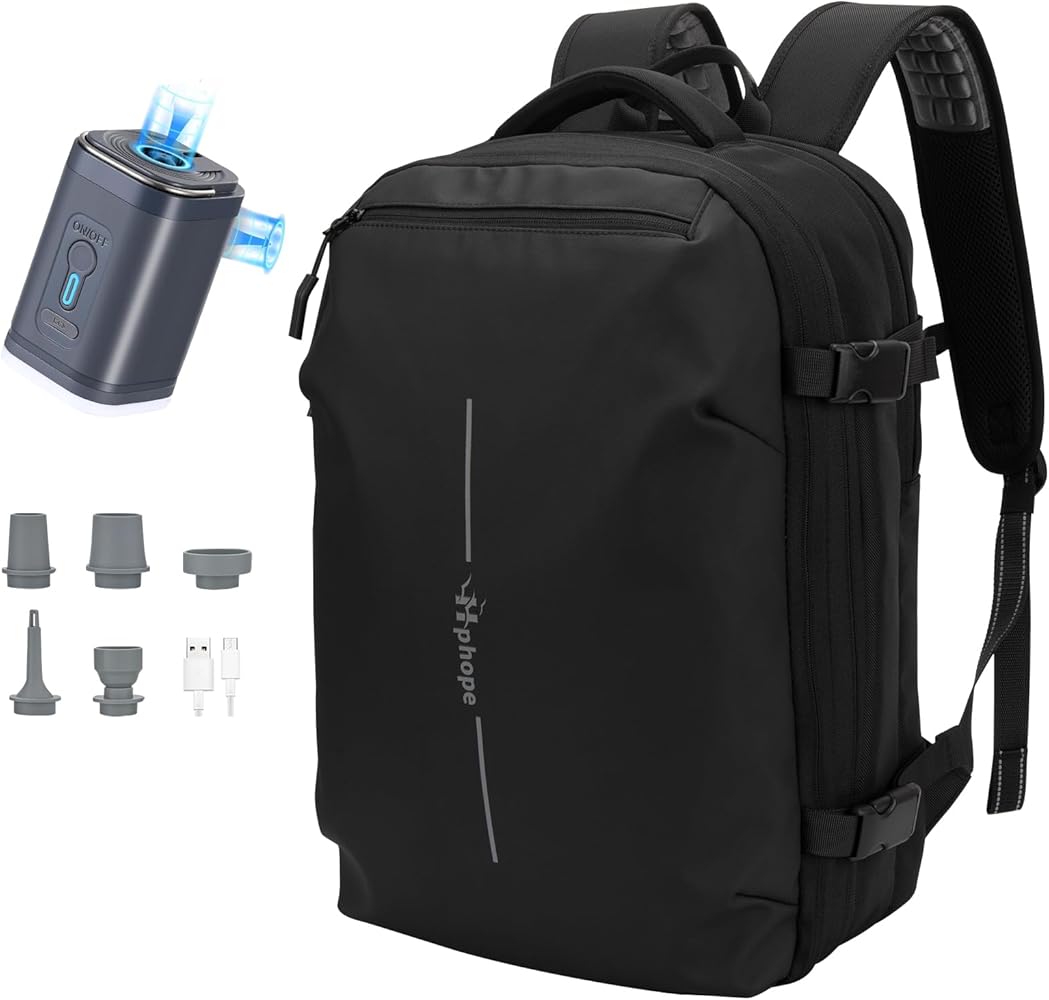
What You Can and Cannot Pack in Vacuum Bags
Vacuum seal bags work best with soft, clean, and dry items. They can also hold snacks or dry foods. Still, there are hard rules and common sense limits.
Good items to seal:
- Clothing, socks, and underwear
- Jackets and puffers you plan to re-fluff later
- Bedding, towels, and soft toys
- Dry foods like nuts, cereal, or coffee
Items to avoid or rethink:
- Liquids and gels over 3.4 oz in carry-on
- Lithium batteries or power banks in checked luggage
- Fragile items that can deform under pressure
- Damp clothes, which can grow mold
If you wonder, can you use vacuum seal bags on a airplane for meat or fish, you can. But you need a leakproof setup, clear airline rules, and proper temperature control. Customs rules also apply at your destination.

Safety, Pressure, and Bag Performance in Flight
Planes cruise at a cabin equivalent of up to about 8,000 feet. The cargo hold is pressurized and temperature controlled. That is why pets and instruments can travel there. Vacuum bags handle this environment well.
Watch for these factors:
- Expansion risk: Poorly sealed or valve-style bags can puff a little. Use quality double-zip bags.
- Moisture: Do not seal damp clothes. Dry them first to prevent odor or mold.
- Food safety: Freeze perishables. Use frozen gel packs in carry-on only if they are fully frozen at screening.
- Dry ice: If you use dry ice, follow airline caps and labeling rules.
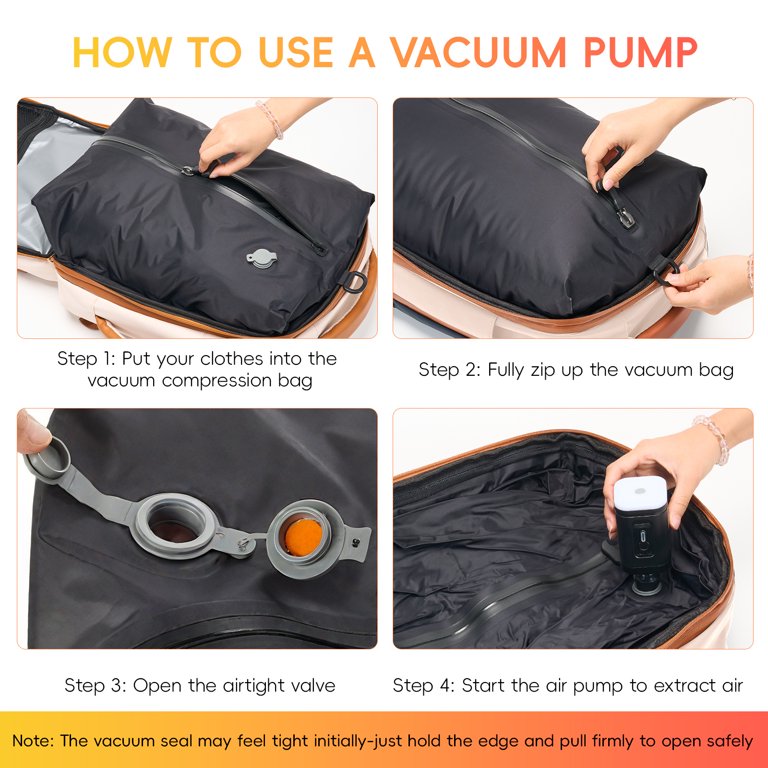
Many travelers ask, can you use vacuum seal bags on a airplane without a pump? Yes. Manual roll-up compression bags work well and avoid battery rules.

Packing Strategies for Carry-On and Checked Bags
Plan your layout so security is quick and your items stay safe. It also helps you avoid repacking on the floor.
Carry-on strategy:
- Place vacuum bags near the top for easy inspection.
- Keep 3-1-1 liquids in a separate clear pouch.
- Put electronics and batteries outside any sealed bag.
Checked-bag strategy:
- Use tougher bags for long flights. Double-bag if packing food.
- Leave space in the suitcase so seals are not under strain.
- Label contents. It helps if security opens your bag.
If you ask, can you use vacuum seal bags on a airplane and still breeze through security, yes. Set your bag up so an officer can inspect one sealed pack without digging through everything.
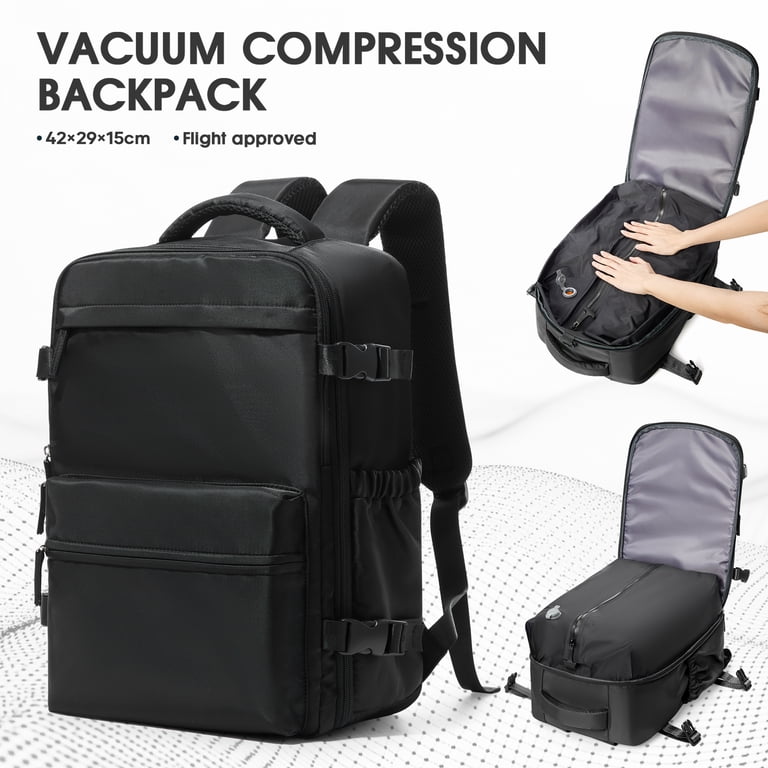
Tips, Mistakes to Avoid, and My Real-World Lessons
From dozens of trips, these habits help the most:
- Test at home. Pack, compress, and then repack once so you learn the flow.
- Carry a spare bag. If security opens one, you can reseal fast.
- Keep a small manual pump or use roll-up bags. That avoids battery issues.
Common mistakes:
- Overpacking to the weight limit. Space savings can hide heavy loads.
- Sealing damp laundry. It smells worse by landing time.
- Ignoring customs. Vacuum sealing does not make restricted foods okay.
On one winter trip, I sealed ski layers so well I added extras. The bag fit, but I paid an overweight fee at check-in. Since then, I pack to weight first, then compress for space. If someone asks me, can you use vacuum seal bags on a airplane without trouble, I say yes, with a scale and a plan.

International Travel, Customs, and Agriculture Rules
Vacuum sealing does not bypass customs. Many countries restrict meat, fresh produce, seeds, and dairy. Some even check packaged foods. Declare when in doubt.
What to know before you go:
- Read your destination’s food rules. Meat and fresh fruit are often banned.
- Keep store labels on factory-sealed goods.
- Declare food on arrival forms. Penalties for not declaring are high.
People often ask, can you use vacuum seal bags on a airplane to sneak in snacks. You can use the bags, but you must still meet import rules. Declaring is always safer.
Environmental Impact and Smarter Alternatives
Vacuum bags can be reusable, but many people treat them as single-use. That adds plastic waste. Choose gear you can reuse for years.
Greener choices:
- Buy durable, reusable vacuum bags.
- Use packing cubes with compression zippers.
- Roll clothes tightly and add luggage straps inside.
If your goal is simple space savings and you ask, can you use vacuum seal bags on a airplane or should you use cubes, try both at home. Use vacuum for bulky items. Use cubes for daily wear and quick access.

Frequently Asked Questions of can you use vacuum seal bags on a airplane
Can you use vacuum seal bags on a airplane for carry-on clothes?
Yes. They are allowed in carry-on bags. Be ready to open them for inspection.
Do vacuum seal bags explode on planes?
No. Cargo holds are pressurized. Cheap bags may puff or leak, but they do not explode.
Can you use vacuum seal bags on a airplane for food like meat or cheese?
Yes, if airline and customs rules allow it. Keep items cold and leakproof, and declare when required.
Is a vacuum pump allowed in carry-on?
A small electric pump is allowed, but keep lithium batteries in carry-on. Manual pumps are simple and avoid battery rules.
Will vacuum sealing reduce baggage fees?
It reduces volume, not weight. You can still exceed airline weight limits and pay fees.
Can I pack liquids over 3.4 oz if they are vacuum sealed?
No. The 3-1-1 liquids rule still applies to carry-ons. Check larger liquids in your hold luggage.
Are space-saver roll bags better than vacuum bags for flights?
They are great for travel because they need no pump. They compress well and are easy to reopen for screening.
Can you use vacuum seal bags on a airplane when traveling internationally?
Yes, but customs rules still control what food or plant items you can bring. Always check and declare.
Conclusion
Vacuum seal bags are flight-friendly tools when you respect security, weight, and customs rules. They save space, keep gear tidy, and can simplify long trips. Pack light, keep liquids separate, and plan for inspections.
Try a test pack before your next trip. Use a scale, choose reusable bags, and keep one spare for the return. If this helped, share it with a travel buddy, subscribe for more practical tips, or drop your questions in the comments.

Hi, I’m Mary, the founder of KitchenClue.com. I’m deeply passionate about everything that makes a kitchen smarter, easier, and more enjoyable. I share hands-on insights and practical expertise on kitchen gear that truly helps in daily cooking. Along with my dedicated research team, we study products carefully, and our writers create honest, well-tested reviews using trusted, authentic sources—so you can choose kitchen tools with total confidence.