Can You Use Metal Utensils On Ceramic Pans: Dos And Don’ts
You can use metal on some ceramic pans, but it will scratch and shorten their life.
If you have ceramic cookware, you want answers you can trust. Can you use metal utensils on ceramic pans is a common question, and the truth has nuance. I test pans for a living, and I’ve seen coatings fail fast from the wrong tools. In this guide, I break down what happens at the surface, when metal is okay, how to avoid damage, and what to use instead. Stick with me, and you’ll cook with confidence and keep your pans slick for longer.
What “ceramic pans” really are
Ceramic pans come in three main types, and the differences matter.
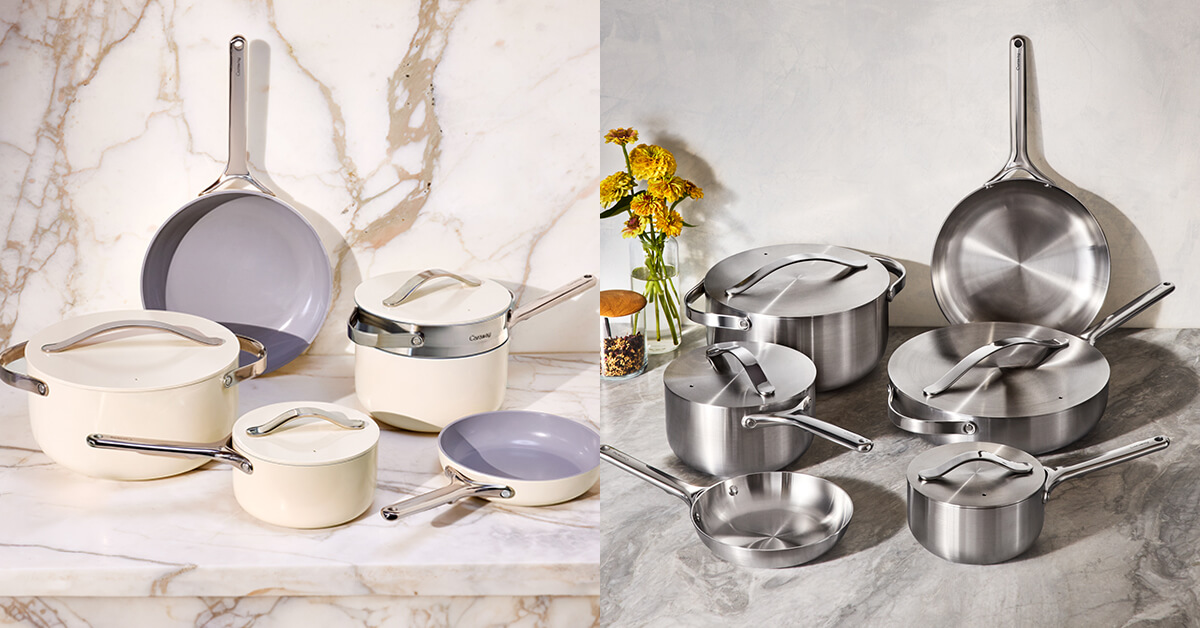
- Ceramic nonstick: An aluminum or steel pan with a thin, sol-gel ceramic coating. It looks glossy and releases like Teflon when new.
- Enamel-coated cast iron or steel: A thick, glassy enamel fused to heavy metal. Think Dutch ovens and enamel skillets.
- Fully ceramic or glass-ceramic: Rare for stovetops. More common in bakeware.
Each surface reacts to metal in a different way. Ceramic nonstick is thin and can scratch or abrade fast. Enamel is harder, but it can chip if hit or scraped with force. True ceramic resists wear, but it is brittle and can crack with shock.
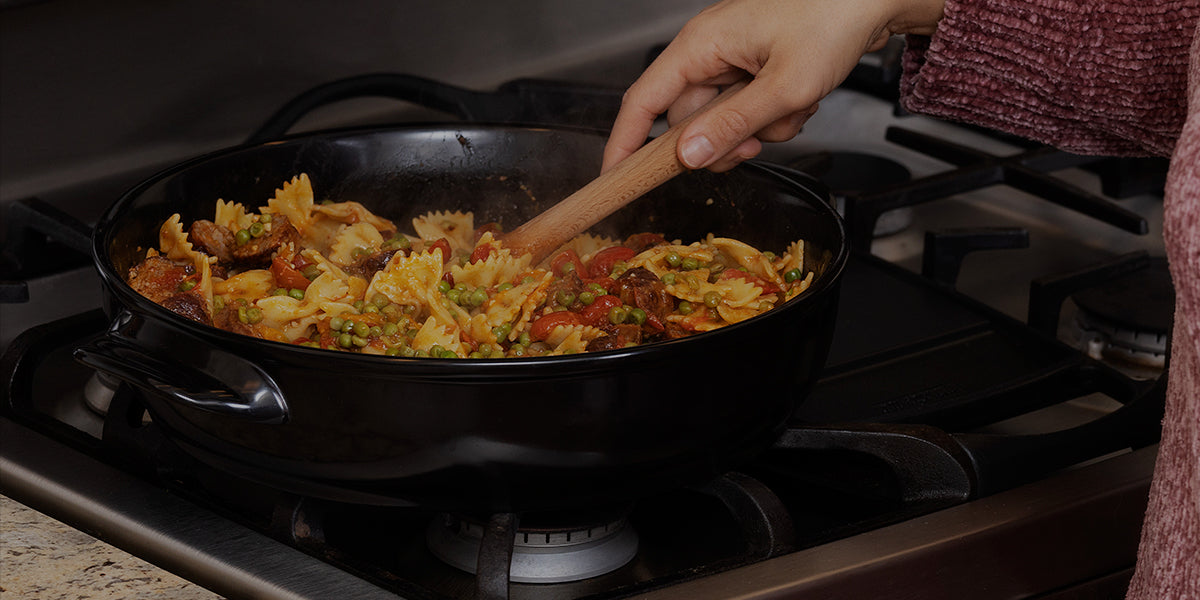
Can you use metal utensils on ceramic pans?
Short answer: can you use metal utensils on ceramic pans? Yes, you can, but you probably should not. Most makers of ceramic nonstick warn against metal tools. I have seen metal spatulas leave light swirls in a single weekend.
There are exceptions. Some enamel pans accept stainless steel utensils with care. A few ceramic nonstick lines claim “metal-utensil safe,” but even those advise gentle use. When readers ask, can you use metal utensils on ceramic pans daily, my answer is no if you want the coating to last.

Why scratches matter on ceramic coatings
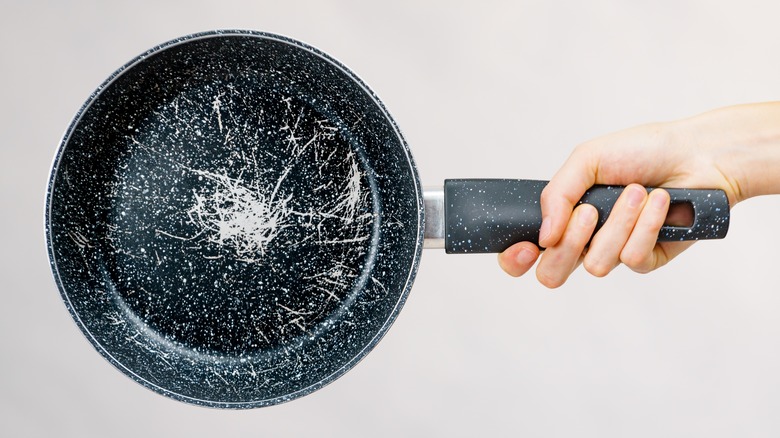
Ceramic nonstick feels hard. Still, the top layer is thin and somewhat brittle. Metal edges cause micro-cuts and glaze loss. Heat and oil make that worse over time.
Here is what I see in testing:
- Micro-scratches become dull gray rings. Food starts to stick in those spots.
- Abrasion breaks the slick top layer. You need more oil to cook eggs cleanly.
- Chips at the rim spread inward. The pan looks stained and feels rough.
Enamel behaves a bit differently. It is thicker and glassy. It resists swirls, but a sharp edge can chip it. Once chipped, rust can form at exposed iron unless cleaned and dried well.

Tool choices: what to use and what to avoid
If you want your ceramic pans to last, choose soft tools most of the time.
Use these often:
- Silicone turners and spatulas. Choose thin, flexible edges for eggs and fish.
- Wooden spoons and spatulas. Gentle, stable, and heat-safe.
- High-heat nylon tools. Fine for stirring and flipping, but not under a broiler.
If you must use metal:
- Pick smooth, rounded stainless edges. No serrations. No sharp corners.
- Use light pressure. Slide, don’t scrape. Lift, don’t pry.
- Avoid cutting or smashing food in the pan. Slice on a board instead.
- Keep grit out. A grain of salt under a spoon can act like sandpaper.
What to skip:
- Knives, pizza wheels, or skewers in the pan.
- Steel wool, scouring pads, or powdered abrasives.

Source: surlatable.com

Lessons from my kitchen and test bench
I ran a simple test with two identical ceramic nonstick skillets. One got silicone-only tools. The other saw a stainless flipper for eggs and a whisk for sauces. After four weeks, the metal-tool pan needed more oil and showed gray swirls. The silicone-only pan still slid omelets with ease.
I also tested an enamel skillet with a rounded steel spatula. It held up well for months, but a quick scrape at the rim made a small chip. That chip did not grow, but it looked rough. My take: can you use metal utensils on ceramic pans on occasion? Yes, with a light touch. Do you get a longer life with soft tools? Every time.

Care, cleaning, and habits that protect your coating
The right habits help more than any warranty claim.
- Preheat on low to medium. High heat speeds wear on ceramic nonstick.
- Add a little oil for release. Ceramic likes a thin film, even when new.
- Let pans cool before washing. Thermal shock stresses any ceramic layer.
- Use soft sponges. A nylon brush is fine for stuck bits.
- Avoid spray oils with propellants. They leave a film that builds up.
- Store with pan protectors or a towel between pans.
These small steps delay the dulling that leads to sticking. They also cut down on stains and rings.
When is metal actually okay?
Here is the nuance people miss when asking can you use metal utensils on ceramic pans.
- Enamel-coated cast iron or steel: Many brands allow stainless utensils. Use smooth edges and light force. Do not bang or scrape hard. Avoid whisking with wires that have sharp tips.
- Metal-utensil safe ceramic nonstick: A few lines use tougher formulas. You can use a rounded steel spatula at times. But you still risk faster wear. Most warranties exclude damage from misuse or abrasion.
- True ceramic or glass-ceramic bakeware: A metal server under lasagna is usually fine. Do not cut in the dish. Do not use broilers with thin glass-ceramic unless rated.
So, can you use metal utensils on ceramic pans at all? Yes, but choose the right pan, the right edge, and the right touch.
How to test your pan’s tolerance
Not sure if your pan can handle metal? Try this simple check.
- Read the manual and look for metal-utensil guidance.
- With the pan cool and clean, drag a smooth spoon edge very lightly. If you see ghost lines, skip metal.
- Cook a single egg over low heat. If it slides with a dab of oil, keep metal off it to protect that glide.
If you see dull patches or rings now, retire the pan to searing or roasting, and keep delicate jobs for a fresher surface.

Smart alternatives that feel as good as metal
Modern tools can be thin, precise, and safe for ceramic.
- Platinum-grade silicone turners with a steel core. They feel stable but stay gentle.
- Edge-polished wooden spatulas. They slide under eggs without tearing.
- Silicone-coated tongs. Great grip and no scratches.
These tools solve the main reason people reach for metal: control. With the right design, you lose nothing and your coating lives longer.
Myths and facts about ceramic cookware
Let’s clear up common myths I hear when people ask, can you use metal utensils on ceramic pans.
- Myth: Ceramic is so hard that metal cannot scratch it. Fact: Hardness is not the same as scratch resistance. Thin, brittle layers still abrade.
- Myth: If a brand says metal-safe, you can use any tool. Fact: It means more tolerance, not immunity. Edges still matter.
- Myth: Scratches mean the pan is unsafe. Fact: Light wear is a performance issue more than a safety one. Deep chips or exposed metal are different.
- Myth: Only metal ruins ceramic. Fact: Overheating, dry-cooking sprays, and scouring pads cause faster damage than a careful spoon.
Frequently Asked Questions of can you use metal utensils on ceramic pans
Can you use metal utensils on ceramic pans without damage?
You can, but damage risk is real. Even smooth steel can leave micro-scratches that shorten nonstick life.
Are metal-utensil safe ceramic pans truly safe to use with steel?
They tolerate metal better, not perfectly. Use rounded edges and light pressure to limit wear.
Will a single scrape ruin my ceramic pan?
One gentle scrape likely won’t ruin it. Repeated scraping, whisking, or cutting will speed dulling and sticking.
Can I use a stainless whisk in a ceramic nonstick pan?
Avoid standard wire whisks. Use a silicone-coated whisk or whisk in a bowl, then finish in the pan.
Are scratches on ceramic pans dangerous to my health?
Light scratches are mainly a performance issue. Replace the pan if the coating is flaking or metal is exposed.
Do enamel cast iron pans allow metal utensils?
Most do with care. Use smooth stainless tools and avoid banging or scraping at sharp angles.
What utensils are best for ceramic nonstick?
Silicone and wood are best. They protect the coating and keep food sliding for longer.
Conclusion
You asked, can you use metal utensils on ceramic pans, and the answer is yes, but it’s a trade-off. Metal tools feel precise, yet they speed up wear, dull release, and can chip edges. Soft tools, sane heat, and gentle cleaning keep your pans slick, bright, and useful far longer.
Choose tools that match the pan. Use metal only when it truly helps, and use it with a light hand. Try one week with silicone or wood only and watch how much easier your eggs and fish release. If this guide helped, share it with a friend, subscribe for more kitchen-tested tips, or drop your questions in the comments.

Hi, I’m Mary, the founder of KitchenClue.com. I’m deeply passionate about everything that makes a kitchen smarter, easier, and more enjoyable. I share hands-on insights and practical expertise on kitchen gear that truly helps in daily cooking. Along with my dedicated research team, we study products carefully, and our writers create honest, well-tested reviews using trusted, authentic sources—so you can choose kitchen tools with total confidence.